THE ADVENTURE COLLECTIVE® · Independent discovery and booking for outdoor travel

A short, accessible multi-day trek from Pokhara into the Annapurna foothills. Hike forested paths to Poon Hill for a pre-dawn summit and sweeping views of Annapurna and Machapuchare, with village stops in Ghorepani and Ghandruk.
A short, accessible multi-day trek from Pokhara into the Annapurna foothills. Hike forested paths to Poon Hill for a pre-dawn summit and sweeping views of Annapurna and Machapuchare, with village stops in Ghorepani and Ghandruk.
You step out of Pokhara before dawn and the bus drops you where the terraced fields begin to climb. The trail rises quickly through rhododendron and oak, the forest breathing cool, loamy air; at night the mountains seem to press forward, daring you to keep pace. By sunrise the Annapurna range lights like white cliffs, Machapuchare’s peak slicing the sky.
Verified experiences and guided adventures in the surrounding area.
Operated by Himalaya Holiday service Pvt. Ltd.(HHS) · Pokhara, Gandaki Province
You step out of Pokhara before dawn and the bus drops you where the terraced fields begin to climb. The trail rises quickly through rhododendron and oak, the forest breathing cool, loamy air; at night the mountains seem to press forward, daring you to keep pace. By sunrise the Annapurna range lights like white cliffs, Machapuchare’s peak slicing the sky.
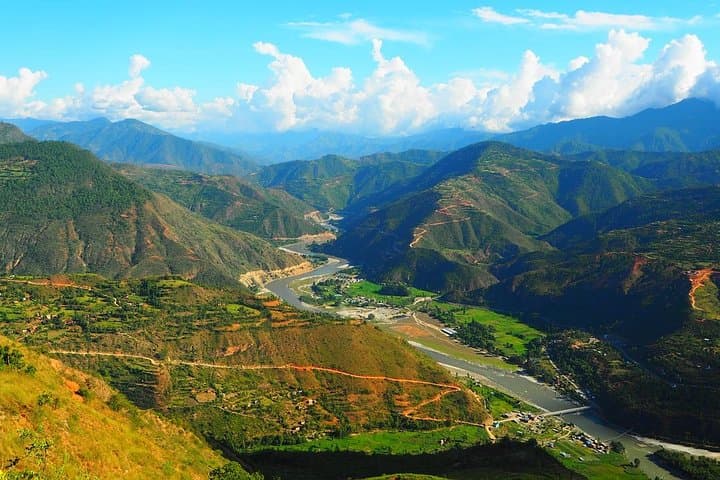
This short, classic Annapurna trek threads local Gurung villages and old mule tracks used for trade between valleys. Geologically the route skirts the southern flank of the Annapurna massif—sedimentary and metamorphic rock uplifted by the collision of the Indian and Eurasian plates—so views shift from polished peaks to stacked terraces and river gorges. Cultural stops in Ghorepani and Ghandruk reveal daily life: stone houses, prayer flags, and community teahouses where local guides share stories of seasonal transhumance.
Practical guidance: expect 4–6 hours walking on most days with stair-like stone steps and compact dirt trails; elevation gain is gradual but you’ll top out at roughly 3,200 m at Poon Hill for sunrise. Stay hydrated (carry 2–3 L), layer for early-morning cold, and use sturdy ankle-supporting boots—the trail can be slippery after rain. Start pre-sunrise for the summit moment; reserve extra time for acclimatization and allow for short, frequent breaks. Porters are commonly provided to carry larger bags; bring cash for teahouses and local tips.
This itinerary is reachable for steady walkers who prepare modestly, and rewards effort with panoramic Himalayan mornings and close-up cultural encounters.
moderate.
8–10 days.
Good cardiovascular fitness and comfortable walking 4–6 hours per day with some uneven, steep sections
Typical itineraries are 4–6 days of trekking for the Ghorepani section, but many tour operators offer 8–10 day packages including transfers and acclimatization.
No technical experience is required, but you should be comfortable walking several hours a day over uneven ground and ascending/descending stone steps.
Poon Hill reaches around 3,200 m; mild symptoms are possible—allow for gradual ascent, stay hydrated, and communicate with your guide if symptoms appear.
Basic mountain teahouses with private or shared rooms and shared toilets; full board during trekking typically includes local Nepali meals (dal, rice, vegetables).
The trail follows ancient trade and shepherding routes used by Gurung communities; villages acted as seasonal stops for salt and grain caravans.
This trek lies inside the Annapurna Conservation Area Project; practice Leave No Trace, carry out waste, and support community-run teahouses to benefit local conservation.
Himalaya Holiday service Pvt. Ltd.(HHS) operates guided outdoor trips and adventures with an emphasis on safety, stewardship, and memorable experiences.
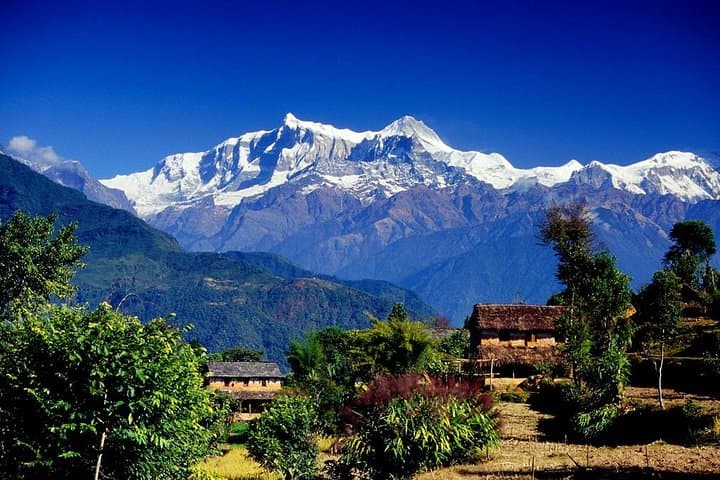
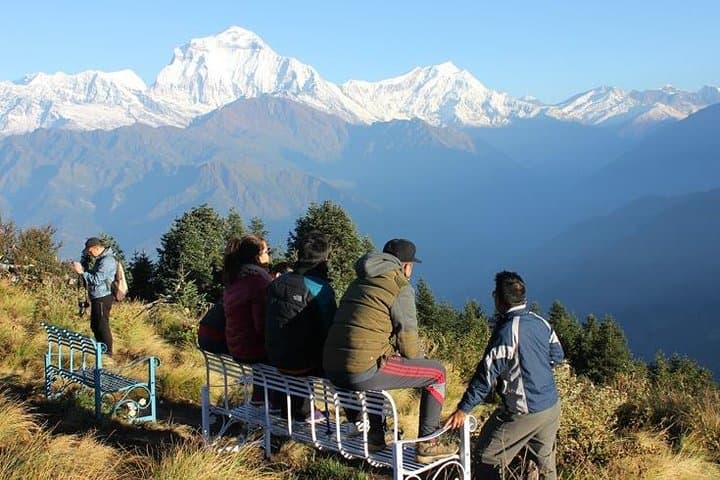
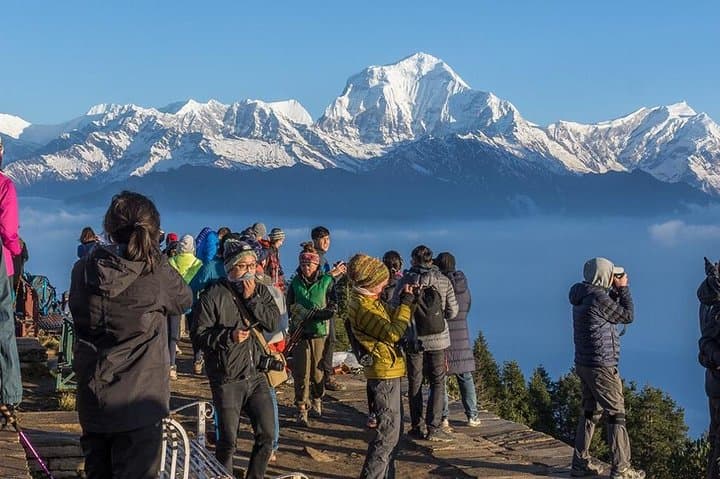
You step out of Pokhara before dawn and the bus drops you where the terraced fields begin to climb. The trail rises quickly through rhododendron and oak, the forest breathing cool, loamy air; at night the mountains seem to press forward, daring you to keep pace. By sunrise the Annapurna range lights like white cliffs, Machapuchare’s peak slicing the sky.
You step out of Pokhara before dawn and the bus drops you where the terraced fields begin to climb. The trail rises quickly through rhododendron and oak, the forest breathing cool, loamy air; at night the mountains seem to press forward, daring you to keep pace. By sunrise the Annapurna range lights like white cliffs, Machapuchare’s peak slicing the sky.
This short, classic Annapurna trek threads local Gurung villages and old mule tracks used for trade between valleys. Geologically the route skirts the southern flank of the Annapurna massif—sedimentary and metamorphic rock uplifted by the collision of the Indian and Eurasian plates—so views shift from polished peaks to stacked terraces and river gorges. Cultural stops in Ghorepani and Ghandruk reveal daily life: stone houses, prayer flags, and community teahouses where local guides share stories of seasonal transhumance.
Practical guidance: expect 4–6 hours walking on most days with stair-like stone steps and compact dirt trails; elevation gain is gradual but you’ll top out at roughly 3,200 m at Poon Hill for sunrise. Stay hydrated (carry 2–3 L), layer for early-morning cold, and use sturdy ankle-supporting boots—the trail can be slippery after rain. Start pre-sunrise for the summit moment; reserve extra time for acclimatization and allow for short, frequent breaks. Porters are commonly provided to carry larger bags; bring cash for teahouses and local tips.
This itinerary is reachable for steady walkers who prepare modestly, and rewards effort with panoramic Himalayan mornings and close-up cultural encounters.