THE ADVENTURE COLLECTIVE® · Independent discovery and booking for outdoor travel

Ride the lift through the hollow core of Ponte Tower to a 51st‑floor viewpoint that frames Johannesburg’s layered urban story. This accessible, hour‑long guided visit combines brutalist architecture with local history and practical tips for visiting safely.
Ride the lift through the hollow core of Ponte Tower to a 51st‑floor viewpoint that frames Johannesburg’s layered urban story. This accessible, hour‑long guided visit combines brutalist architecture with local history and practical tips for visiting safely.
You step into a lobby whose concrete face has watched Johannesburg’s skyline shift for decades, then ride a lift that climbs through the hollow heart of Ponte Tower to a 51st‑floor vantage where the city opens like a worn map.
Verified experiences and guided adventures in the surrounding area.
Operated by Dlala Nje · Johannesburg, Gauteng
You step into a lobby whose concrete face has watched Johannesburg’s skyline shift for decades, then ride a lift that climbs through the hollow heart of Ponte Tower to a 51st‑floor vantage where the city opens like a worn map.
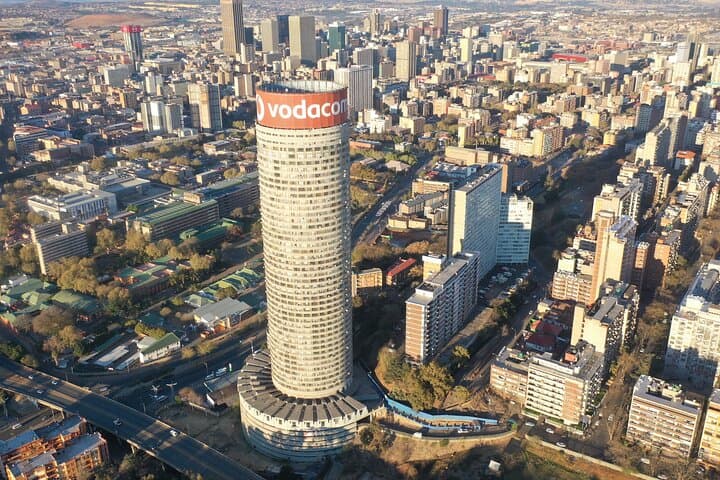
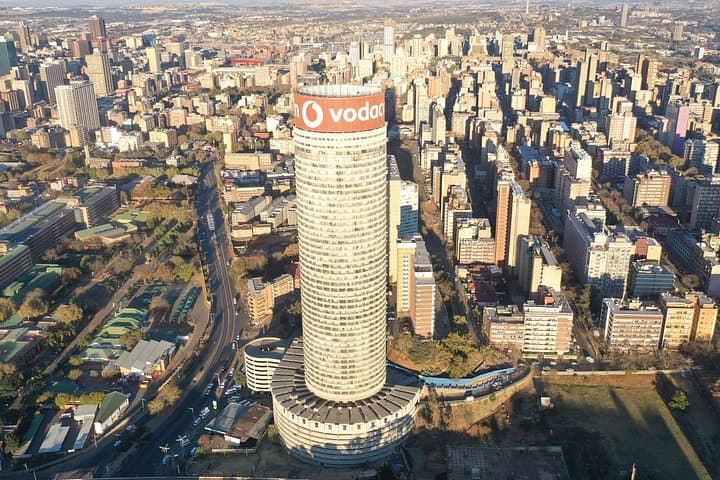
Completed in the mid‑1970s, Ponte Tower held the title of Africa’s tallest residential building for decades. Its cylindrical, brutalist form—born of modernist ambition and later entangled with apartheid‑era urban change—now reads as both architectural curiosity and living neighborhood. The tower’s hollow core funnels wind and light; standing at the rim you can feel the draft as if the building itself exhales toward the city.
Beyond architecture, the area around Berea and Hillbrow holds layered histories: migration, decline, and pockets of revitalization. Local culture is visible on the streets below—informal vendors, music from nearby flats, and a shifting skyline where new developments meet older blocks.
Practical guidance: the experience is a guided, 60‑minute visit with elevator access and clear accessibility provisions; bring photo ID for check‑in. The best light is late afternoon when shadows dramatize the tower’s ribs and the city takes on warmer tones. Security is present and guides emphasize respect for residents—ask before photographing private spaces. Weather rarely closes access, but strong winds can affect comfort on the upper level; dress in layers.
For travelers curious about Johannesburg’s urban story, the Ponte Experience pairs a compact, accessible observation with a grounded lesson in architecture, social history, and contemporary city life.
easy.
1 hour.
Minimal physical exertion; suitable for most fitness levels and those using wheelchairs with assistance where needed
The Ponte Experience is a 60‑minute guided tour focused on the tower’s architecture and views.
Yes—Ponte Experience lists wheelchair and stroller accessibility with lift access to the viewing level.
The tour is physically easy but not recommended for pregnant travelers or those with serious heart conditions; check booking requirements for age verification.
Tickets are typically instant confirmation; booking ahead is advised, especially for weekends and late‑afternoon slots.
Built in the mid‑1970s, Ponte Tower was Africa’s tallest residential building for decades and has since embodied Johannesburg’s social and architectural transformations.
Tours emphasize respectful behavior toward residents and local businesses; avoid trespassing, support nearby vendors, and follow guides’ directions to reduce disturbance.
Dlala Nje operates guided outdoor trips and adventures with an emphasis on safety, stewardship, and memorable experiences.
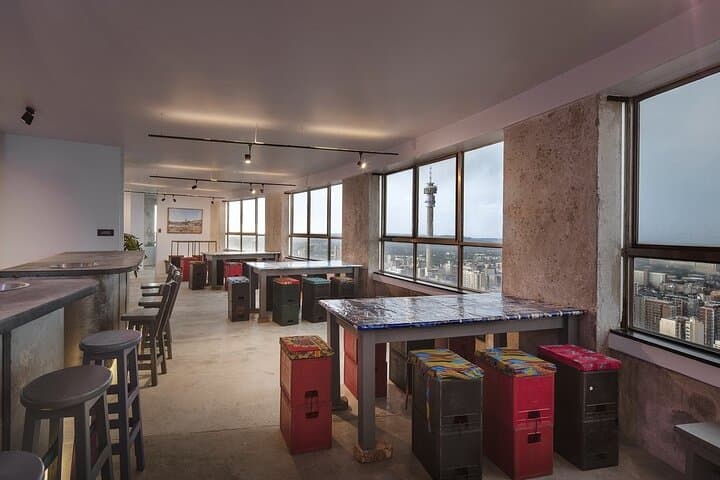
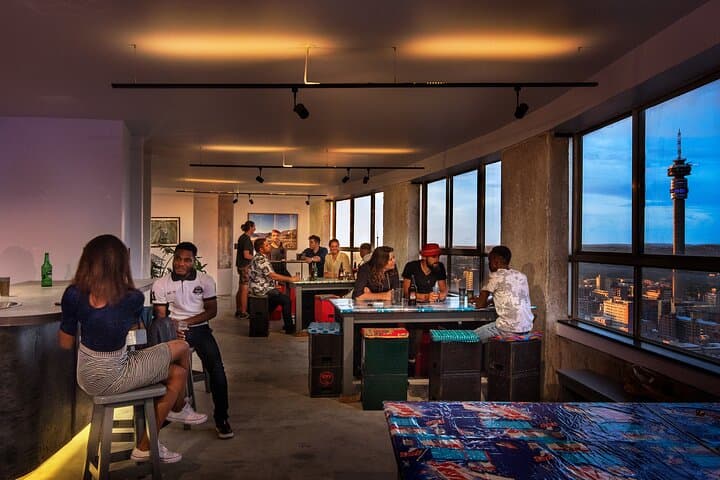
You step into a lobby whose concrete face has watched Johannesburg’s skyline shift for decades, then ride a lift that climbs through the hollow heart of Ponte Tower to a 51st‑floor vantage where the city opens like a worn map.
You step into a lobby whose concrete face has watched Johannesburg’s skyline shift for decades, then ride a lift that climbs through the hollow heart of Ponte Tower to a 51st‑floor vantage where the city opens like a worn map.
Completed in the mid‑1970s, Ponte Tower held the title of Africa’s tallest residential building for decades. Its cylindrical, brutalist form—born of modernist ambition and later entangled with apartheid‑era urban change—now reads as both architectural curiosity and living neighborhood. The tower’s hollow core funnels wind and light; standing at the rim you can feel the draft as if the building itself exhales toward the city.
Beyond architecture, the area around Berea and Hillbrow holds layered histories: migration, decline, and pockets of revitalization. Local culture is visible on the streets below—informal vendors, music from nearby flats, and a shifting skyline where new developments meet older blocks.
Practical guidance: the experience is a guided, 60‑minute visit with elevator access and clear accessibility provisions; bring photo ID for check‑in. The best light is late afternoon when shadows dramatize the tower’s ribs and the city takes on warmer tones. Security is present and guides emphasize respect for residents—ask before photographing private spaces. Weather rarely closes access, but strong winds can affect comfort on the upper level; dress in layers.
For travelers curious about Johannesburg’s urban story, the Ponte Experience pairs a compact, accessible observation with a grounded lesson in architecture, social history, and contemporary city life.