THE ADVENTURE COLLECTIVE® · Independent discovery and booking for outdoor travel

A combined speedboat and trek that drops you into a working caiçara village and a waterfall that meets the sea. Expect a one-hour boat ride, a moderately difficult forest trail, and cash-only village lunches.
A combined speedboat and trek that drops you into a working caiçara village and a waterfall that meets the sea. Expect a one-hour boat ride, a moderately difficult forest trail, and cash-only village lunches.
The day begins with the motor’s steady thrum at Paraty pier as a speedboat pulls away from town, slicing the glossy bay toward a fringe of green that seems to drop straight into the sea. On approach Ponta Negra reveals itself: a small caiçara community, a ribbon of beach, and the wooded slope where the trail to Cachoeira do Saco Bravo climbs.
Verified experiences and guided adventures in the surrounding area.
Operated by Paraty Tours · Paraty, Rio de Janeiro
The day begins with the motor’s steady thrum at Paraty pier as a speedboat pulls away from town, slicing the glossy bay toward a fringe of green that seems to drop straight into the sea. On approach Ponta Negra reveals itself: a small caiçara community, a ribbon of beach, and the wooded slope where the trail to Cachoeira do Saco Bravo climbs.
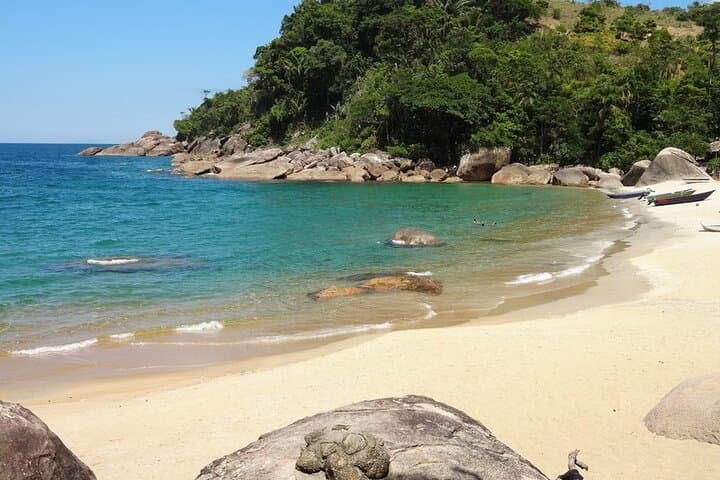
This stretch of coast sits inside the Atlantic Forest biome — steep, humid ridges worn by rivers that still cut clean channels to the ocean. The caiçara people who live here combine fishing and small-scale agriculture; their houses and local restaurants reflect generations of coastal life and Portuguese-Brazilian influences. Geologically the coast is granite and schist, with rocky headlands that frame calm bays and fast-flowing streams that become waterfalls after rain.
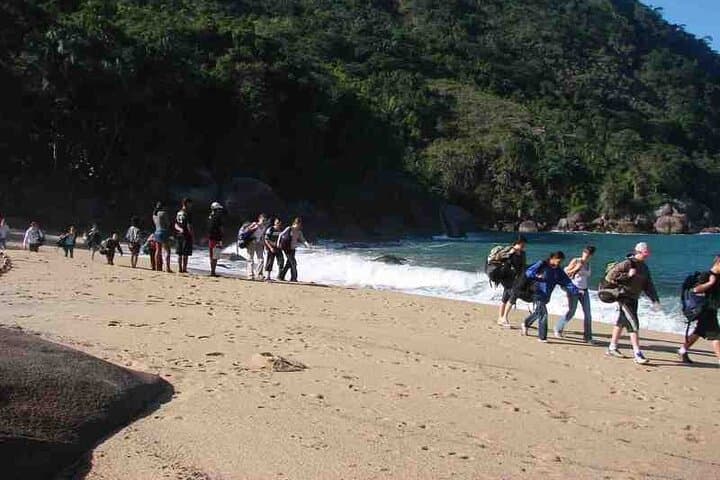
The outing mixes a one-hour speedboat transfer, roughly two hours of hiking each way on a moderately difficult, sometimes steep forest trail, and free time for a seawater swim beneath the waterfall. The fall itself pours into a shallow tidal pool, offering a rare place where river and sea meet.
Practical notes: wear sturdy shoes with good traction, bring at least 1.5 liters of water, reef-safe sunscreen and insect repellent, and cash for lunch — village eateries may be cash-only. Travelers should be prepared for uneven, occasionally muddy terrain and variable weather; the tour’s minimum age is 12 and it’s not recommended for people with serious back or heart conditions. Timing your visit outside heavy rains reduces trail slipperiness and maximizes beach time.
moderate.
7 hours.
Participants should have good cardiovascular fitness and be comfortable hiking 2–3 hours on uneven terrain; ability to step over roots and short steep sections required.
The speedboat transfer takes approximately one hour and offers coastal views; conditions may extend travel time in rough seas.
The trail is rated moderately difficult: expect uneven footing, short steep sections and about two hours of hiking each way depending on pace.
Yes — there is a tidal pool where the waterfall meets the sea; check local conditions and follow the guide’s safety advice before entering the water.
Lunch is optional and typically available at a local caiçara restaurant; it is usually cash-only, so bring small bills.
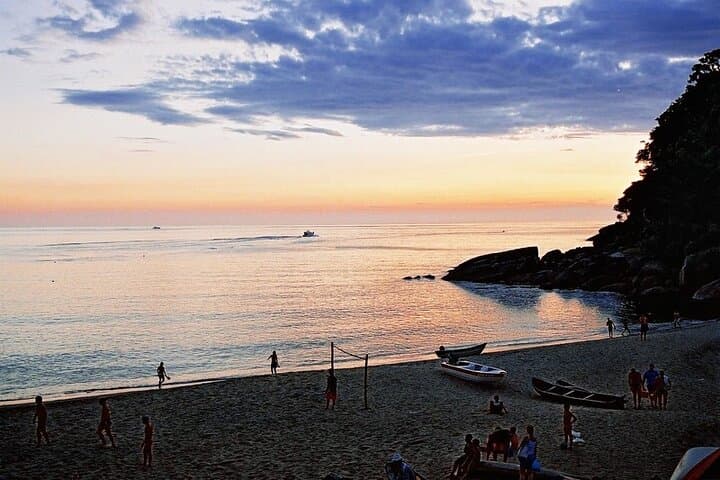
Ponta Negra is a traditional caiçara settlement—communities formed through Indigenous, African and Portuguese influence along Brazil’s coast, surviving by fishing and small-scale farming.
The area sits within the Atlantic Forest mosaic; visitors should stick to trails, avoid single-use plastic and respect local fishing practices to minimize impact.
Paraty Tours operates guided outdoor trips and adventures with an emphasis on safety, stewardship, and memorable experiences.
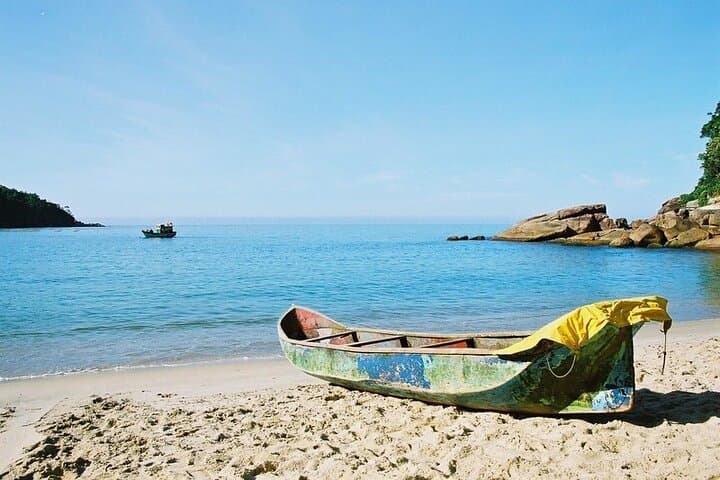
The day begins with the motor’s steady thrum at Paraty pier as a speedboat pulls away from town, slicing the glossy bay toward a fringe of green that seems to drop straight into the sea. On approach Ponta Negra reveals itself: a small caiçara community, a ribbon of beach, and the wooded slope where the trail to Cachoeira do Saco Bravo climbs.
The day begins with the motor’s steady thrum at Paraty pier as a speedboat pulls away from town, slicing the glossy bay toward a fringe of green that seems to drop straight into the sea. On approach Ponta Negra reveals itself: a small caiçara community, a ribbon of beach, and the wooded slope where the trail to Cachoeira do Saco Bravo climbs.
This stretch of coast sits inside the Atlantic Forest biome — steep, humid ridges worn by rivers that still cut clean channels to the ocean. The caiçara people who live here combine fishing and small-scale agriculture; their houses and local restaurants reflect generations of coastal life and Portuguese-Brazilian influences. Geologically the coast is granite and schist, with rocky headlands that frame calm bays and fast-flowing streams that become waterfalls after rain.
The outing mixes a one-hour speedboat transfer, roughly two hours of hiking each way on a moderately difficult, sometimes steep forest trail, and free time for a seawater swim beneath the waterfall. The fall itself pours into a shallow tidal pool, offering a rare place where river and sea meet.
Practical notes: wear sturdy shoes with good traction, bring at least 1.5 liters of water, reef-safe sunscreen and insect repellent, and cash for lunch — village eateries may be cash-only. Travelers should be prepared for uneven, occasionally muddy terrain and variable weather; the tour’s minimum age is 12 and it’s not recommended for people with serious back or heart conditions. Timing your visit outside heavy rains reduces trail slipperiness and maximizes beach time.