THE ADVENTURE COLLECTIVE® · Independent discovery and booking for outdoor travel

Head to Madeira’s easternmost point for a raw coastal hike where basalt cliffs, relentless wind and wide Atlantic views define every step. This half-day PR8 walk is short on trees but rich in geology, birds and wide seascapes.
Head to Madeira’s easternmost point for a raw coastal hike where basalt cliffs, relentless wind and wide Atlantic views define every step. This half-day PR8 walk is short on trees but rich in geology, birds and wide seascapes.
A salt-lashed wind meets you the moment the minivan pulls up and the island falls away to ocean on both sides. The trailhead at the eastern tip of Madeira opens onto a scapegoat landscape: wind-sculpted volcanic rock, low scrub, and a horizon that feels stacked in layers of blue. Steps and narrow paths cut the ridge; each crest hands you a new angle on the Atlantic and the arid cliffs below.
Verified experiences and guided adventures in the surrounding area.
Operated by Madeira Adventure Kingdom · Funchal, Madeira
A salt-lashed wind meets you the moment the minivan pulls up and the island falls away to ocean on both sides. The trailhead at the eastern tip of Madeira opens onto a scapegoat landscape: wind-sculpted volcanic rock, low scrub, and a horizon that feels stacked in layers of blue. Steps and narrow paths cut the ridge; each crest hands you a new angle on the Atlantic and the arid cliffs below.
The headland is the island’s oldest visible volcanic terrain, worn into sharp escarpments by millennia of sea and storm. Historically this promontory guided sailors and, in more recent centuries, supported small-scale fishing and seasonal foraging. The reserve’s endemic plants—low bushes and hardy succulents—claim the thin soil and give the landscape its ochre and rust tones.
Expect roughly an 8 km round-trip, about 3–3.5 hours of walking, and modest cumulative elevation (≈150 m), mostly on exposed, rocky trail. The terrain alternates packed dirt, sandstone-like lava rock, and short stair sections; wind is often the dominant factor, pushing and prodding your pace.
Practical guide: start early to avoid midday sun and gusts, bring 1.5–2 L of water, a windproof layer, sun protection, and shoes with good traction. Guides point out the Casa do Sardinha viewpoint as a natural rest stop and briefings often cover local geology and birdlife. The hike is straightforward but requires moderate fitness and solid footing—trail safety hinges on footwear and weather awareness. Leave no trace and follow the marked path: the reserve is fragile, and staying on trail protects endemic plants and nesting seabirds.
moderate.
3–4 hours.
Suitable for hikers with moderate fitness able to walk several kilometers on uneven, exposed terrain.
The typical guided route is about 8 km round-trip and takes roughly 3–3.5 hours depending on pace and stops.
People with reasonable mobility can do the hike, but it requires steady footing and some endurance—not recommended for very young children or those with serious mobility issues.
Dogs are generally discouraged in protected reserves to protect nesting birds and fragile plants; check local rules before bringing a pet.
Many tours include roundtrip transport from central Funchal or nearby pickup points; confirm pickup details when booking.
Ponta de São Lourenço served as a landmark for early navigators and reflects Madeira’s volcanic origins; human activity historically focused on small-scale fishing and seasonal use.
The area is a protected nature reserve with fragile endemic vegetation and nesting seabirds—stay on marked paths, pack out waste, and avoid disturbing wildlife.
Madeira Adventure Kingdom operates guided outdoor trips and adventures with an emphasis on safety, stewardship, and memorable experiences.
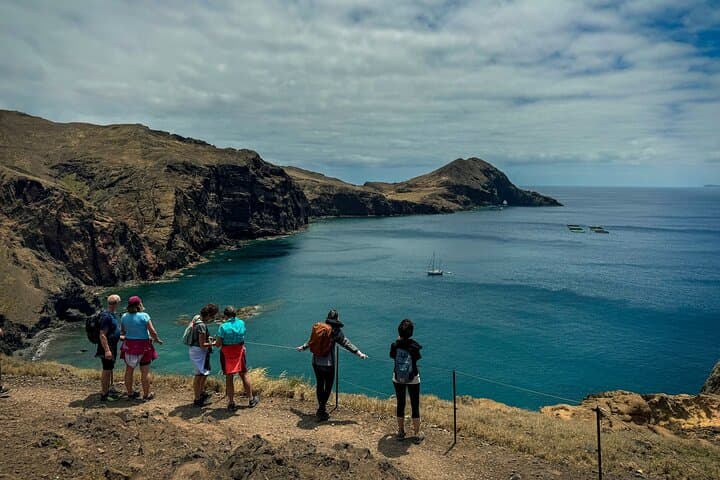
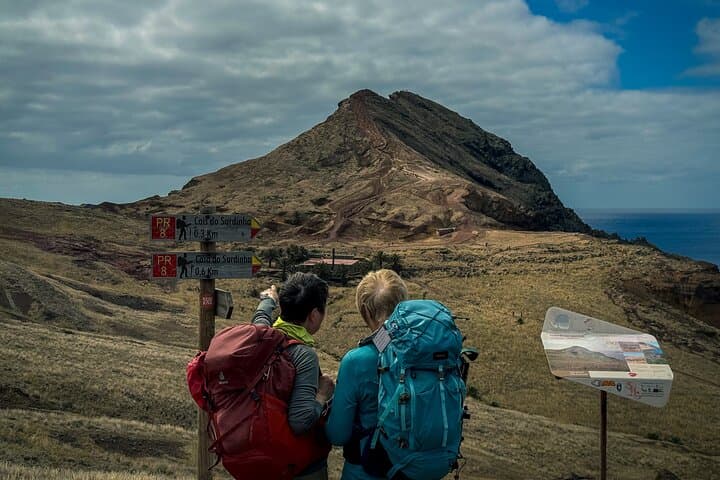
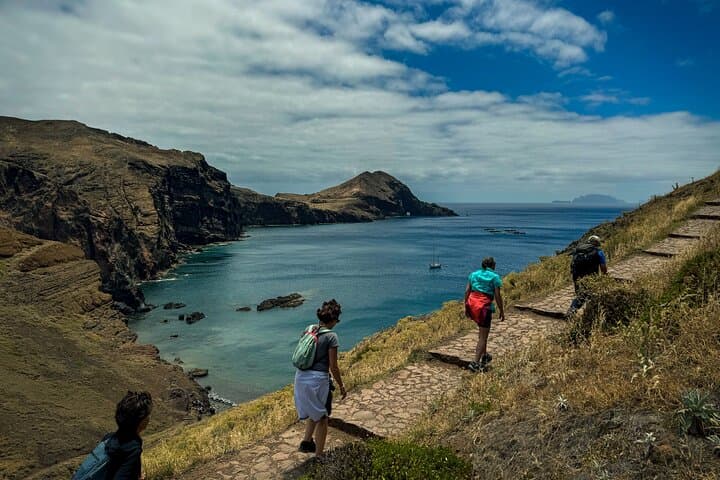
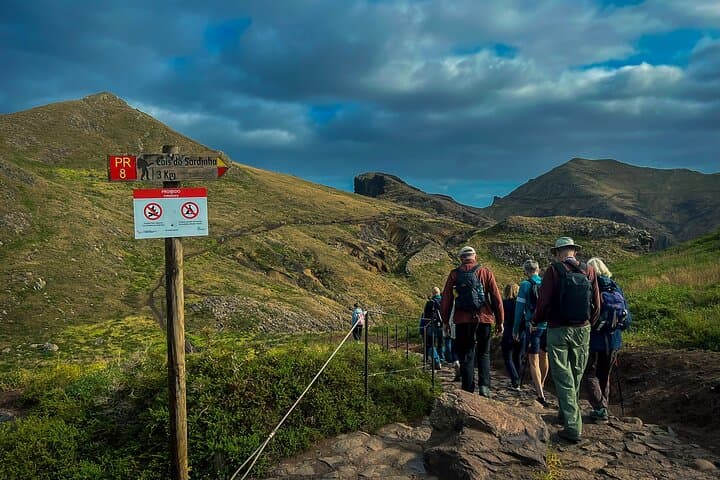
A salt-lashed wind meets you the moment the minivan pulls up and the island falls away to ocean on both sides. The trailhead at the eastern tip of Madeira opens onto a scapegoat landscape: wind-sculpted volcanic rock, low scrub, and a horizon that feels stacked in layers of blue. Steps and narrow paths cut the ridge; each crest hands you a new angle on the Atlantic and the arid cliffs below.
A salt-lashed wind meets you the moment the minivan pulls up and the island falls away to ocean on both sides. The trailhead at the eastern tip of Madeira opens onto a scapegoat landscape: wind-sculpted volcanic rock, low scrub, and a horizon that feels stacked in layers of blue. Steps and narrow paths cut the ridge; each crest hands you a new angle on the Atlantic and the arid cliffs below.
The headland is the island’s oldest visible volcanic terrain, worn into sharp escarpments by millennia of sea and storm. Historically this promontory guided sailors and, in more recent centuries, supported small-scale fishing and seasonal foraging. The reserve’s endemic plants—low bushes and hardy succulents—claim the thin soil and give the landscape its ochre and rust tones.
Expect roughly an 8 km round-trip, about 3–3.5 hours of walking, and modest cumulative elevation (≈150 m), mostly on exposed, rocky trail. The terrain alternates packed dirt, sandstone-like lava rock, and short stair sections; wind is often the dominant factor, pushing and prodding your pace.
Practical guide: start early to avoid midday sun and gusts, bring 1.5–2 L of water, a windproof layer, sun protection, and shoes with good traction. Guides point out the Casa do Sardinha viewpoint as a natural rest stop and briefings often cover local geology and birdlife. The hike is straightforward but requires moderate fitness and solid footing—trail safety hinges on footwear and weather awareness. Leave no trace and follow the marked path: the reserve is fragile, and staying on trail protects endemic plants and nesting seabirds.