THE ADVENTURE COLLECTIVE® · Independent discovery and booking for outdoor travel

Sail a traditional dhow from Pongwe beach to nearby coral bommies for relaxed snorkeling among turtles, reef fish and occasional dolphins. This half-day eco-friendly outing pairs long swims with fresh island fruit and knowledgeable local crews.
Sail a traditional dhow from Pongwe beach to nearby coral bommies for relaxed snorkeling among turtles, reef fish and occasional dolphins. This half-day eco-friendly outing pairs long swims with fresh island fruit and knowledgeable local crews.
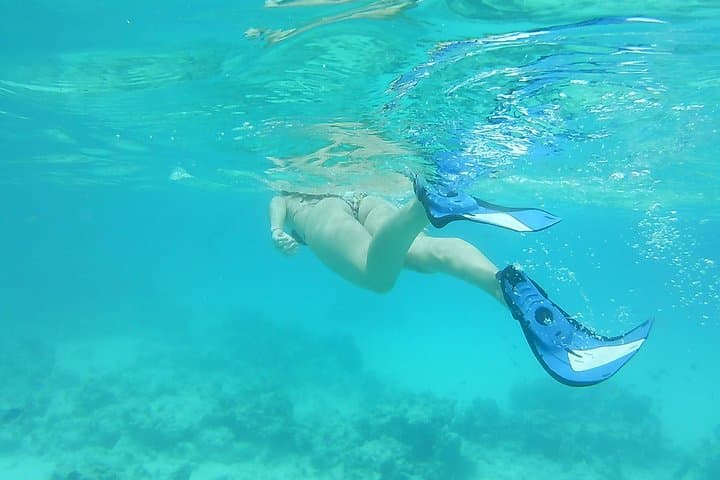
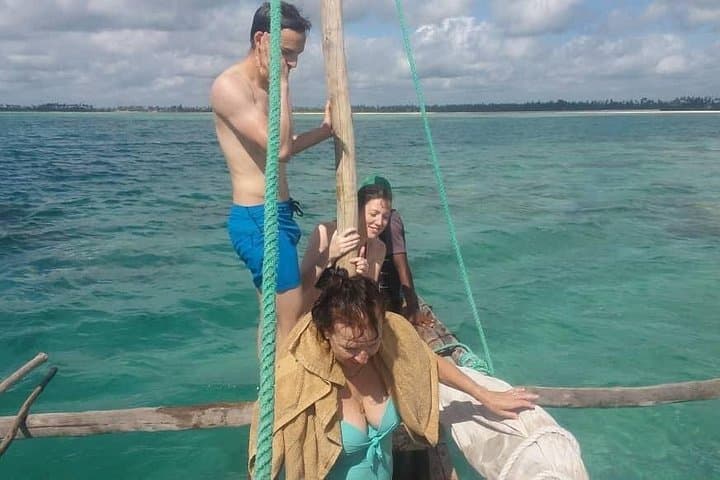
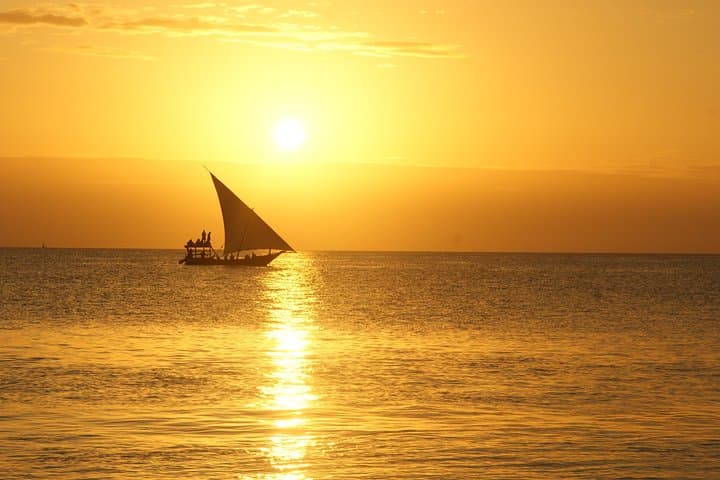
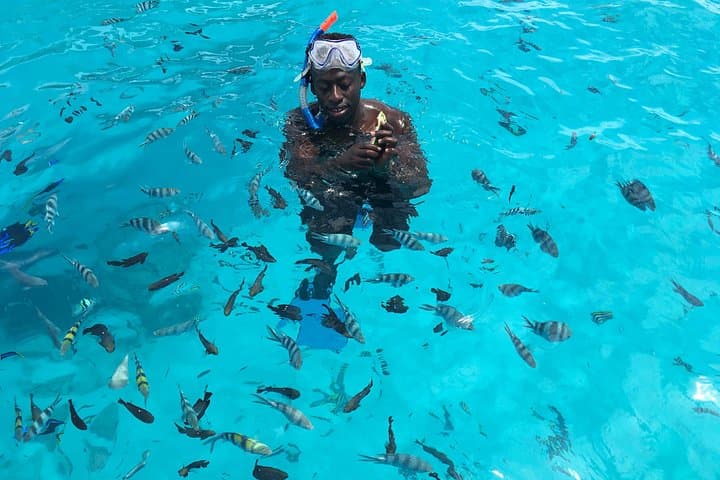
The dhow slips from the low, sandy beach and the shore folds away—palm trunks leaning like old oars, turquoise water bright as glass. You feel the hull's steady rhythm as the crew steers toward the shallow coral gardens off Pongwe Bay. When the anchor drops, the ocean opens: coral bommies rise beneath the surface, colorful reef fish scatter like confetti, and the occasional turtle surfaces to breathe.
Verified experiences and guided adventures in the surrounding area.
Operated by Pongwe Tour & Safari · Pongwe, Zanzibar
The dhow slips from the low, sandy beach and the shore folds away—palm trunks leaning like old oars, turquoise water bright as glass. You feel the hull's steady rhythm as the crew steers toward the shallow coral gardens off Pongwe Bay. When the anchor drops, the ocean opens: coral bommies rise beneath the surface, colorful reef fish scatter like confetti, and the occasional turtle surfaces to breathe.
The east coast of Unguja (Zanzibar Island) is shaped by coral growth on a limestone base formed over millennia; local dhow-building and fishing are part of a centuries-old Swahili maritime culture. Pongwe's reef is a living structure—fragile, biodiverse and fed by warm Indian Ocean currents that also draw dolphins and migratory visitors.
Practically, this is a relaxed half-day outing. Boats are traditional wooden dhows, crews provide snorkel gear and fresh island fruit, and the pace is unhurried—designed for extended snorkeling around shallow bommies. Visibility is typically good in calm weather, and guides point out turtles, parrotfish, and colorful wrasse. Respect for the reef is emphasized: no standing on coral and use reef-safe sunscreen.
Plan for mid-morning or late afternoon departures to avoid the strongest sun and choppier seas. Bring a rashguard, reef-safe sunscreen, and a light towel; even easy trips benefit from basic sea-smarts—secure belongings, listen to the crew, and surface slowly after dives. For travelers seeking approachable marine wildlife, Pongwe offers an intimate, low-impact glimpse into Zanzibar’s underwater life with the gentle motion of traditional sailing and enough time in the water to make it count.
easy.
2–3 hours.
Suitable for most fitness levels; participants should be comfortable in open water and able to swim short distances.
The activity is about 2.5 hours (150 minutes) door-to-door on the water, including transit, snorkeling time and a short refreshment break.
Yes—basic snorkel masks, fins and snorkels are provided by the operator as part of the tour.
Yes—this trip is rated easy and suitable for novices; guides remain nearby and flotation aids are usually available.
Most operators offer pickup from Stone Town or nearby accommodation—confirm your pickup point when booking and expect a short transfer to the east‑coast launch site.
Pongwe’s coast is part of Zanzibar’s Swahili maritime heritage; local dhows and reef fishing trace techniques used for centuries along the Indian Ocean trade routes.
Operators promote low‑impact visits—avoid touching coral, use reef‑safe products, and follow crew guidance to minimize disturbance to marine life.
Pongwe Tour & Safari operates guided outdoor trips and adventures with an emphasis on safety, stewardship, and memorable experiences.
The dhow slips from the low, sandy beach and the shore folds away—palm trunks leaning like old oars, turquoise water bright as glass. You feel the hull's steady rhythm as the crew steers toward the shallow coral gardens off Pongwe Bay. When the anchor drops, the ocean opens: coral bommies rise beneath the surface, colorful reef fish scatter like confetti, and the occasional turtle surfaces to breathe.
The dhow slips from the low, sandy beach and the shore folds away—palm trunks leaning like old oars, turquoise water bright as glass. You feel the hull's steady rhythm as the crew steers toward the shallow coral gardens off Pongwe Bay. When the anchor drops, the ocean opens: coral bommies rise beneath the surface, colorful reef fish scatter like confetti, and the occasional turtle surfaces to breathe.
The east coast of Unguja (Zanzibar Island) is shaped by coral growth on a limestone base formed over millennia; local dhow-building and fishing are part of a centuries-old Swahili maritime culture. Pongwe's reef is a living structure—fragile, biodiverse and fed by warm Indian Ocean currents that also draw dolphins and migratory visitors.
Practically, this is a relaxed half-day outing. Boats are traditional wooden dhows, crews provide snorkel gear and fresh island fruit, and the pace is unhurried—designed for extended snorkeling around shallow bommies. Visibility is typically good in calm weather, and guides point out turtles, parrotfish, and colorful wrasse. Respect for the reef is emphasized: no standing on coral and use reef-safe sunscreen.
Plan for mid-morning or late afternoon departures to avoid the strongest sun and choppier seas. Bring a rashguard, reef-safe sunscreen, and a light towel; even easy trips benefit from basic sea-smarts—secure belongings, listen to the crew, and surface slowly after dives. For travelers seeking approachable marine wildlife, Pongwe offers an intimate, low-impact glimpse into Zanzibar’s underwater life with the gentle motion of traditional sailing and enough time in the water to make it count.