THE ADVENTURE COLLECTIVE® · Independent discovery and booking for outdoor travel

Learn Bharatanatyam, Mohiniyattam or cinematic Bollywood moves in a compact 90‑minute session in Pondicherry’s White Town. Expect a blend of history, demonstration and a short recorded choreography you can keep.
Learn Bharatanatyam, Mohiniyattam or cinematic Bollywood moves in a compact 90‑minute session in Pondicherry’s White Town. Expect a blend of history, demonstration and a short recorded choreography you can keep.
You step through a low door in White Town and the rhythm takes the room—not loud, but pulsing underfoot like a tide pulling at the promenade. The studio smells faintly of incense and boiled tea; a group practices hand gestures while a teacher counts talas with crisp claps. This is Pondicherry: a coastal town where Tamil temple traditions meet colonial streets, and where an hour and a half can reshape the way you move.
Verified experiences and guided adventures in the surrounding area.
Operated by Town Tales · Pondicherry, Puducherry
You step through a low door in White Town and the rhythm takes the room—not loud, but pulsing underfoot like a tide pulling at the promenade. The studio smells faintly of incense and boiled tea; a group practices hand gestures while a teacher counts talas with crisp claps. This is Pondicherry: a coastal town where Tamil temple traditions meet colonial streets, and where an hour and a half can reshape the way you move.
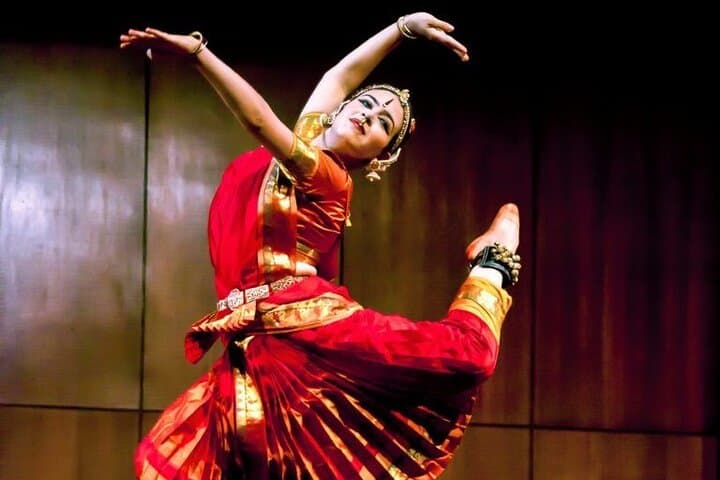
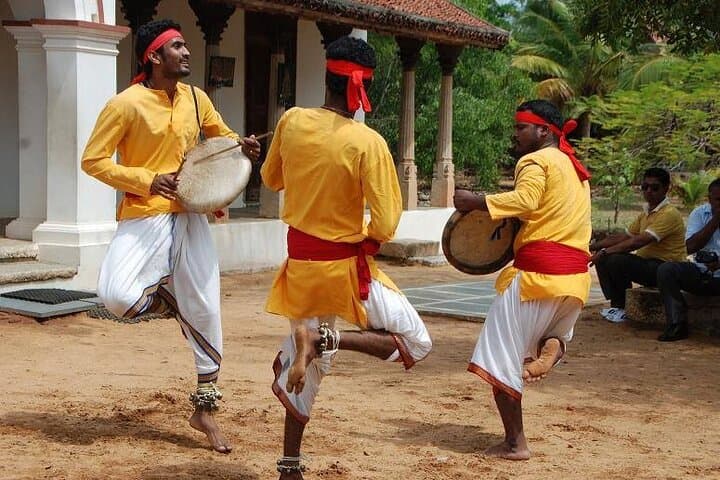
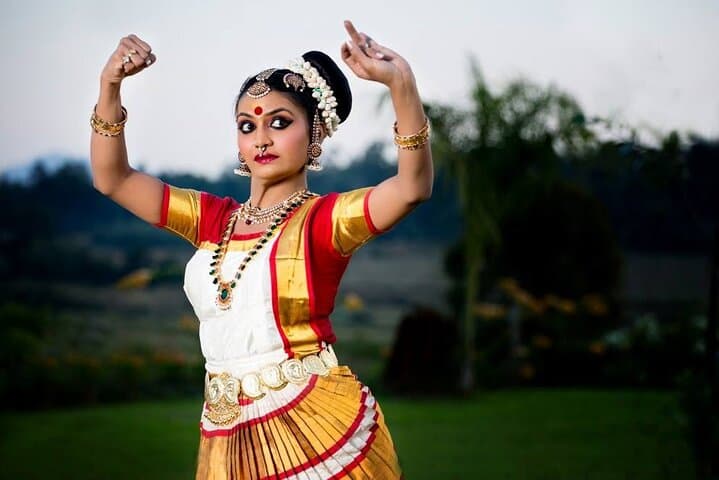
Classical forms like Bharatanatyam and Mohiniyattam carry centuries of temple ritual, codified footwork and storytelling; cinematic styles—Bollywood and Tamil kuthu—draw from film choreographies, immediate and playful. The city itself sits on a flat coastal plain of sand and alluvium, and its layered history—French colonial planning beside Tamil cultural life—shows in painted verandas and evening arati on the beach.
Expect a mix of lecture, demonstration and hands-on choreography: instructors will explain historical context, costume basics and simple rhythmic patterns, then give students a short routine to record. Performances by native artists are available for watchers, and children under seven may attend shows free of charge.
Practical edge: wear breathable, non-restrictive clothes and bring a water bottle; the studio is humid year-round. Arrive 10–15 minutes early to warm up and set your phone for recording if you want a souvenir. If you prefer to observe, ask about seating and front-row availability. Language is typically English and Tamil; instructors often adapt to mixed groups. Whether learning a mudra or clapping a tala, the session focuses on cultural connection as much as steps—support local artists, leave footwear outside, and take a quiet moment on the promenade afterwards to feel the music echo into the bay.
easy.
1–1.5 hours.
Light physical activity; suitable for beginners and families with basic mobility.
No—classes cater to beginners through advanced; instructors break down steps and offer simplified variations.
Yes—children can join most classes, but infants must sit on laps and kids under seven can watch shows free of charge.
Full refund available if cancelled at least 24 hours before the scheduled start; check booking for specifics.
Instruction is typically in English and Tamil; many teachers can adapt cues for mixed-language groups.
Pondicherry was a French colonial outpost alongside a long-standing Tamil cultural heartland; classical dance forms practiced here trace back to temple and court traditions in South India.
Support local performers and venues to sustain cultural heritage; minimize single-use plastics and respect studio rules about footwear and costumes.
Town Tales operates guided outdoor trips and adventures with an emphasis on safety, stewardship, and memorable experiences.
You step through a low door in White Town and the rhythm takes the room—not loud, but pulsing underfoot like a tide pulling at the promenade. The studio smells faintly of incense and boiled tea; a group practices hand gestures while a teacher counts talas with crisp claps. This is Pondicherry: a coastal town where Tamil temple traditions meet colonial streets, and where an hour and a half can reshape the way you move.
You step through a low door in White Town and the rhythm takes the room—not loud, but pulsing underfoot like a tide pulling at the promenade. The studio smells faintly of incense and boiled tea; a group practices hand gestures while a teacher counts talas with crisp claps. This is Pondicherry: a coastal town where Tamil temple traditions meet colonial streets, and where an hour and a half can reshape the way you move.
Classical forms like Bharatanatyam and Mohiniyattam carry centuries of temple ritual, codified footwork and storytelling; cinematic styles—Bollywood and Tamil kuthu—draw from film choreographies, immediate and playful. The city itself sits on a flat coastal plain of sand and alluvium, and its layered history—French colonial planning beside Tamil cultural life—shows in painted verandas and evening arati on the beach.
Expect a mix of lecture, demonstration and hands-on choreography: instructors will explain historical context, costume basics and simple rhythmic patterns, then give students a short routine to record. Performances by native artists are available for watchers, and children under seven may attend shows free of charge.
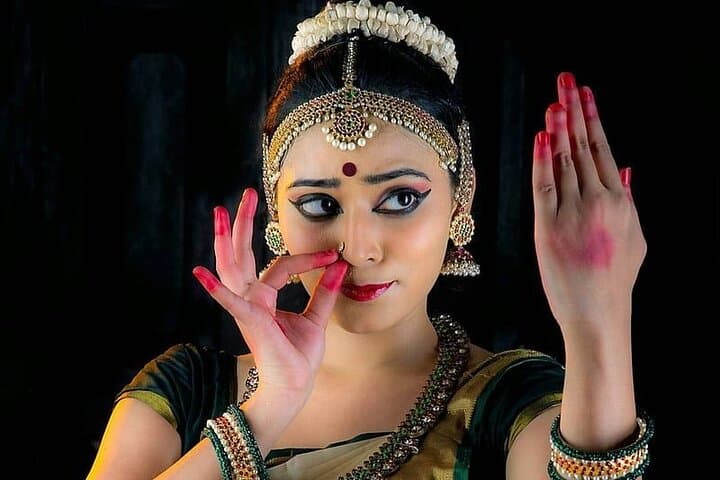
Practical edge: wear breathable, non-restrictive clothes and bring a water bottle; the studio is humid year-round. Arrive 10–15 minutes early to warm up and set your phone for recording if you want a souvenir. If you prefer to observe, ask about seating and front-row availability. Language is typically English and Tamil; instructors often adapt to mixed groups. Whether learning a mudra or clapping a tala, the session focuses on cultural connection as much as steps—support local artists, leave footwear outside, and take a quiet moment on the promenade afterwards to feel the music echo into the bay.