THE ADVENTURE COLLECTIVE® · Independent discovery and booking for outdoor travel

A single-day shore excursion that pairs a climb to Vesuvius’s crater with a guided tour of Pompeii and a volcanic-soil winery tasting. Expect short hikes, archaeological streets, and local wines.
A single-day shore excursion that pairs a climb to Vesuvius’s crater with a guided tour of Pompeii and a volcanic-soil winery tasting. Expect short hikes, archaeological streets, and local wines.
A salt wind from the Bay of Naples and the sharp silhouette of Vesuvius greet visitors as the day begins — drivers weave up coastal roads, and the city’s hum gives way to pine-scented slopes. Travelers step from the vehicle at the car park below the crater and take the final 300-meter climb to the rim, where the volcano’s dark throat opens and the bay stretches below like a living map.
Verified experiences and guided adventures in the surrounding area.
Operated by Amalfishorexcurtions · Pompeii, Campania
A salt wind from the Bay of Naples and the sharp silhouette of Vesuvius greet visitors as the day begins — drivers weave up coastal roads, and the city’s hum gives way to pine-scented slopes. Travelers step from the vehicle at the car park below the crater and take the final 300-meter climb to the rim, where the volcano’s dark throat opens and the bay stretches below like a living map.
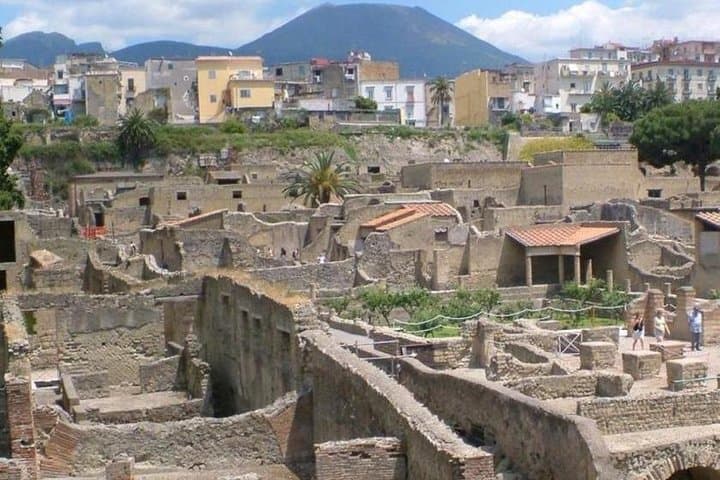
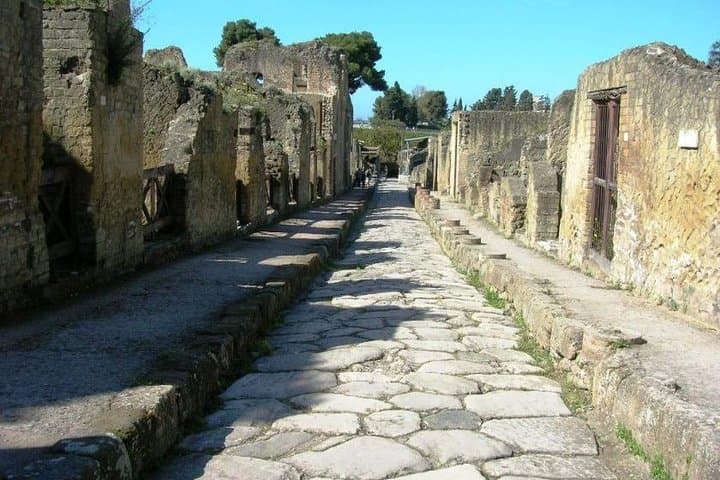
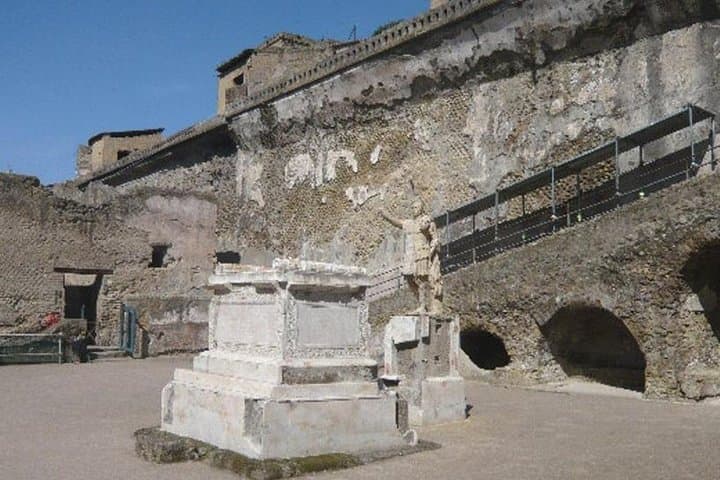
The route threads together layered history and geology: Pompeii’s streets froze in 79 AD when ash turned daily life into an archaeological record, while Vesuvius itself is a stratovolcano shaped by explosive eruptions and centuries of lava and ash. Local culture is palpable — families who have made wine on these volcanic soils for generations, recipes shaped by olives, tomatoes, and seafood.
After the crater visit, the tour shifts to a nearby winery. Guests ride an electric cart through terraced vineyards, learning how volcanic minerals influence grape flavor before sampling Aglianico and Falanghina and optional rustic lunches of local cheeses and cold cuts.
Practical guidance: the uphill walk to the crater takes roughly 30–60 minutes over loose volcanic gravel; sturdy shoes and a steady pace matter. Expect sun and wind at the rim even when the town below is calm. Time at Pompeii typically allows 90–120 minutes to see main highlights — bring a printed or digital map and a charged phone for photos. Hydration, layered clothing, and modest footwear will keep the day comfortable as geology, history, and food converge on this compact, unforgettable shore excursion.
moderate.
8 hours.
Suitable for travelers with average fitness able to walk 30–60 minutes on uneven ground and handle short climbs.
The final climb is roughly 300 vertical meters over volcanic scree and takes 30–60 minutes at a steady pace; it’s moderate rather than technical.
This tour typically includes guided vineyard access and tastings but not formal archaeological site admission — check the tour details for any site fees.
Vehicle transport and many winery areas are accessible, but the final crater path and much of Pompeii have uneven surfaces and are not wheelchair-friendly.
Yes — most wineries offer optional lunches of local products; book in advance if a sit-down meal is required.
Pompeii was buried under ash and pumice in 79 AD during a catastrophic eruption of Vesuvius, preserving streets, homes, and daily objects for modern study.
High visitor numbers stress fragile ruins and vineyard terraces; stick to designated paths, avoid touching artifacts, and support wineries that practice sustainable viticulture.
Amalfishorexcurtions operates guided outdoor trips and adventures with an emphasis on safety, stewardship, and memorable experiences.
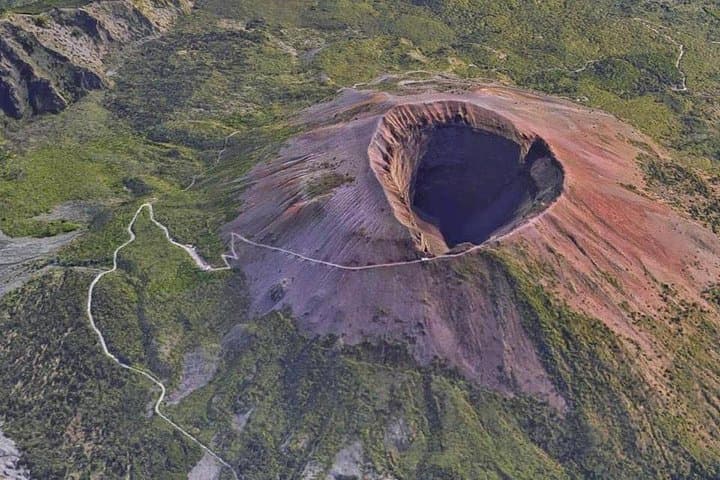
A salt wind from the Bay of Naples and the sharp silhouette of Vesuvius greet visitors as the day begins — drivers weave up coastal roads, and the city’s hum gives way to pine-scented slopes. Travelers step from the vehicle at the car park below the crater and take the final 300-meter climb to the rim, where the volcano’s dark throat opens and the bay stretches below like a living map.
A salt wind from the Bay of Naples and the sharp silhouette of Vesuvius greet visitors as the day begins — drivers weave up coastal roads, and the city’s hum gives way to pine-scented slopes. Travelers step from the vehicle at the car park below the crater and take the final 300-meter climb to the rim, where the volcano’s dark throat opens and the bay stretches below like a living map.
The route threads together layered history and geology: Pompeii’s streets froze in 79 AD when ash turned daily life into an archaeological record, while Vesuvius itself is a stratovolcano shaped by explosive eruptions and centuries of lava and ash. Local culture is palpable — families who have made wine on these volcanic soils for generations, recipes shaped by olives, tomatoes, and seafood.
After the crater visit, the tour shifts to a nearby winery. Guests ride an electric cart through terraced vineyards, learning how volcanic minerals influence grape flavor before sampling Aglianico and Falanghina and optional rustic lunches of local cheeses and cold cuts.
Practical guidance: the uphill walk to the crater takes roughly 30–60 minutes over loose volcanic gravel; sturdy shoes and a steady pace matter. Expect sun and wind at the rim even when the town below is calm. Time at Pompeii typically allows 90–120 minutes to see main highlights — bring a printed or digital map and a charged phone for photos. Hydration, layered clothing, and modest footwear will keep the day comfortable as geology, history, and food converge on this compact, unforgettable shore excursion.