THE ADVENTURE COLLECTIVE® · Independent discovery and booking for outdoor travel

Explore two Roman cities frozen by Vesuvius and hike to the volcano’s crater in one well-paced day. This private tour from Naples combines archaeology, a short crater trek, and door‑to‑door transport.
Explore two Roman cities frozen by Vesuvius and hike to the volcano’s crater in one well-paced day. This private tour from Naples combines archaeology, a short crater trek, and door‑to‑door transport.
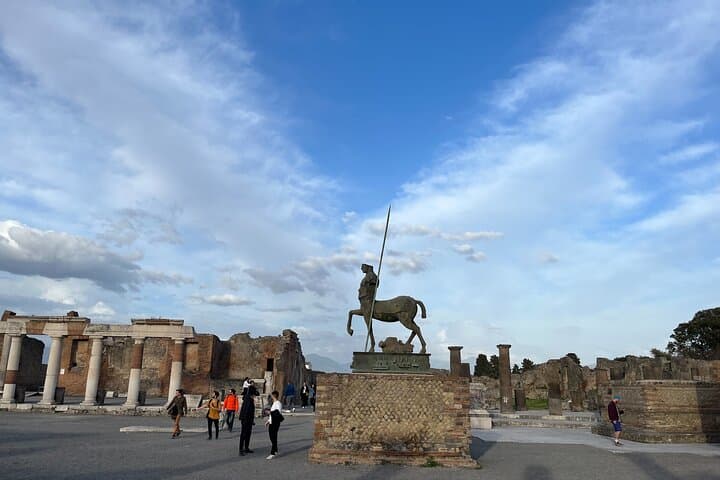
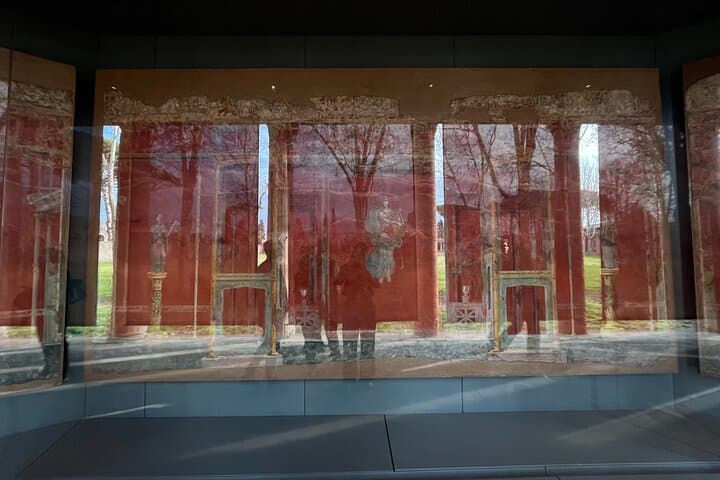
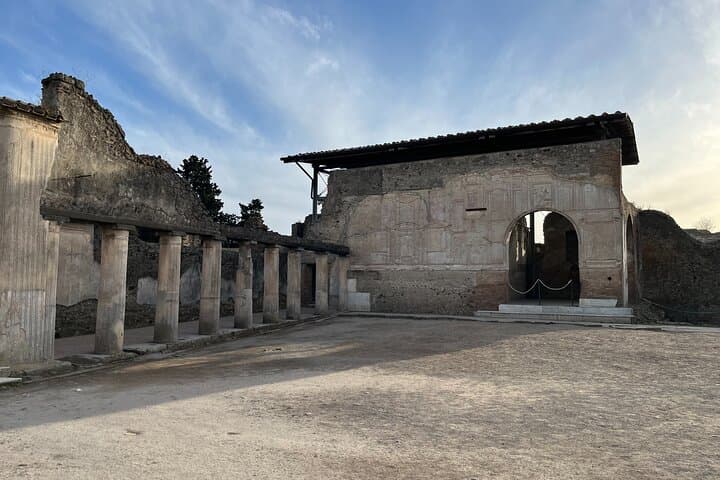
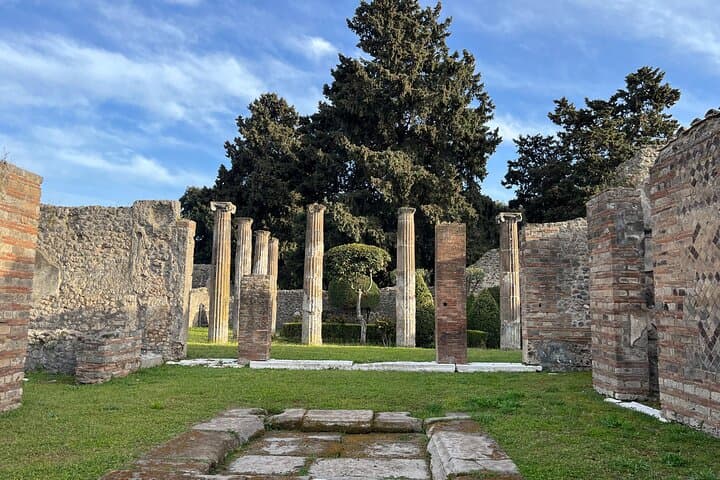
You step off an air-conditioned Mercedes near the Gulf of Naples and the first sight is stone and silence—streets frozen in Roman time, roofs gone but houses and frescoes still readable. The tour moves with a rhythm: two hours to explore the grid of Pompeii, a 4 km round-trip climb to Vesuvius’s crater, then a quieter 90-minute walk through the better-preserved town of Herculaneum.
Verified experiences and guided adventures in the surrounding area.
Operated by Pompeii Transfer Car · Pompeii, Campania
You step off an air-conditioned Mercedes near the Gulf of Naples and the first sight is stone and silence—streets frozen in Roman time, roofs gone but houses and frescoes still readable. The tour moves with a rhythm: two hours to explore the grid of Pompeii, a 4 km round-trip climb to Vesuvius’s crater, then a quieter 90-minute walk through the better-preserved town of Herculaneum.
Pompeii and Herculaneum were sealed by Vesuvius in 79 AD; the ash preserved mosaics, bakeries, and daily tools that reveal how Romans lived, worked and worshipped. Vesuvius itself is a stratovolcano—layers of lava and ash built over millennia—whose accessible rim sits near 1,170 m above sea level. Local culture around the volcano is proud and practical: vineyards cling to volcanic soils and small towns offer robust cuisine flavored by the mountain.
Practically, expect uneven stone streets, dusty trails and short steep sections on the Vesuvius path: the ascent gains about 140 m with an average gradient near 14% and takes roughly 1.5 hours round trip on the crater trail. The tour runs about 7–8 hours with private transport, onboard Wi‑Fi and bottled water; entrance fees and local guides are typically extra. Bring sturdy shoes, sun protection, and a light layer for wind at the summit.
This itinerary balances archaeology and a doable mountain walk—perfect for travelers who want a single-day immersion in history and geology without complicated logistics.
moderate.
7–8 hours.
Suitable for travelers in average fitness; involves walking on uneven surfaces and a ~4 km round trip with ~140 m gain.
No; the tour provides transport and time at each site, but museum and park admission and local guide fees are typically paid on site.
The trail is about 4 km round trip with ~140 m elevation gain and a 14% average gradient—suitable for most hikers but rated moderate due to loose volcanic soil.
Yes; private pickup and drop‑off from port, station, airport or hotel is offered—confirm exact pickup point when booking.
Yes; guides and guided entry are available but usually cost extra; the operator can arrange a guide on request.
Pompeii and Herculaneum were rapidly buried by ash and pyroclastic flows in 79 AD; differing burial depths explain the contrast in preservation between the two cities.
Both sites are managed to balance public access with preservation; stay on marked paths and avoid touching frescoes to minimize damage.
Pompeii Transfer Car operates guided outdoor trips and adventures with an emphasis on safety, stewardship, and memorable experiences.
You step off an air-conditioned Mercedes near the Gulf of Naples and the first sight is stone and silence—streets frozen in Roman time, roofs gone but houses and frescoes still readable. The tour moves with a rhythm: two hours to explore the grid of Pompeii, a 4 km round-trip climb to Vesuvius’s crater, then a quieter 90-minute walk through the better-preserved town of Herculaneum.
You step off an air-conditioned Mercedes near the Gulf of Naples and the first sight is stone and silence—streets frozen in Roman time, roofs gone but houses and frescoes still readable. The tour moves with a rhythm: two hours to explore the grid of Pompeii, a 4 km round-trip climb to Vesuvius’s crater, then a quieter 90-minute walk through the better-preserved town of Herculaneum.
Pompeii and Herculaneum were sealed by Vesuvius in 79 AD; the ash preserved mosaics, bakeries, and daily tools that reveal how Romans lived, worked and worshipped. Vesuvius itself is a stratovolcano—layers of lava and ash built over millennia—whose accessible rim sits near 1,170 m above sea level. Local culture around the volcano is proud and practical: vineyards cling to volcanic soils and small towns offer robust cuisine flavored by the mountain.
Practically, expect uneven stone streets, dusty trails and short steep sections on the Vesuvius path: the ascent gains about 140 m with an average gradient near 14% and takes roughly 1.5 hours round trip on the crater trail. The tour runs about 7–8 hours with private transport, onboard Wi‑Fi and bottled water; entrance fees and local guides are typically extra. Bring sturdy shoes, sun protection, and a light layer for wind at the summit.
This itinerary balances archaeology and a doable mountain walk—perfect for travelers who want a single-day immersion in history and geology without complicated logistics.