THE ADVENTURE COLLECTIVE® · Independent discovery and booking for outdoor travel

Spend a full day moving from Pompeii’s frozen Roman streets to the fuming rim of Mount Vesuvius. This guided tour pairs archaeological exploration with a short, steep hike to panoramic volcanic views.
Spend a full day moving from Pompeii’s frozen Roman streets to the fuming rim of Mount Vesuvius. This guided tour pairs archaeological exploration with a short, steep hike to panoramic volcanic views.
You step off the minivan in the warm Neapolitan light and the day stretches wide: first the dust-lined streets of Pompeii’s decaying villas, then the steady, volcanic slope of Vesuvius that seems to breathe behind the bay. The guide leads you through plaster casts and Villa facades, voices dropping as the scale of 79 AD settles in; later you trade stone alleyways for the stony incline toward a smoking rim.
Verified experiences and guided adventures in the surrounding area.
Operated by Ncc napoli Car Service · Naples, Campania
You step off the minivan in the warm Neapolitan light and the day stretches wide: first the dust-lined streets of Pompeii’s decaying villas, then the steady, volcanic slope of Vesuvius that seems to breathe behind the bay. The guide leads you through plaster casts and Villa facades, voices dropping as the scale of 79 AD settles in; later you trade stone alleyways for the stony incline toward a smoking rim.
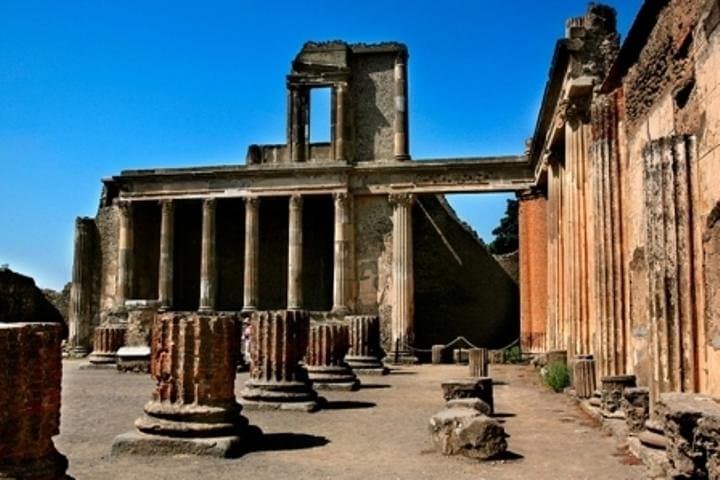
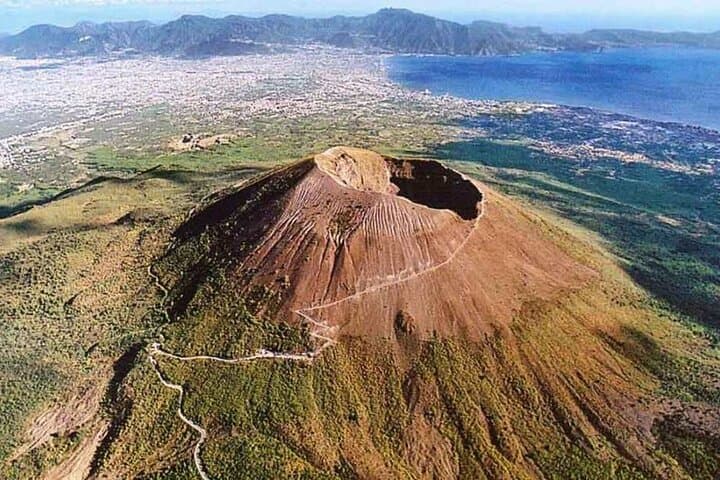
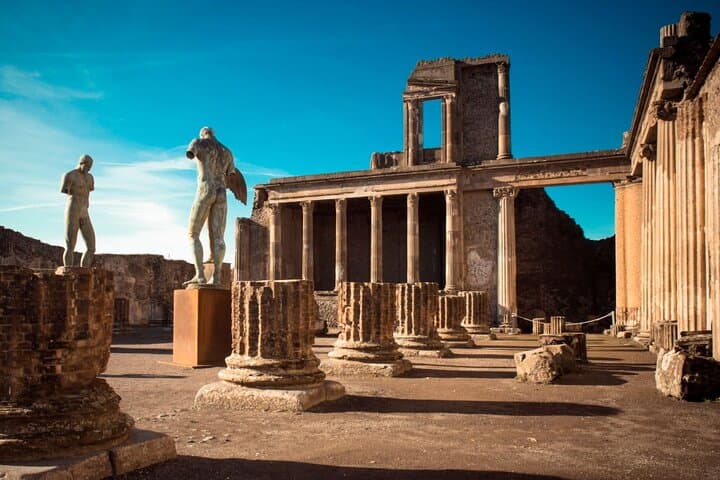
Pompeii is an open-air time capsule—Roman houses, a grand theatre and bakeries frozen under ash—while Vesuvius is Europe’s most famous active cone, shaped by repeated eruptions and Mediterranean weather. Geology here is direct: black lava, tuff layers and sulfurous steam at higher elevation. Locals keep a cautious relationship with the mountain—farming the fertile slopes and monitoring seismic signs—so culture, cuisine and caution are woven together.
Practically: the full day runs roughly 8–9 hours with hotel pickup in Naples, two hours in the archaeological park and a guided approach to Vesuvius’ crater (admission fees often paid on site). Paths on Vesuvius are steep and volcanic underfoot; a one-hour round trip from the parking area to the crater rim is typical. Bring sun protection, steady footwear and water; weather can flip on the summit. The tour balances archaeological immersion with a short, strenuous hike, making it ideal for travelers who want both history and an active, panoramic finish.
moderate.
8–9 hours.
Moderate fitness — able to walk on uneven ground for up to an hour uphill and spend several hours on your feet.
Not typically; many operators exclude archaeological park and crater access fees—budget about €10–€20 total and check payment methods in advance.
The walk from the parking area to the crater rim is short but steep and over loose volcanic rock; moderate fitness and proper shoes are recommended.
Transport and some parts of Pompeii may be accessible, but the Vesuvius crater path is generally unsuitable for wheelchairs or strollers.
Early morning departures avoid mid-afternoon heat and crowds; spring and fall offer milder temperatures for both ruins and the summit.
Pompeii was buried in ash and pumice during Vesuvius’ catastrophic eruption of 79 AD; excavations over centuries reveal daily Roman life preserved beneath volcanic deposits.
High visitor numbers stress fragile ruins and trails—stay on marked paths, respect signage and avoid touching frescoes; fees and guided access support ongoing preservation efforts.
Ncc napoli Car Service operates guided outdoor trips and adventures with an emphasis on safety, stewardship, and memorable experiences.
You step off the minivan in the warm Neapolitan light and the day stretches wide: first the dust-lined streets of Pompeii’s decaying villas, then the steady, volcanic slope of Vesuvius that seems to breathe behind the bay. The guide leads you through plaster casts and Villa facades, voices dropping as the scale of 79 AD settles in; later you trade stone alleyways for the stony incline toward a smoking rim.
You step off the minivan in the warm Neapolitan light and the day stretches wide: first the dust-lined streets of Pompeii’s decaying villas, then the steady, volcanic slope of Vesuvius that seems to breathe behind the bay. The guide leads you through plaster casts and Villa facades, voices dropping as the scale of 79 AD settles in; later you trade stone alleyways for the stony incline toward a smoking rim.
Pompeii is an open-air time capsule—Roman houses, a grand theatre and bakeries frozen under ash—while Vesuvius is Europe’s most famous active cone, shaped by repeated eruptions and Mediterranean weather. Geology here is direct: black lava, tuff layers and sulfurous steam at higher elevation. Locals keep a cautious relationship with the mountain—farming the fertile slopes and monitoring seismic signs—so culture, cuisine and caution are woven together.
Practically: the full day runs roughly 8–9 hours with hotel pickup in Naples, two hours in the archaeological park and a guided approach to Vesuvius’ crater (admission fees often paid on site). Paths on Vesuvius are steep and volcanic underfoot; a one-hour round trip from the parking area to the crater rim is typical. Bring sun protection, steady footwear and water; weather can flip on the summit. The tour balances archaeological immersion with a short, strenuous hike, making it ideal for travelers who want both history and an active, panoramic finish.