THE ADVENTURE COLLECTIVE® · Independent discovery and booking for outdoor travel

Board a morning transfer from Positano to Pompeii, wander Roman streets preserved by Vesuvius, then head to Cantine del Vesuvio for lunch and volcanic-soil wine tastings. This full-day outing blends archaeology, geology and regional cuisine in one accessible package.
Board a morning transfer from Positano to Pompeii, wander Roman streets preserved by Vesuvius, then head to Cantine del Vesuvio for lunch and volcanic-soil wine tastings. This full-day outing blends archaeology, geology and regional cuisine in one accessible package.
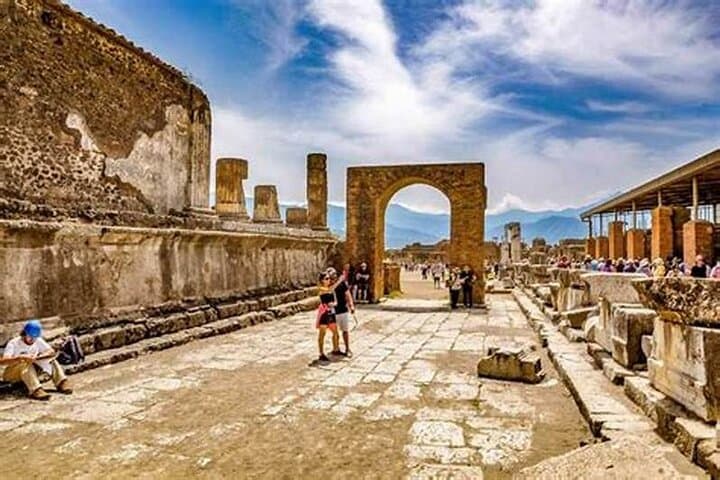
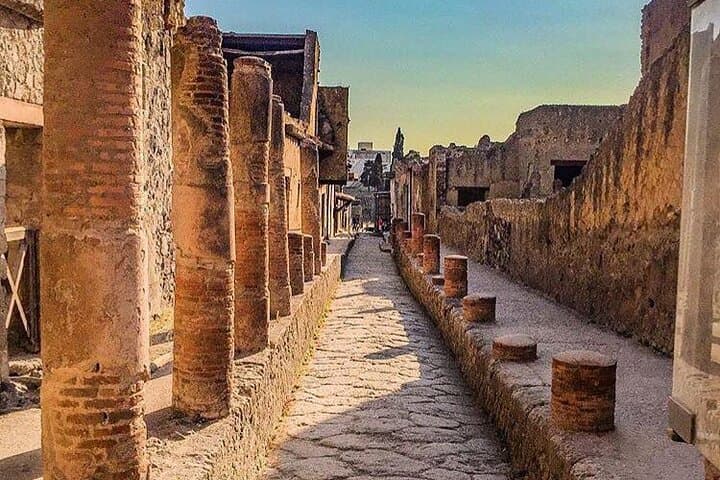
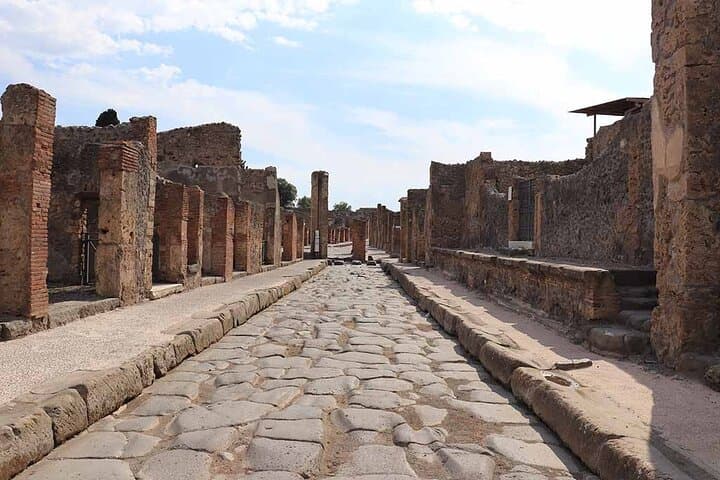
The morning begins on the Amalfi Coast road, the bus easing out of Positano as sunlight fingers the pastel façades and Vesuvius darkens the horizon like a remembered story. By the time you arrive, the air carries both the dust of antiquity and the sharp scent of Mediterranean scrub. Walking into Pompeii is stepping into a Roman street frozen by volcanic wrath—shadows of daily life preserved under ash.
Verified experiences and guided adventures in the surrounding area.
Operated by Aiana Travel · Pompeii, Campania
The morning begins on the Amalfi Coast road, the bus easing out of Positano as sunlight fingers the pastel façades and Vesuvius darkens the horizon like a remembered story. By the time you arrive, the air carries both the dust of antiquity and the sharp scent of Mediterranean scrub. Walking into Pompeii is stepping into a Roman street frozen by volcanic wrath—shadows of daily life preserved under ash.
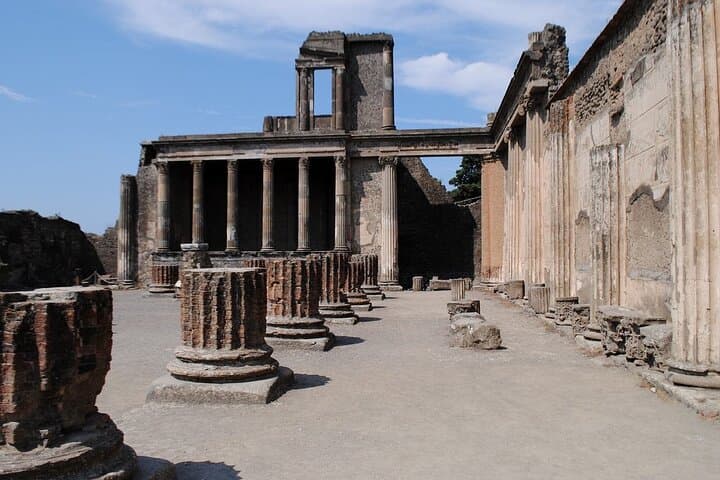
Pompeii’s streets date back to centuries BC, truncated by Mount Vesuvius in 79 AD; the volcanic deposits that buried the city also sealed frescoes, bakeries and plaster casts in remarkable detail. Geology here is immediate: pumice and tuff tell of explosive eruptions that shaped the Bay of Naples. Culture persists in small things—graffiti on the forum, mosaic thresholds, and the stubborn vines that thrive in volcanic soils on Vesuvius’ slopes.
After roughly two hours exploring amphitheater tiers, baths and homes, the tour moves to a local cantina where Lacryma Christi and Aglianico bend with acidity born from lava-rich earth. Lunch and tastings at Cantine del Vesuvio showcase how terroir and tradition meet—simple food, robust wine, and a chance to read the landscape with your palate.
Practical notes: expect uneven cobbles and sun exposure—allow for 6–7 hours total, bring water, and wear supportive shoes. The tour includes transport, guide and entrance; if you have mobility limits, inform the operator when booking. Timing your visit early in the day avoids heat and crowds and gives the ruins and vineyard room to speak.
moderate.
6–7 hours.
Moderate fitness—able to walk 2–3 miles on uneven surfaces and climb short stairways.
Yes—the tour includes the archaeological site entrance and a guided visit of about two hours.
Yes—pickup from an agreed location or hotel in Positano is included in the itinerary.
Yes—lunch and a guided wine tasting at Cantine del Vesuvio are part of the package.
Not easily—Pompeii has uneven surfaces and steps; the tour notes recommend moderate fitness and advises informing the operator of any mobility limitations.
Pompeii developed from pre-Roman settlements into a bustling Roman town until Vesuvius’ eruption in 79 AD buried it under meters of ash, preserving urban life for centuries.
High visitor numbers put strain on fragile frescoes and mosaics; stay on marked paths, don’t touch artifacts, and support local conservation efforts and responsible wineries.
Aiana Travel operates guided outdoor trips and adventures with an emphasis on safety, stewardship, and memorable experiences.
The morning begins on the Amalfi Coast road, the bus easing out of Positano as sunlight fingers the pastel façades and Vesuvius darkens the horizon like a remembered story. By the time you arrive, the air carries both the dust of antiquity and the sharp scent of Mediterranean scrub. Walking into Pompeii is stepping into a Roman street frozen by volcanic wrath—shadows of daily life preserved under ash.
The morning begins on the Amalfi Coast road, the bus easing out of Positano as sunlight fingers the pastel façades and Vesuvius darkens the horizon like a remembered story. By the time you arrive, the air carries both the dust of antiquity and the sharp scent of Mediterranean scrub. Walking into Pompeii is stepping into a Roman street frozen by volcanic wrath—shadows of daily life preserved under ash.
Pompeii’s streets date back to centuries BC, truncated by Mount Vesuvius in 79 AD; the volcanic deposits that buried the city also sealed frescoes, bakeries and plaster casts in remarkable detail. Geology here is immediate: pumice and tuff tell of explosive eruptions that shaped the Bay of Naples. Culture persists in small things—graffiti on the forum, mosaic thresholds, and the stubborn vines that thrive in volcanic soils on Vesuvius’ slopes.
After roughly two hours exploring amphitheater tiers, baths and homes, the tour moves to a local cantina where Lacryma Christi and Aglianico bend with acidity born from lava-rich earth. Lunch and tastings at Cantine del Vesuvio showcase how terroir and tradition meet—simple food, robust wine, and a chance to read the landscape with your palate.
Practical notes: expect uneven cobbles and sun exposure—allow for 6–7 hours total, bring water, and wear supportive shoes. The tour includes transport, guide and entrance; if you have mobility limits, inform the operator when booking. Timing your visit early in the day avoids heat and crowds and gives the ruins and vineyard room to speak.