THE ADVENTURE COLLECTIVE® · Independent discovery and booking for outdoor travel

Walk Pompeii’s ancient streets and then trade ruins for coastal cliffs on this private shore excursion. A driver waits while you self-tour Pompeii, lunch in Sorrento, and stroll Positano’s cliffside lanes.
Walk Pompeii’s ancient streets and then trade ruins for coastal cliffs on this private shore excursion. A driver waits while you self-tour Pompeii, lunch in Sorrento, and stroll Positano’s cliffside lanes.
Arrive to Pompeii as if stepping into a paused city — cobbled lanes, sun-baked plaster, and volcano-shadowed horizons. The ruined streets invite measured exploration; shutters gape from once-grand homes, and the plastered frescoes still argue for the lives they recorded. Later, the drive out to Sorrento opens the coast: terraces of lemon trees lean toward the sea and the Tyrrhenian pushes light across whitewashed buildings. Positano perches on the slope like a stacked village daring the waves below, alleys funneling scent of espresso and salt air.
Verified experiences and guided adventures in the surrounding area.
Operated by Stefano's RomeCabs · Pompeii, Campania
Arrive to Pompeii as if stepping into a paused city — cobbled lanes, sun-baked plaster, and volcano-shadowed horizons. The ruined streets invite measured exploration; shutters gape from once-grand homes, and the plastered frescoes still argue for the lives they recorded. Later, the drive out to Sorrento opens the coast: terraces of lemon trees lean toward the sea and the Tyrrhenian pushes light across whitewashed buildings. Positano perches on the slope like a stacked village daring the waves below, alleys funneling scent of espresso and salt air.
Pompeii’s story is volcanic and human — buried by Vesuvius in 79 AD and unearthed over centuries, its streets and villas reveal Roman domestic life and urban planning. The Amalfi coastline is a product of tectonic uplift and millennia of agriculture: lemon groves and terraces clinging to steep limestone. Local culture centers on seafood, limoncello, and small-scale artisan trade; coastal towns grew around fishing and maritime routes that predate modern roads.
Practical guidance: this is a driver-only private transfer. Entry to Pompeii is paid on site (~€15) and a licensed guide is recommended for context; the tour does not include guide fees. Expect uneven ancient pavements and steps in all three stops, so plan at least two hours at Pompeii and time for a seaside lunch in Sorrento. Bring comfortable walking shoes, sun protection, and a small pack for water and valuables. Timed well, the day balances archaeology with coastal panoramas — a long but manageable shore excursion best started early to avoid peak crowds and afternoon heat.
moderate.
9 hours.
Suitable for travelers who can walk 2–4 miles on uneven surfaces and climb stairs; moderate stamina for a long day.
No — this is a driver-only tour; visitors self-tour Pompeii. A licensed guide can be added via upgraded options and is recommended for full historical context.
No — entry tickets (~€15 per person) are paid on site upon arrival and are not included in the driver-only rate.
Yes — the driver remains with the vehicle while you self-tour; exact waiting time should be confirmed at booking to fit your schedule.
Infants and small children can use strollers in some areas, but expect uneven terrain and steps in Pompeii and Positano; consider a carrier for easier mobility.
Pompeii was buried by Vesuvius in 79 AD; excavations since the 18th century have exposed homes, shops and municipal infrastructure that illuminate Roman urban life.
Heavy visitor traffic threatens fragile frescoes and structures; follow marked paths, avoid touching archaeological surfaces, and support local businesses practicing sustainable tourism.
Stefano's RomeCabs operates guided outdoor trips and adventures with an emphasis on safety, stewardship, and memorable experiences.
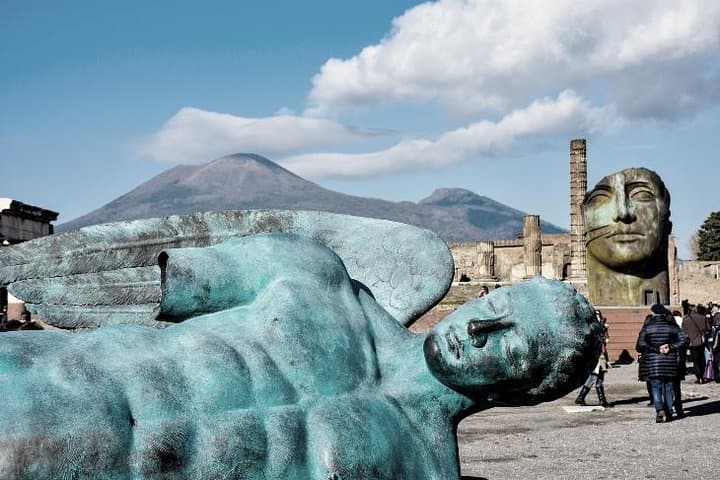
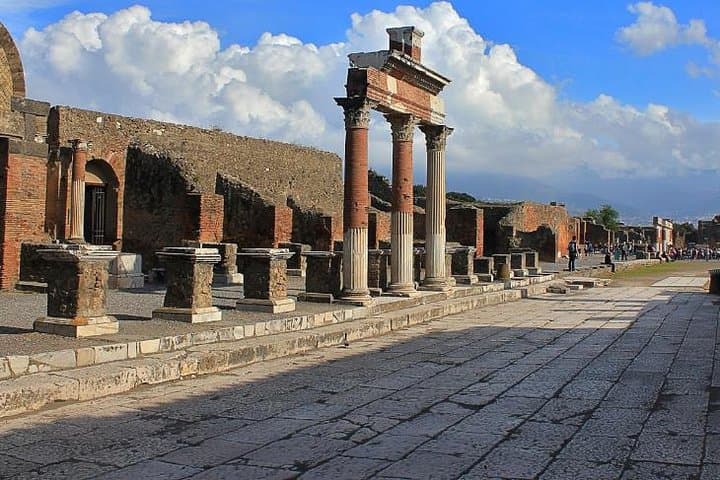
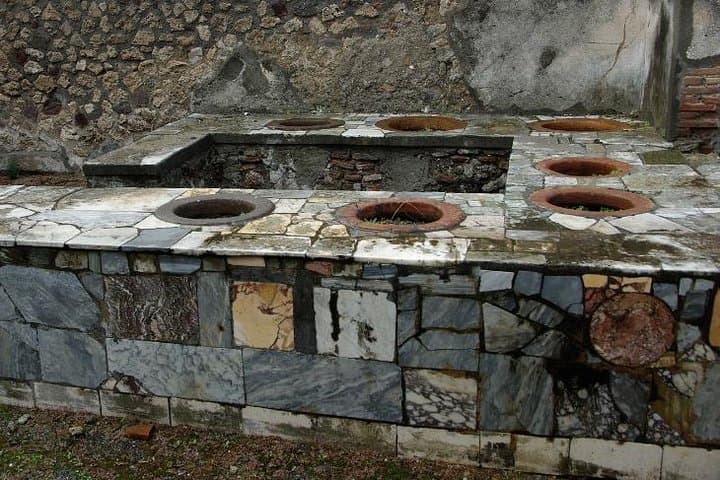
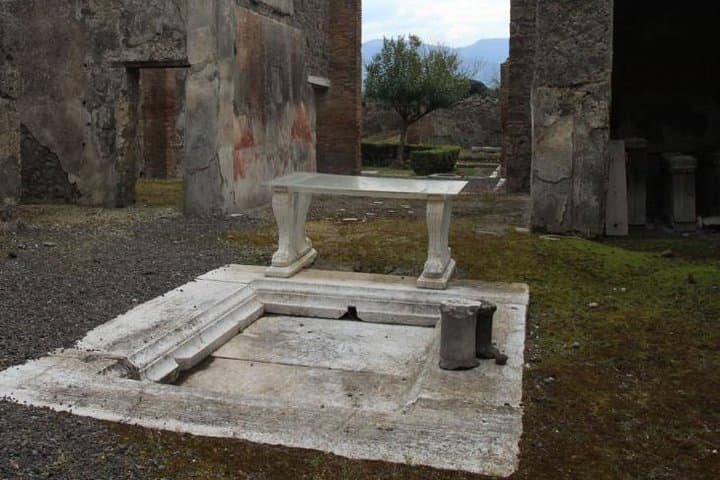
Arrive to Pompeii as if stepping into a paused city — cobbled lanes, sun-baked plaster, and volcano-shadowed horizons. The ruined streets invite measured exploration; shutters gape from once-grand homes, and the plastered frescoes still argue for the lives they recorded. Later, the drive out to Sorrento opens the coast: terraces of lemon trees lean toward the sea and the Tyrrhenian pushes light across whitewashed buildings. Positano perches on the slope like a stacked village daring the waves below, alleys funneling scent of espresso and salt air.
Arrive to Pompeii as if stepping into a paused city — cobbled lanes, sun-baked plaster, and volcano-shadowed horizons. The ruined streets invite measured exploration; shutters gape from once-grand homes, and the plastered frescoes still argue for the lives they recorded. Later, the drive out to Sorrento opens the coast: terraces of lemon trees lean toward the sea and the Tyrrhenian pushes light across whitewashed buildings. Positano perches on the slope like a stacked village daring the waves below, alleys funneling scent of espresso and salt air.
Pompeii’s story is volcanic and human — buried by Vesuvius in 79 AD and unearthed over centuries, its streets and villas reveal Roman domestic life and urban planning. The Amalfi coastline is a product of tectonic uplift and millennia of agriculture: lemon groves and terraces clinging to steep limestone. Local culture centers on seafood, limoncello, and small-scale artisan trade; coastal towns grew around fishing and maritime routes that predate modern roads.
Practical guidance: this is a driver-only private transfer. Entry to Pompeii is paid on site (~€15) and a licensed guide is recommended for context; the tour does not include guide fees. Expect uneven ancient pavements and steps in all three stops, so plan at least two hours at Pompeii and time for a seaside lunch in Sorrento. Bring comfortable walking shoes, sun protection, and a small pack for water and valuables. Timed well, the day balances archaeology with coastal panoramas — a long but manageable shore excursion best started early to avoid peak crowds and afternoon heat.