THE ADVENTURE COLLECTIVE® · Independent discovery and booking for outdoor travel

A long day that pairs Pompeii’s ancient streets with the dramatic Amalfi Coast: see preserved Roman life, drink in cliffside panoramas, and get free time in Positano. Ideal for travelers who want a packed, single‑day taste of Campania.
A long day that pairs Pompeii’s ancient streets with the dramatic Amalfi Coast: see preserved Roman life, drink in cliffside panoramas, and get free time in Positano. Ideal for travelers who want a packed, single‑day taste of Campania.
You step out of the minivan and the coast meets you — a sharp drop of blue, terraces of lemon trees clinging to the cliff, and Positano's stacked houses daring the sea to pull them down. The day moves like that coastline: sudden panoramas, concentrated history, and long stretches of road that let the region reveal itself slowly.
Verified experiences and guided adventures in the surrounding area.
Operated by Pal.Mar. srl · Pompeii, Campania
You step out of the minivan and the coast meets you — a sharp drop of blue, terraces of lemon trees clinging to the cliff, and Positano's stacked houses daring the sea to pull them down. The day moves like that coastline: sudden panoramas, concentrated history, and long stretches of road that let the region reveal itself slowly.
Begin with Pompeii: two hours with an official guide through streets frozen at Vesuvius’s eruption. Stone thresholds, frescoed villas and the cardo maximus give immediate clues about daily life under the Roman Republic and early Empire. Geologically, the ash and pumice that preserved the site are the same products of Vesuvius’s explosive history; the surrounding landscape is volcanic — fertile, terraced, and prone to sudden change.
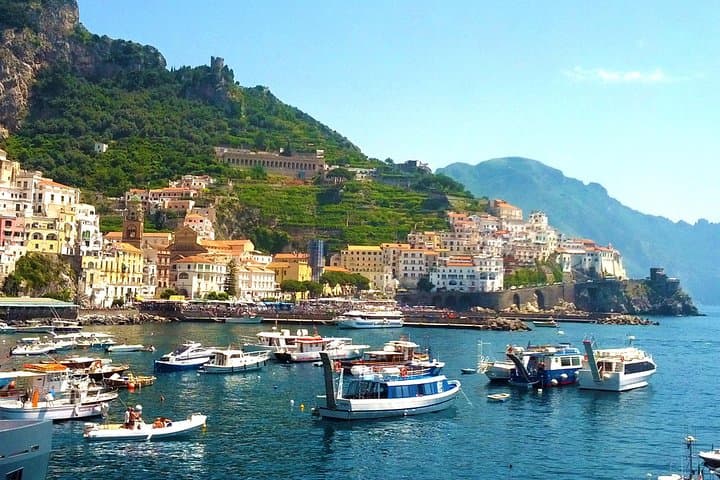
Culturally, the Amalfi Drive is as much about fishermen and lemon growers as it is about views. Positano and Amalfi grew from maritime trade and local craft; expect cafés, cobbled alleys, and a coastline where currents and sea breezes sculpt your afternoon.
Practically: this is a 14‑hour day with hotel pickup from Rome, air‑conditioned transport, and short guided segments — roughly two hours in Pompeii, about 2.5 hours free in Positano, and a brief stop in Amalfi. Wear sturdy shoes for uneven archeological surfaces and narrow coastal streets, carry water and sun protection for long stretches under sun and wind, and plan for variable weather near the sea. Mobility is generally easy but Pompeii involves walking on ancient, irregular pavement. The itinerary suits travelers who want a single‑day introduction to Campania’s natural drama and layered history without overnight logistics.
moderate.
14 hours.
Lightly active: comfortable walking for 2–3 hours with frequent stops and some stairs; average stamina required for a full day.
The guided visit is approximately two hours, focused on key streets and houses; it’s a good overview but not a full excavation deep dive.
No—there’s about 2–2.5 hours of free time in Positano to eat; bring cash or cards as seaside restaurants can be cash‑preferred.
The tour is wheelchair accessible for transport, but Pompeii’s ancient, uneven surfaces and Positano’s steep alleys can be challenging for limited mobility.
The operator may cancel for severe weather; check cancellation deadlines (full refund if cancelled >24 hours) and dress in layers for variable coastal conditions.
Pompeii preserves an instantaneous record of AD 79 when Vesuvius’s eruption buried the city; Amalfi and Positano grew later as maritime communities tied to Mediterranean trade and lemon cultivation.
Tourism pressure strains narrow coastal towns and archaeological sites; stick to marked paths at Pompeii, avoid touching frescoes, and support local businesses to keep tourism sustainable.
Pal.Mar. srl operates guided outdoor trips and adventures with an emphasis on safety, stewardship, and memorable experiences.
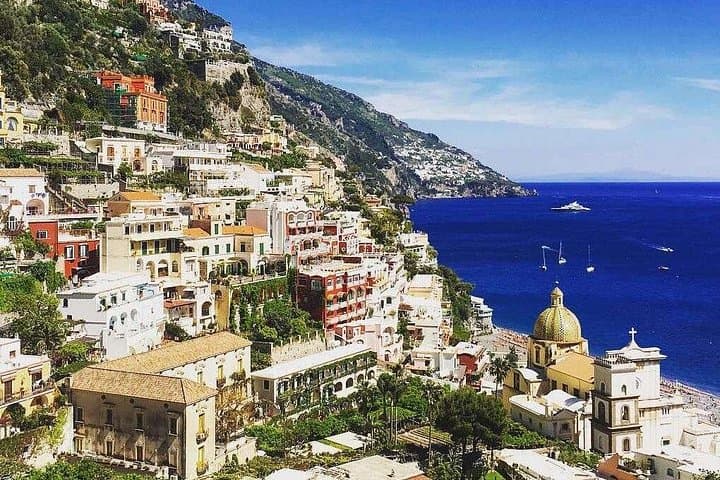


You step out of the minivan and the coast meets you — a sharp drop of blue, terraces of lemon trees clinging to the cliff, and Positano's stacked houses daring the sea to pull them down. The day moves like that coastline: sudden panoramas, concentrated history, and long stretches of road that let the region reveal itself slowly.
You step out of the minivan and the coast meets you — a sharp drop of blue, terraces of lemon trees clinging to the cliff, and Positano's stacked houses daring the sea to pull them down. The day moves like that coastline: sudden panoramas, concentrated history, and long stretches of road that let the region reveal itself slowly.
Begin with Pompeii: two hours with an official guide through streets frozen at Vesuvius’s eruption. Stone thresholds, frescoed villas and the cardo maximus give immediate clues about daily life under the Roman Republic and early Empire. Geologically, the ash and pumice that preserved the site are the same products of Vesuvius’s explosive history; the surrounding landscape is volcanic — fertile, terraced, and prone to sudden change.
Culturally, the Amalfi Drive is as much about fishermen and lemon growers as it is about views. Positano and Amalfi grew from maritime trade and local craft; expect cafés, cobbled alleys, and a coastline where currents and sea breezes sculpt your afternoon.
Practically: this is a 14‑hour day with hotel pickup from Rome, air‑conditioned transport, and short guided segments — roughly two hours in Pompeii, about 2.5 hours free in Positano, and a brief stop in Amalfi. Wear sturdy shoes for uneven archeological surfaces and narrow coastal streets, carry water and sun protection for long stretches under sun and wind, and plan for variable weather near the sea. Mobility is generally easy but Pompeii involves walking on ancient, irregular pavement. The itinerary suits travelers who want a single‑day introduction to Campania’s natural drama and layered history without overnight logistics.