THE ADVENTURE COLLECTIVE® · Independent discovery and booking for outdoor travel

Spend a day moving from volcanic ruins to cliffside villages: explore Pompeii with an expert guide, wander Sorrento's narrow lanes, and descend into Positano's steep streets. This private tour balances archaeology, coastal geology, and local flavors in a single, well-paced outing.
Spend a day moving from volcanic ruins to cliffside villages: explore Pompeii with an expert guide, wander Sorrento's narrow lanes, and descend into Positano's steep streets. This private tour balances archaeology, coastal geology, and local flavors in a single, well-paced outing.
You step off the coast road into sun-struck stone: the air smells of lemon groves and sea spray, cliffs folding into the Tyrrhenian like pages of a geology book. A private driver whisks you from the Naples port, and within an hour the modern noise gives way to Pompeii's archaeological hush—streets frozen in ash where commerce and daily life are suddenly visible in ruins and plaster casts.
Verified experiences and guided adventures in the surrounding area.
Operated by Sorrento Silver Star Tours · Pompeii, Campania
You step off the coast road into sun-struck stone: the air smells of lemon groves and sea spray, cliffs folding into the Tyrrhenian like pages of a geology book. A private driver whisks you from the Naples port, and within an hour the modern noise gives way to Pompeii's archaeological hush—streets frozen in ash where commerce and daily life are suddenly visible in ruins and plaster casts.
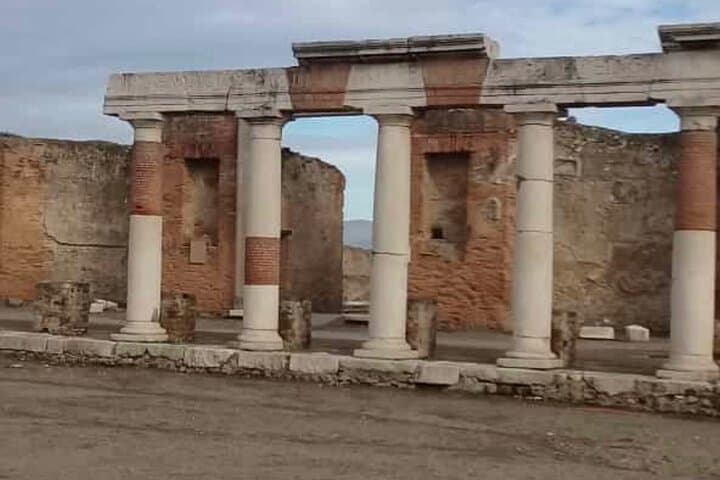
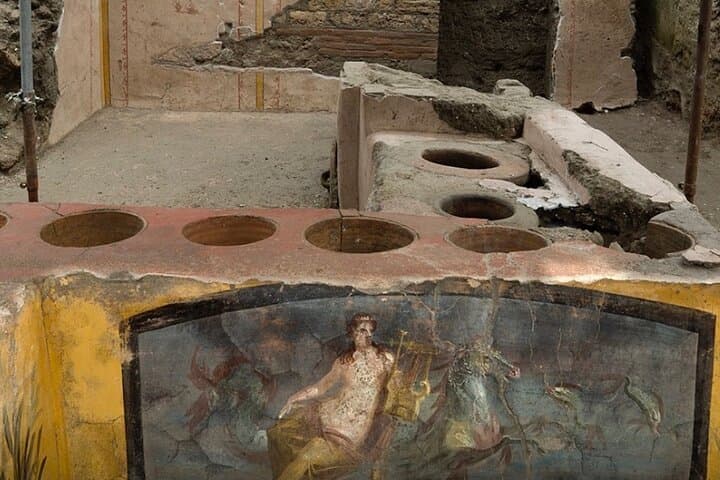
Pompeii's forum, bakeries, and market lanes tell a compact urban story of Roman life and the catastrophic eruption of Vesuvius in 79 AD; the plaster casts of residents and the famous chained dog bring a human scale to the site. Geologically, the volcanic soils made the Amalfi coastline steep and terraced, carving dramatic limestone cliffs that plunge to the sea.
Sorrento offers a gentler pause: narrow lanes, citrus shops, and a square where locals trade gossip over espresso. Then the road hugs the Amalfi cliffs toward Positano—vehicles drop you at the nearest legal access point and you descend into a village of steep steps, tiled roofs, and cascading bougainvillea. The sea seems to dare you to sit and watch.
Practical guide: plan for a 6–8 hour day, with roughly 2 hours in Pompeii, 45–60 minutes in Sorrento, and 40–50 minutes in Positano. Wear sturdy walking shoes for uneven Roman stones and many steps in Positano. Bring water, sunscreen, and small bills for shops and local restrooms. If traveling from a cruise ship, confirm pickup time and port logistics in advance. Start early to avoid midday heat and maximize time in each stop.
moderate.
6–8 hours.
Moderate fitness; able to walk on uneven surfaces and climb multiple flights of stairs over the day.
Admission is typically not included; confirm with the booking. The tour provides a private guide for a two-hour archaeological visit but entrance fees may be extra.
Yes—this private tour accommodates port pickup and drop-off; you will be asked for cruise arrival/departure details at booking.
Infants and small children can use strollers for short distances, but Pompeii’s streets and Positano’s steps limit easy stroller use—consider a carrier for longer walks.
Expect several kilometers of walking across uneven Roman pavements in Pompeii and numerous flights of stairs in Positano; the pace is moderate but continuous.
Pompeii preserves a Roman town frozen in AD 79 by Vesuvius’s eruption, offering direct evidence of daily life, commerce, and urban design from antiquity.
Sites like Pompeii require careful foot traffic to protect fragile mosaics and plaster casts; follow marked paths and avoid touching exposed surfaces to minimize wear.
Sorrento Silver Star Tours operates guided outdoor trips and adventures with an emphasis on safety, stewardship, and memorable experiences.


You step off the coast road into sun-struck stone: the air smells of lemon groves and sea spray, cliffs folding into the Tyrrhenian like pages of a geology book. A private driver whisks you from the Naples port, and within an hour the modern noise gives way to Pompeii's archaeological hush—streets frozen in ash where commerce and daily life are suddenly visible in ruins and plaster casts.
You step off the coast road into sun-struck stone: the air smells of lemon groves and sea spray, cliffs folding into the Tyrrhenian like pages of a geology book. A private driver whisks you from the Naples port, and within an hour the modern noise gives way to Pompeii's archaeological hush—streets frozen in ash where commerce and daily life are suddenly visible in ruins and plaster casts.
Pompeii's forum, bakeries, and market lanes tell a compact urban story of Roman life and the catastrophic eruption of Vesuvius in 79 AD; the plaster casts of residents and the famous chained dog bring a human scale to the site. Geologically, the volcanic soils made the Amalfi coastline steep and terraced, carving dramatic limestone cliffs that plunge to the sea.
Sorrento offers a gentler pause: narrow lanes, citrus shops, and a square where locals trade gossip over espresso. Then the road hugs the Amalfi cliffs toward Positano—vehicles drop you at the nearest legal access point and you descend into a village of steep steps, tiled roofs, and cascading bougainvillea. The sea seems to dare you to sit and watch.
Practical guide: plan for a 6–8 hour day, with roughly 2 hours in Pompeii, 45–60 minutes in Sorrento, and 40–50 minutes in Positano. Wear sturdy walking shoes for uneven Roman stones and many steps in Positano. Bring water, sunscreen, and small bills for shops and local restrooms. If traveling from a cruise ship, confirm pickup time and port logistics in advance. Start early to avoid midday heat and maximize time in each stop.