THE ADVENTURE COLLECTIVE® · Independent discovery and booking for outdoor travel

Walk the same pavements Romans did and hear the city's story in your own time. This self-guided audio tour highlights Pompeii's Forum, temples and market with practical tips for making the most of the ruins.
Walk the same pavements Romans did and hear the city's story in your own time. This self-guided audio tour highlights Pompeii's Forum, temples and market with practical tips for making the most of the ruins.
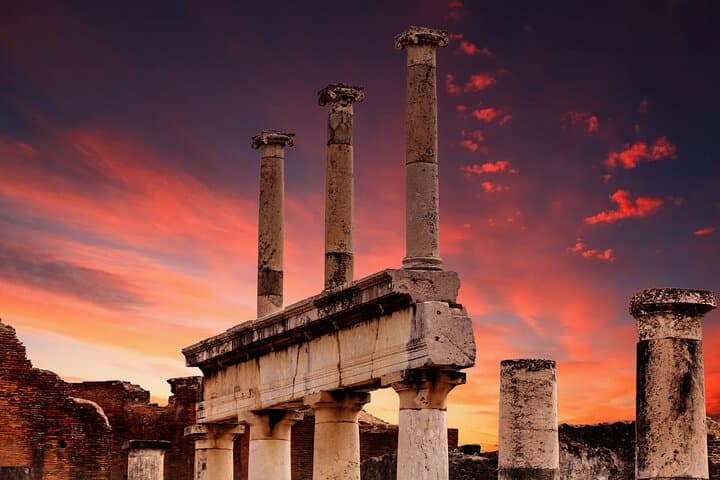
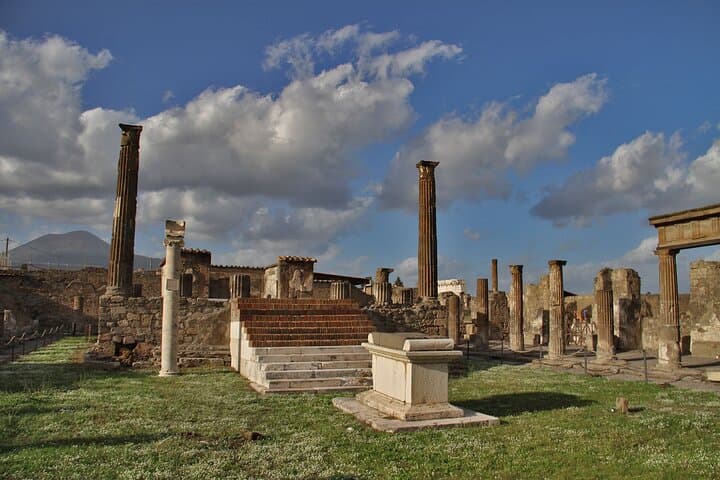
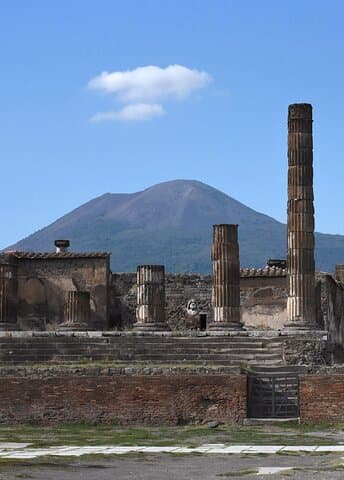
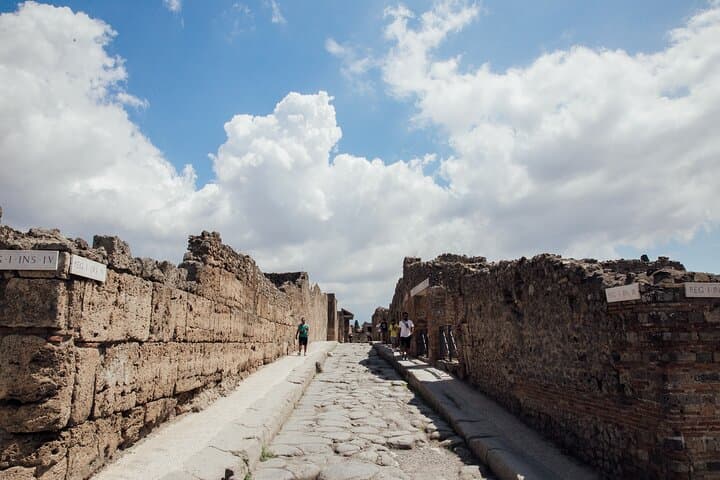
You step through a low stone arch and the city opens: sun-warmed basalt streets, mosaics dusted with centuries, and Mount Vesuvius looming like an unavoidable question on the skyline.
Verified experiences and guided adventures in the surrounding area.
Operated by Vidi Guides · Pompeii, Campania
You step through a low stone arch and the city opens: sun-warmed basalt streets, mosaics dusted with centuries, and Mount Vesuvius looming like an unavoidable question on the skyline.
This self-guided audio walk traces the day-to-day life of a Roman commercial hub—markets that hummed, temples that organized civic life, baths where gossip and steam mixed. The tour threads through the Forum, the Temple precincts of Jupiter, Venus and Apollo, and quiet side streets where carbonized loaves and plaster casts recall a single tragic morning in AD 79 when ash and pumice stopped time.
Geology is part of the story: the eruption produced fast-moving pyroclastic surges and thick ash layers that preserved buildings and bodies alike. Archaeology here reads as urban archaeology—granaries, public toilets, frescoed homes and the amphitheatre tell how commerce, faith and leisure shaped Pompeii.
Locally, Pompeians balance tourism with fragile conservation; small workshops around the modern town sell restored ceramic pieces and guidebooks, and visitors are encouraged to respect ongoing preservation work.
Practical guidance: entry tickets are not included—buy the official Pompeii ticket in advance to avoid lines and consider arriving at opening to beat heat and crowds. Pavements are uneven and can be narrow; sturdy walking shoes and a filled water bottle matter. Download the audio in offline mode before you arrive—that GPS-aware narration keeps you oriented without roaming charges. Expect 1–2 hours for the highlights; budget longer if you want to linger at frescoed houses or climb views that frame Vesuvius.
easy.
1–2 hours.
Suitable for most fitness levels; expect standing and walking on uneven ancient pavements for up to a few hours.
No. The tour does not include Pompeii entry; purchase official tickets online or at the site—prices and queue times vary by season.
Parts of Pompeii have accessible pathways and ramps, but many streets are uneven with raised cross-stones; check with the archaeological site's accessibility information before visiting.
The audio narration is provided by local historians and is typically available in major languages—confirm available language options when booking and download the chosen track.
The guided highlights take 30–60 minutes, but most visitors spend 1–3 hours exploring additional houses and exhibits; allow extra time for heat, photos and museum stops.
Pompeii was buried during the AD 79 eruption of Mount Vesuvius, preserving a Roman cityscape that later became a key UNESCO World Heritage site.
Foot traffic, humidity and sun exposure threaten fragile frescoes and mosaics; visitors should stay on designated paths and support conservation initiatives when possible.
Vidi Guides operates guided outdoor trips and adventures with an emphasis on safety, stewardship, and memorable experiences.
You step through a low stone arch and the city opens: sun-warmed basalt streets, mosaics dusted with centuries, and Mount Vesuvius looming like an unavoidable question on the skyline.
You step through a low stone arch and the city opens: sun-warmed basalt streets, mosaics dusted with centuries, and Mount Vesuvius looming like an unavoidable question on the skyline.
This self-guided audio walk traces the day-to-day life of a Roman commercial hub—markets that hummed, temples that organized civic life, baths where gossip and steam mixed. The tour threads through the Forum, the Temple precincts of Jupiter, Venus and Apollo, and quiet side streets where carbonized loaves and plaster casts recall a single tragic morning in AD 79 when ash and pumice stopped time.
Geology is part of the story: the eruption produced fast-moving pyroclastic surges and thick ash layers that preserved buildings and bodies alike. Archaeology here reads as urban archaeology—granaries, public toilets, frescoed homes and the amphitheatre tell how commerce, faith and leisure shaped Pompeii.
Locally, Pompeians balance tourism with fragile conservation; small workshops around the modern town sell restored ceramic pieces and guidebooks, and visitors are encouraged to respect ongoing preservation work.
Practical guidance: entry tickets are not included—buy the official Pompeii ticket in advance to avoid lines and consider arriving at opening to beat heat and crowds. Pavements are uneven and can be narrow; sturdy walking shoes and a filled water bottle matter. Download the audio in offline mode before you arrive—that GPS-aware narration keeps you oriented without roaming charges. Expect 1–2 hours for the highlights; budget longer if you want to linger at frescoed houses or climb views that frame Vesuvius.