THE ADVENTURE COLLECTIVE® · Independent discovery and booking for outdoor travel

Spend a day between two worlds: walk the ancient streets of Pompeii with a private guide, then climb the vineyards on Vesuvius for a tasting of Lacryma Christi and local fare. This full‑day tour combines archaeology, geology and regional cuisine with practical comforts like skip‑the‑line access and an air‑conditioned vehicle.
Spend a day between two worlds: walk the ancient streets of Pompeii with a private guide, then climb the vineyards on Vesuvius for a tasting of Lacryma Christi and local fare. This full‑day tour combines archaeology, geology and regional cuisine with practical comforts like skip‑the‑line access and an air‑conditioned vehicle.
You step out of the air‑conditioned vehicle into a sunlit avenue of crumbling columns; the ground underfoot still remembers heat and ash while Vesuvius fills the skyline like a watchful neighbor. A private guide leads you through plastered streets and shadowed houses, pausing at a frescoed wall where everyday life suddenly becomes a locked-in moment.
Verified experiences and guided adventures in the surrounding area.
Operated by Top Excursion Sorrento · Pompeii, Campania
You step out of the air‑conditioned vehicle into a sunlit avenue of crumbling columns; the ground underfoot still remembers heat and ash while Vesuvius fills the skyline like a watchful neighbor. A private guide leads you through plastered streets and shadowed houses, pausing at a frescoed wall where everyday life suddenly becomes a locked-in moment.
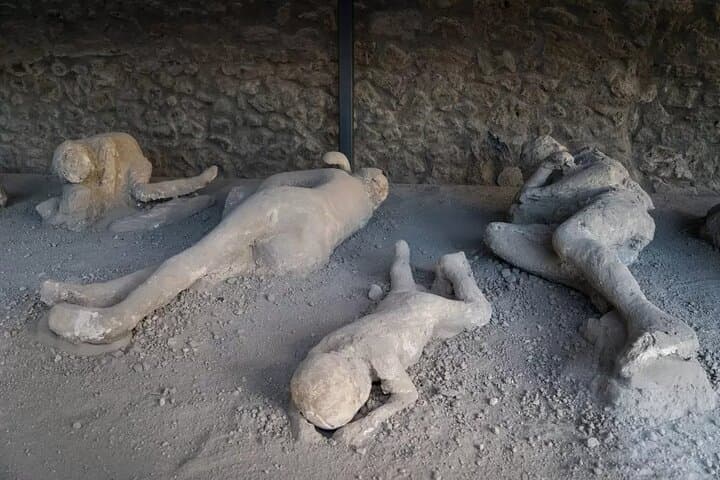
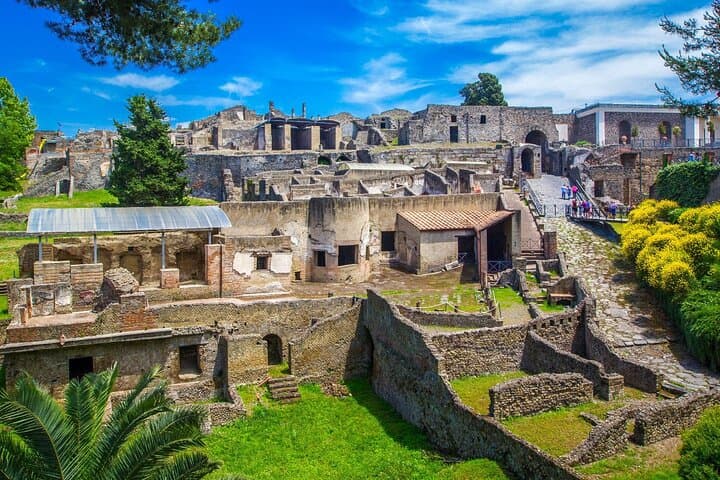
Pompeii’s streets froze in 79 AD when Vesuvius erupted, burying Roman shops, baths and homes in pumice and ash. The volcano’s geology—porous lava and mineral-rich tephra—gives its slopes a unique terroir. That same soil shapes the savory, mineral-driven wines of Lacryma Christi, historically prized by locals and Romans alike.
In the afternoon the tour moves from ruins to rows: a walk through terraced vineyards on Vesuvius’s slopes, where trained vines lean into the Gulf of Naples and Capri appears on the horizon. Vineyard staff explain root systems in volcanic soils and grape varieties adapted to heat and wind; the tasting pairs Lacryma Christi and other local wines with bread, cheeses and cured meats for a clear sense of place.
Practicalities: expect about 8 hours including transport; wear sturdy, closed-toe shoes for uneven archaeological stone and compacted vineyard paths. Bring a hat, sunscreen and a reusable water bottle—summer can be intense, while occasional wind from the sea chills spring and fall. Mobility-accessible options exist, but ask ahead for vehicle pickup and terrain specifics. This is a cultural and outdoor day that balances gentle walking with concentrated historical immersion and sensory tasting—Vesuvius asks you to pay attention, not rush.
moderate.
8 hours.
Light to moderate fitness: able to walk several kilometers on uneven ground and climb short vineyard terraces; not technically demanding.
Many transport options and some site areas are accessible, but Pompeii has uneven surfaces; notify the operator in advance to confirm logistic and mobility accommodations.
Yes—skip‑the‑line entry for Pompeii and the wine tasting lunch are included as part of the full‑day private tour.
Expect several kilometers of walking across archaeological grounds and vineyard paths, with frequent stops led by your private guide.
Children can join; under‑18s cannot be served alcohol. Infant seats and stroller options are available—confirm when booking.
Pompeii was buried by Vesuvius in 79 AD; its preserved homes and frescoes provide a rare snapshot of Roman daily life. Local winemaking traces back to Roman times, with Lacryma Christi tied to volcanic soils and regional tradition.
High visitor numbers stress fragile frescoes and structures—stick to marked paths, avoid touching surfaces and follow guide instructions to help protect the site.
Top Excursion Sorrento operates guided outdoor trips and adventures with an emphasis on safety, stewardship, and memorable experiences.
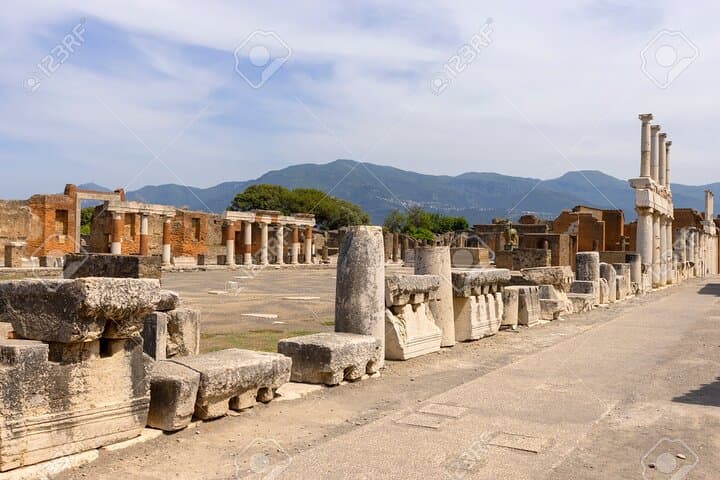

You step out of the air‑conditioned vehicle into a sunlit avenue of crumbling columns; the ground underfoot still remembers heat and ash while Vesuvius fills the skyline like a watchful neighbor. A private guide leads you through plastered streets and shadowed houses, pausing at a frescoed wall where everyday life suddenly becomes a locked-in moment.
You step out of the air‑conditioned vehicle into a sunlit avenue of crumbling columns; the ground underfoot still remembers heat and ash while Vesuvius fills the skyline like a watchful neighbor. A private guide leads you through plastered streets and shadowed houses, pausing at a frescoed wall where everyday life suddenly becomes a locked-in moment.
Pompeii’s streets froze in 79 AD when Vesuvius erupted, burying Roman shops, baths and homes in pumice and ash. The volcano’s geology—porous lava and mineral-rich tephra—gives its slopes a unique terroir. That same soil shapes the savory, mineral-driven wines of Lacryma Christi, historically prized by locals and Romans alike.
In the afternoon the tour moves from ruins to rows: a walk through terraced vineyards on Vesuvius’s slopes, where trained vines lean into the Gulf of Naples and Capri appears on the horizon. Vineyard staff explain root systems in volcanic soils and grape varieties adapted to heat and wind; the tasting pairs Lacryma Christi and other local wines with bread, cheeses and cured meats for a clear sense of place.
Practicalities: expect about 8 hours including transport; wear sturdy, closed-toe shoes for uneven archaeological stone and compacted vineyard paths. Bring a hat, sunscreen and a reusable water bottle—summer can be intense, while occasional wind from the sea chills spring and fall. Mobility-accessible options exist, but ask ahead for vehicle pickup and terrain specifics. This is a cultural and outdoor day that balances gentle walking with concentrated historical immersion and sensory tasting—Vesuvius asks you to pay attention, not rush.