THE ADVENTURE COLLECTIVE® · Independent discovery and booking for outdoor travel

See Pompeii’s amphitheatre, Forum, and private houses in a focused two-hour walk led by an archaeologist. Perfect for travelers who want concentrated historical insight without a full-day commitment.
See Pompeii’s amphitheatre, Forum, and private houses in a focused two-hour walk led by an archaeologist. Perfect for travelers who want concentrated historical insight without a full-day commitment.
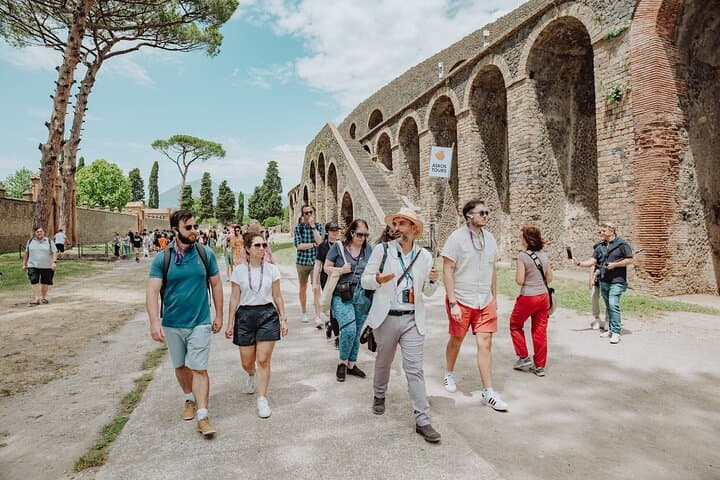
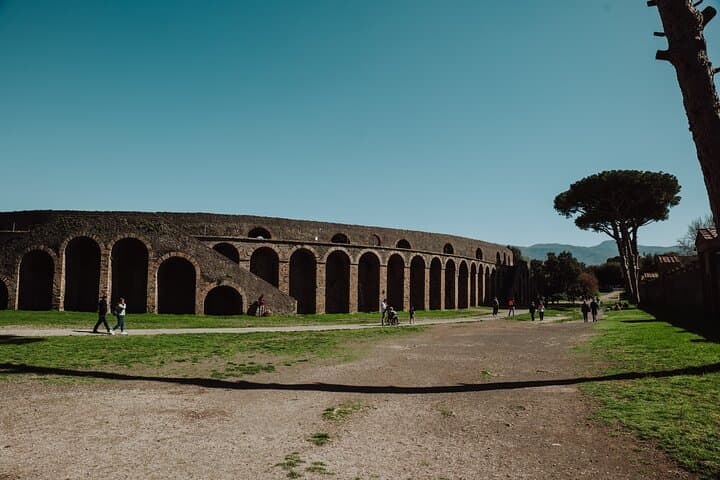
You step through the Amphitheatre Gate and the city opens like a map of frozen lives: narrow streets, faded frescoes, and the wide sweep of the arena where crowds once roared.
Verified experiences and guided adventures in the surrounding area.
Operated by Askos Tours · Pompeii, Campania
You step through the Amphitheatre Gate and the city opens like a map of frozen lives: narrow streets, faded frescoes, and the wide sweep of the arena where crowds once roared.
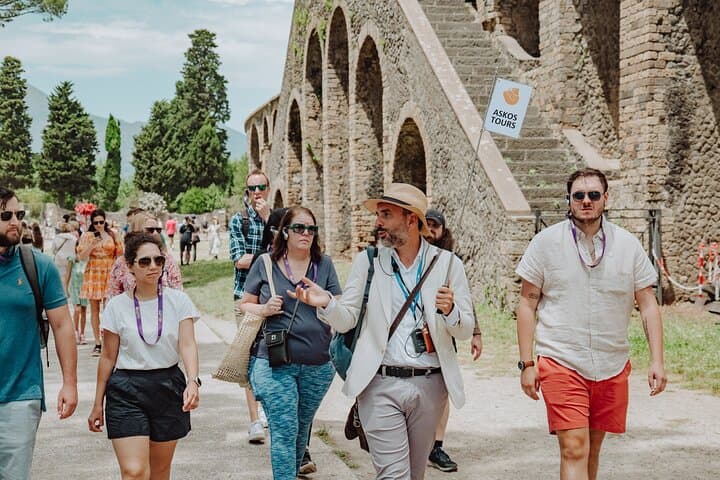
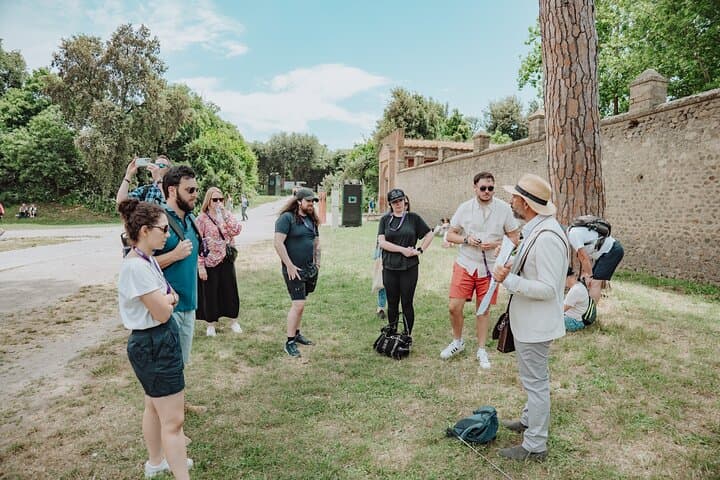
Guided by a professional archaeologist, this tight two-hour walk concentrates on Pompeii’s most evocative public spaces — the amphitheatre, the Forum, and private houses that reveal daily Roman routines. The tour moves from the oldest stone amphitheatre, where gladiators and civic ceremonies shaped public culture, to the Praedia of Julia Felix, an urban estate with refined frescoes and traces of elite life.
Pompeii sits in the shadow of Mount Vesuvius, a volcanic silhouette that explains the city’s abrupt end in AD 79 and the thin layer of ash that preserved architecture, tools, and organic impressions. The streets themselves are geological records: basalt paving stones, raised crossings to keep carts dry, and drains that still hint at ancient urban planning. Local culture here is quiet and tactile — stonework, mosaics, and the occasional market stall outside the park.
Practical guidance: wear comfortable walking shoes and expect uneven stone streets and short uphill sections; the route is largely flat but requires steady footing. Bring water and sun protection in summer, and a light rain layer in shoulder seasons. Carry a valid ID, and arrive early if you want quieter photos before day tour traffic builds.
This tour is ideal for travelers who want concentrated, expert-led context rather than a full-day excavation trek. The pace is brisk, the insights specific, and the setting unforgettable.
easy.
2 hours.
Suitable for most fitness levels; requires 1–2 miles of walking on uneven surfaces and standing during explanations
The tour is two hours with approximately 1–2 miles of walking on mostly flat but uneven archaeological streets; there are several short standing stops.
Yes—it's rated easy and suitable for a wide age range, but the uneven ground can be challenging for those with significant mobility issues.
Yes. The tour includes a Pompeii Express skip-the-line entrance ticket and a headset so you can hear the archaeologist clearly.
Bring a valid ID, water, sun protection or a light rain jacket depending on season; restrooms are available at entrance and select site locations.
Pompeii was buried by Vesuvius in AD 79, preserving streets, homes, and public buildings under volcanic ash and pumice that archaeologists continue to study.
Foot traffic and weathering threaten fragile frescoes and pavements; stick to marked paths, avoid touching walls, and follow guide instructions to help preserve the ruins.
Askos Tours operates guided outdoor trips and adventures with an emphasis on safety, stewardship, and memorable experiences.
You step through the Amphitheatre Gate and the city opens like a map of frozen lives: narrow streets, faded frescoes, and the wide sweep of the arena where crowds once roared.
You step through the Amphitheatre Gate and the city opens like a map of frozen lives: narrow streets, faded frescoes, and the wide sweep of the arena where crowds once roared.
Guided by a professional archaeologist, this tight two-hour walk concentrates on Pompeii’s most evocative public spaces — the amphitheatre, the Forum, and private houses that reveal daily Roman routines. The tour moves from the oldest stone amphitheatre, where gladiators and civic ceremonies shaped public culture, to the Praedia of Julia Felix, an urban estate with refined frescoes and traces of elite life.
Pompeii sits in the shadow of Mount Vesuvius, a volcanic silhouette that explains the city’s abrupt end in AD 79 and the thin layer of ash that preserved architecture, tools, and organic impressions. The streets themselves are geological records: basalt paving stones, raised crossings to keep carts dry, and drains that still hint at ancient urban planning. Local culture here is quiet and tactile — stonework, mosaics, and the occasional market stall outside the park.
Practical guidance: wear comfortable walking shoes and expect uneven stone streets and short uphill sections; the route is largely flat but requires steady footing. Bring water and sun protection in summer, and a light rain layer in shoulder seasons. Carry a valid ID, and arrive early if you want quieter photos before day tour traffic builds.
This tour is ideal for travelers who want concentrated, expert-led context rather than a full-day excavation trek. The pace is brisk, the insights specific, and the setting unforgettable.