THE ADVENTURE COLLECTIVE® · Independent discovery and booking for outdoor travel

Walk through Roman streets frozen by ash, explore the better-preserved ruins of Herculaneum, then climb to Vesuvius’ crater rim for panoramic views of the Gulf of Naples. This small-group day pairs archaeology with a volcanic hike and local insight.
Walk through Roman streets frozen by ash, explore the better-preserved ruins of Herculaneum, then climb to Vesuvius’ crater rim for panoramic views of the Gulf of Naples. This small-group day pairs archaeology with a volcanic hike and local insight.
You step off the van and the Gulf of Naples opens across the road, a pale blue mirror below Vesuvius’ rim. Heat from the volcanic cone carries a dry, mineral edge; the driver closes the van doors and the stones of ancient streets invite your feet.
Verified experiences and guided adventures in the surrounding area.
Operated by starlimousineitaly · Naples, Campania
You step off the van and the Gulf of Naples opens across the road, a pale blue mirror below Vesuvius’ rim. Heat from the volcanic cone carries a dry, mineral edge; the driver closes the van doors and the stones of ancient streets invite your feet.
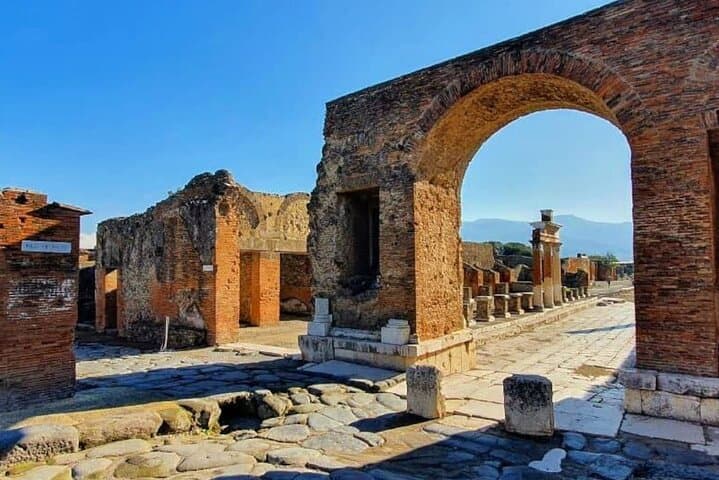
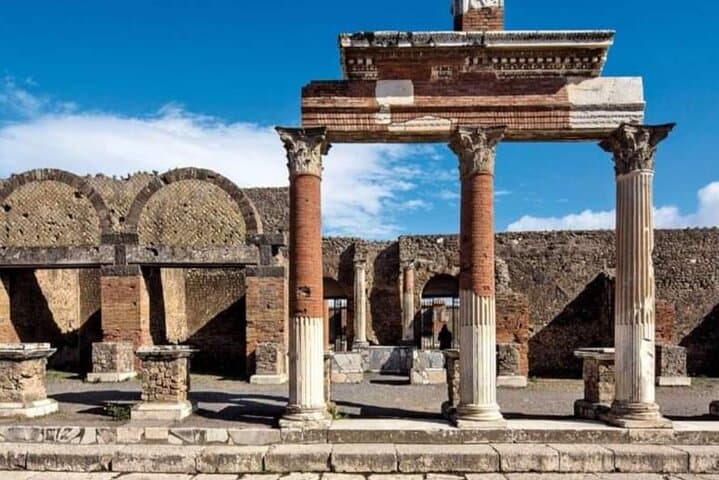
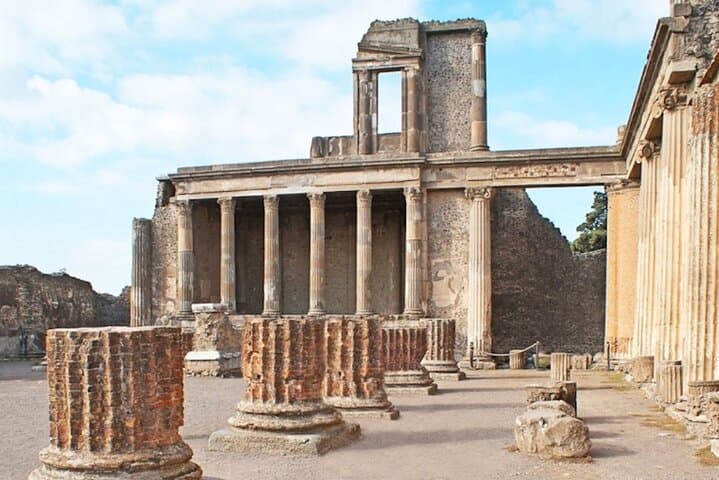
This small-group loop moves from Pompeii’s sun-baked cardo to Herculaneum’s shadowed alleys and up the crater path of Vesuvius. Pompeii records daily Roman life frozen under ash—houses, bakeries, frescoed walls—while Herculaneum’s timber and organic remains survived in deeper, hotter flows, offering denser preservation. Geologically the region is a patchwork of pyroclastic deposits and lava beds from repeated eruptions of the Campanian volcanic arc; Vesuvius’ last major eruption reshaped coastlines and culture, and its slopes still vent warm gases.
Culturally, the day blends archaeology with modern Campania: street markets, robust espresso, and drivers who double as interpreters of local history. Expect clear, stony paths through ruins, uneven steps, and a steep, dusty climb to Vesuvius’ crater rim where the wind feels like the volcano announcing itself.
Practical guidance: wear sturdy walking shoes and sun protection, carry 1–2 liters of water, and be prepared for crowds in peak season. The tour runs about eight hours with short transit legs; admission to sites is typically separate—confirm tickets before you go. If you’re interested in photography, bring a wide lens for expansive Gulf of Naples views and a small tripod for low-light interiors. Time your visit for morning to avoid the hottest hours on the volcano and to catch the ruins in the best light.
moderate.
8 hours.
Moderate fitness; able to walk several kilometers over uneven ground and climb steep, rocky volcanic paths.
Admission is often not included; check the booking details and be prepared to purchase tickets on-site or online in advance to skip queues.
The crater path is a steep, uneven hike of roughly 20–30 minutes from the parking area—moderate effort with loose volcanic scree underfoot.
Transport options list wheelchair accessibility, but some archaeological areas and the volcano rim have uneven terrain; accessibility inside specific ruins may be limited.
The tour provides an English-speaking driver and on-board explanations; multilingual options may be available depending on the operator.
Vesuvius’ AD 79 eruption buried Pompeii and Herculaneum under ash and pyroclastic flows; the disaster preserved urban details that shape our understanding of Roman daily life.
Archaeological sites face erosion and visitor pressure; follow marked paths, avoid touching frescoes, and support conservation by using official guides and visiting during off-peak times.
starlimousineitaly operates guided outdoor trips and adventures with an emphasis on safety, stewardship, and memorable experiences.
You step off the van and the Gulf of Naples opens across the road, a pale blue mirror below Vesuvius’ rim. Heat from the volcanic cone carries a dry, mineral edge; the driver closes the van doors and the stones of ancient streets invite your feet.
You step off the van and the Gulf of Naples opens across the road, a pale blue mirror below Vesuvius’ rim. Heat from the volcanic cone carries a dry, mineral edge; the driver closes the van doors and the stones of ancient streets invite your feet.
This small-group loop moves from Pompeii’s sun-baked cardo to Herculaneum’s shadowed alleys and up the crater path of Vesuvius. Pompeii records daily Roman life frozen under ash—houses, bakeries, frescoed walls—while Herculaneum’s timber and organic remains survived in deeper, hotter flows, offering denser preservation. Geologically the region is a patchwork of pyroclastic deposits and lava beds from repeated eruptions of the Campanian volcanic arc; Vesuvius’ last major eruption reshaped coastlines and culture, and its slopes still vent warm gases.
Culturally, the day blends archaeology with modern Campania: street markets, robust espresso, and drivers who double as interpreters of local history. Expect clear, stony paths through ruins, uneven steps, and a steep, dusty climb to Vesuvius’ crater rim where the wind feels like the volcano announcing itself.
Practical guidance: wear sturdy walking shoes and sun protection, carry 1–2 liters of water, and be prepared for crowds in peak season. The tour runs about eight hours with short transit legs; admission to sites is typically separate—confirm tickets before you go. If you’re interested in photography, bring a wide lens for expansive Gulf of Naples views and a small tripod for low-light interiors. Time your visit for morning to avoid the hottest hours on the volcano and to catch the ruins in the best light.