THE ADVENTURE COLLECTIVE® · Independent discovery and booking for outdoor travel

Spend a day tracing Roman life frozen in ash and climbing the crater of Vesuvius. This private tour combines guided archaeology in Pompeii and Herculaneum with a short, rewarding hike to the volcano’s rim.
Spend a day tracing Roman life frozen in ash and climbing the crater of Vesuvius. This private tour combines guided archaeology in Pompeii and Herculaneum with a short, rewarding hike to the volcano’s rim.
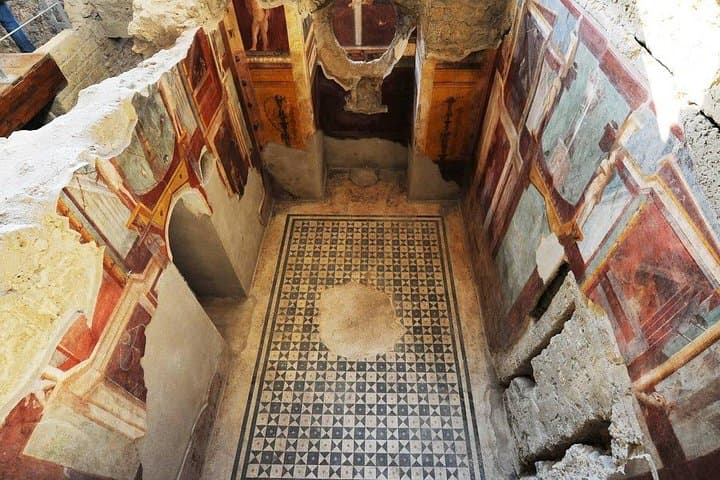
You step out of an air‑conditioned van onto sun-warmed stone and the past presses close: the broken mosaic underfoot, a plaster cast where a life once curled, and a ridge that still smells faintly of sulfur. This private run through Pompeii and Herculaneum moves from measured archaeology to the raw geology of Mount Vesuvius, offering both slow historical walks and a brisk climb to a volcanic rim.
Verified experiences and guided adventures in the surrounding area.
Operated by WanTours Italy · Pompeii, Campania
You step out of an air‑conditioned van onto sun-warmed stone and the past presses close: the broken mosaic underfoot, a plaster cast where a life once curled, and a ridge that still smells faintly of sulfur. This private run through Pompeii and Herculaneum moves from measured archaeology to the raw geology of Mount Vesuvius, offering both slow historical walks and a brisk climb to a volcanic rim.
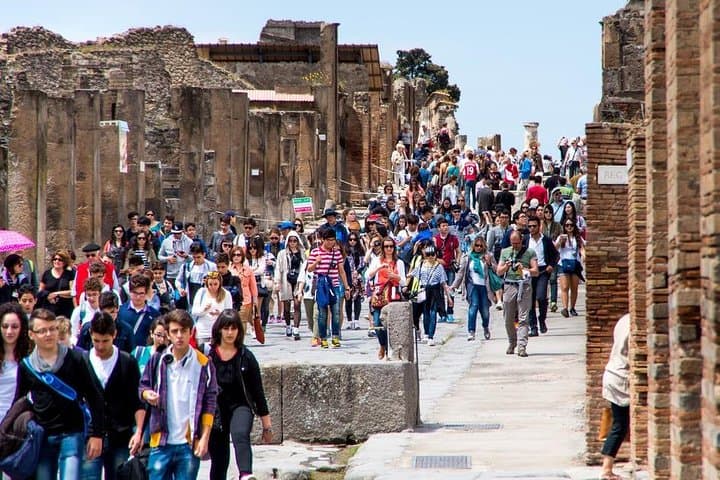
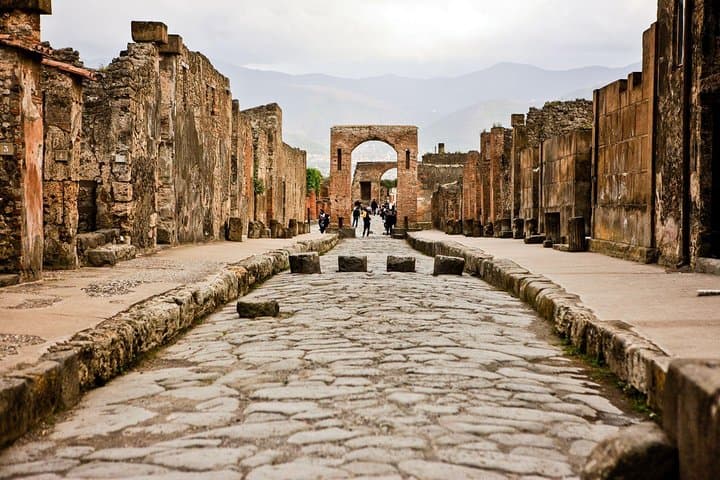
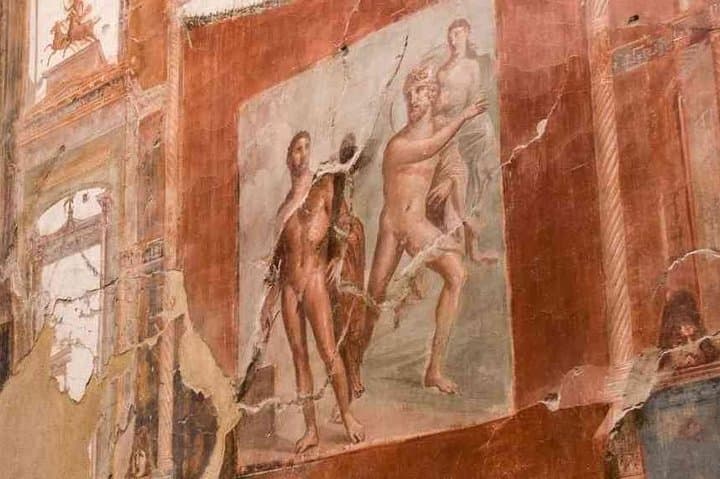
Pompeii and Herculaneum are Roman cities fossilized by Vesuvius’s AD 79 eruption—Pompeii sprawling and open, Herculaneum denser and better preserved because of the pyroclastic flows. Geologically, Vesuvius is a stratovolcano built from alternating lava and ash layers; the crater rim rewards effort with a 360° view of the Bay of Naples and the scarred slopes below.
Local culture mixes Neapolitan warmth with a strong archaeological economy: guides, conservators, and small trattorie that have fed excavation teams for generations. Practicalities matter: Vesuvius tickets are sold only via Vivaticket and often sell out, so secure them as soon as you book. Expect uneven cobbles in the sites and a steep 20–40 minute ascent from the Vesuvius trailhead—roughly 250–400 m of elevation gain on loose volcanic scree.
Bring sun protection, at least 1–2 liters of water, and footwear with firm tread; a light wind layer will be useful on the crater rim. The tour’s pace is deliberate—history in the towns, exertion at the volcano—making it a compact, sensory day that pairs archaeology with a quick but satisfying alpine feel.
moderate.
8 hours.
Moderate fitness: able to walk 2–4 miles over uneven surfaces and climb 20–40 minutes on a steady incline.
Yes—Vesuvius tickets are sold exclusively through Vivaticket online and often sell out; purchase immediately after booking the tour.
Both sites have uneven surfaces; some areas are wheelchair accessible, but full access is limited—contact the operator ahead to arrange accommodations and pickup/drop‑off details.
The final trail to the crater is a steep 20–40 minute walk with loose volcanic scree and about 250–400 m elevation gain—suitable for those comfortable with moderate uphill hiking.
Admission and certified guides are not automatically included—this private tour provides a multilingual driver and can add a certified guide for an extra fee if requested.
Pompeii and Herculaneum were buried in the AD 79 eruption of Vesuvius; excavation began in the 18th century and has continued, revealing daily Roman life preserved in ash and pyroclastic material.
Ongoing conservation balances visitor access with preservation—stay on marked paths, avoid touching artifacts, and follow guide instructions to limit wear on fragile ruins.
WanTours Italy operates guided outdoor trips and adventures with an emphasis on safety, stewardship, and memorable experiences.
You step out of an air‑conditioned van onto sun-warmed stone and the past presses close: the broken mosaic underfoot, a plaster cast where a life once curled, and a ridge that still smells faintly of sulfur. This private run through Pompeii and Herculaneum moves from measured archaeology to the raw geology of Mount Vesuvius, offering both slow historical walks and a brisk climb to a volcanic rim.
You step out of an air‑conditioned van onto sun-warmed stone and the past presses close: the broken mosaic underfoot, a plaster cast where a life once curled, and a ridge that still smells faintly of sulfur. This private run through Pompeii and Herculaneum moves from measured archaeology to the raw geology of Mount Vesuvius, offering both slow historical walks and a brisk climb to a volcanic rim.
Pompeii and Herculaneum are Roman cities fossilized by Vesuvius’s AD 79 eruption—Pompeii sprawling and open, Herculaneum denser and better preserved because of the pyroclastic flows. Geologically, Vesuvius is a stratovolcano built from alternating lava and ash layers; the crater rim rewards effort with a 360° view of the Bay of Naples and the scarred slopes below.
Local culture mixes Neapolitan warmth with a strong archaeological economy: guides, conservators, and small trattorie that have fed excavation teams for generations. Practicalities matter: Vesuvius tickets are sold only via Vivaticket and often sell out, so secure them as soon as you book. Expect uneven cobbles in the sites and a steep 20–40 minute ascent from the Vesuvius trailhead—roughly 250–400 m of elevation gain on loose volcanic scree.
Bring sun protection, at least 1–2 liters of water, and footwear with firm tread; a light wind layer will be useful on the crater rim. The tour’s pace is deliberate—history in the towns, exertion at the volcano—making it a compact, sensory day that pairs archaeology with a quick but satisfying alpine feel.