THE ADVENTURE COLLECTIVE® · Independent discovery and booking for outdoor travel

See Pompeii’s plaster casts, wander Herculaneum’s frescoed houses and ascend Mount Vesuvius in a single full-day trip from Naples. This practical guide outlines what to expect—terrain, timing and essential gear—to make the most of a packed day of history and volcanic geology.
See Pompeii’s plaster casts, wander Herculaneum’s frescoed houses and ascend Mount Vesuvius in a single full-day trip from Naples. This practical guide outlines what to expect—terrain, timing and essential gear—to make the most of a packed day of history and volcanic geology.
You step off an air-conditioned coach into a sweep of sun and stone: the Gulf of Naples glitters below and the cone of Vesuvius looms to the east, its fumaroles quietly daring you to climb. The day moves fast—two archaeological sites frozen by the AD 79 eruption and a volcanic peak that still breathes—so the rhythm is purposeful rather than leisurely.
Verified experiences and guided adventures in the surrounding area.
Operated by Visiting Campania · Naples, Campania
You step off an air-conditioned coach into a sweep of sun and stone: the Gulf of Naples glitters below and the cone of Vesuvius looms to the east, its fumaroles quietly daring you to climb. The day moves fast—two archaeological sites frozen by the AD 79 eruption and a volcanic peak that still breathes—so the rhythm is purposeful rather than leisurely.
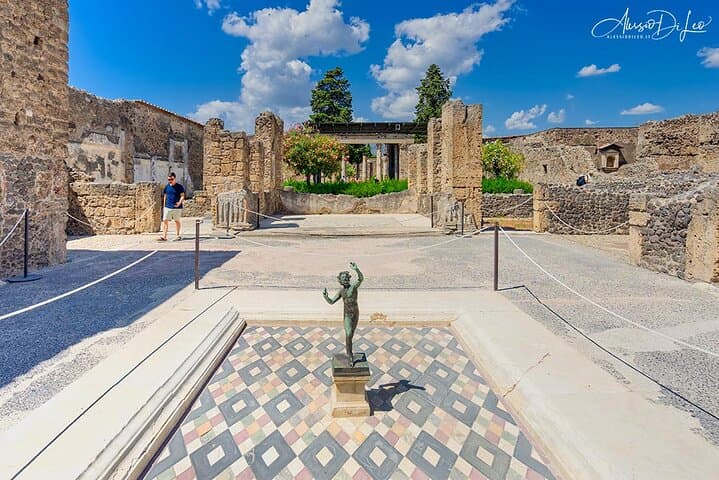
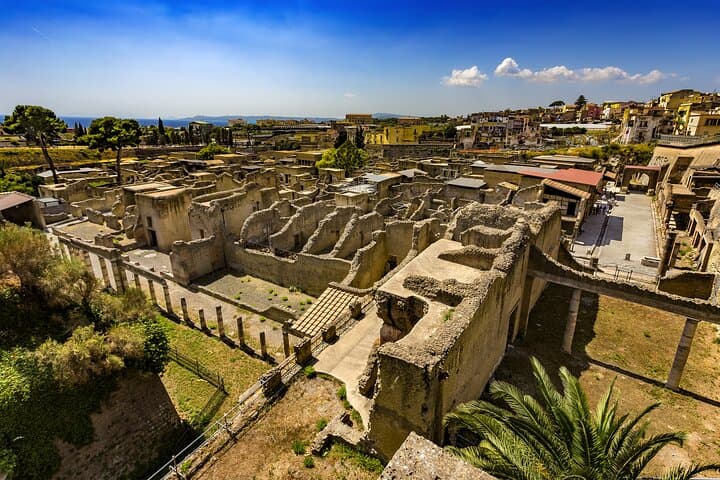
Pompeii and Herculaneum are living classrooms of Roman life. Streets, thermal baths, plaster casts of victims and frescoed houses show how ash and pumice locked everyday details in time. Herculaneum’s wooden structures and the Villa dei Papiri survived under thicker, more compacted material, preserving organic features you won’t find elsewhere.
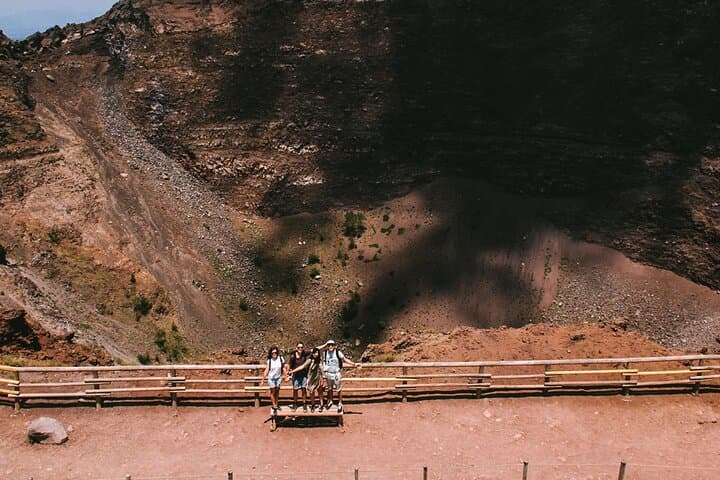
Geology takes center stage at Vesuvius. The volcano’s stratified slopes of tuff and lava flows reveal eruptions layered over millennia; from the crater rim you’ll see Naples, the Sorrentine coast and islands—an unmistakable reminder of the landscape that both nourished and threatened ancient cities.
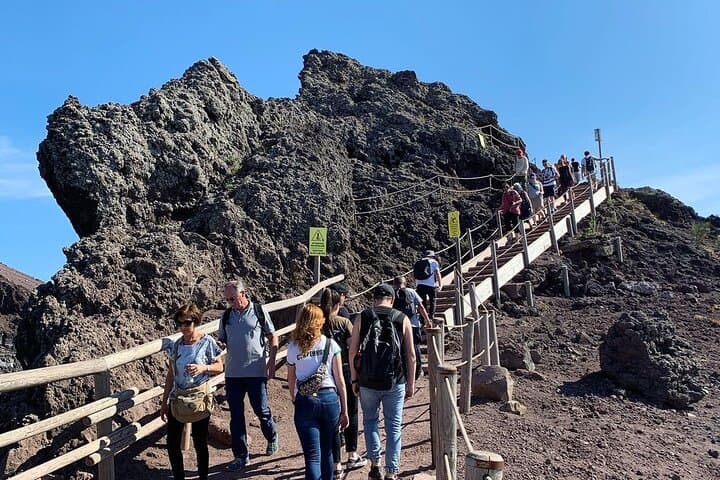
Practical guidance: the full excursion runs about 7–8 hours with roughly 25 minutes of uphill walking from the park stop to the crater rim; terrain on Vesuvius is loose volcanic scree and uneven; ruins have cobbles and steps. Expect a mix of paved and rough surfaces, limited shade, and half-day segments at each site. Bring 1–2 liters of water, sun protection, sturdy shoes and the audio guide for Pompeii to make the most of self-guided time.
Timing, fitness and weather matter—check forecasts and note the operator’s advisories for cardiovascular and pregnancy restrictions. Plan for a long, concentrated day: it rewards you with rare close-up history and a volcanic summit view that frames the story of the eruption itself.
moderate.
7–8 hours.
Suitable for travelers with a moderate fitness level who can walk on uneven ground and manage a short uphill hike (~25 minutes) to the crater rim.
Yes—this tour includes entrance tickets for Pompeii, Herculaneum and Vesuvius as stated, though local fees or taxes are covered by the operator.
The walk from the park stop to the crater rim takes about 20–30 minutes over loose volcanic scree and short steep sections; it's moderate but not technical.
Lunch is not typically included; some operators stop near villages with cafes, but bring snacks if you prefer to control timing.
This excursion is not recommended for pregnant travelers or those with serious cardiovascular or spinal issues due to the hike and extended standing/walking.
Pompeii and Herculaneum were rapidly buried by the AD 79 eruption of Vesuvius; excavations since the 18th century have revealed urban plans and everyday objects preserved under ash.
Both archaeological parks work to balance preservation with visitor access—stay on marked paths and avoid touching frescoes or artifacts to minimize wear.
Visiting Campania operates guided outdoor trips and adventures with an emphasis on safety, stewardship, and memorable experiences.
You step off an air-conditioned coach into a sweep of sun and stone: the Gulf of Naples glitters below and the cone of Vesuvius looms to the east, its fumaroles quietly daring you to climb. The day moves fast—two archaeological sites frozen by the AD 79 eruption and a volcanic peak that still breathes—so the rhythm is purposeful rather than leisurely.
You step off an air-conditioned coach into a sweep of sun and stone: the Gulf of Naples glitters below and the cone of Vesuvius looms to the east, its fumaroles quietly daring you to climb. The day moves fast—two archaeological sites frozen by the AD 79 eruption and a volcanic peak that still breathes—so the rhythm is purposeful rather than leisurely.
Pompeii and Herculaneum are living classrooms of Roman life. Streets, thermal baths, plaster casts of victims and frescoed houses show how ash and pumice locked everyday details in time. Herculaneum’s wooden structures and the Villa dei Papiri survived under thicker, more compacted material, preserving organic features you won’t find elsewhere.
Geology takes center stage at Vesuvius. The volcano’s stratified slopes of tuff and lava flows reveal eruptions layered over millennia; from the crater rim you’ll see Naples, the Sorrentine coast and islands—an unmistakable reminder of the landscape that both nourished and threatened ancient cities.
Practical guidance: the full excursion runs about 7–8 hours with roughly 25 minutes of uphill walking from the park stop to the crater rim; terrain on Vesuvius is loose volcanic scree and uneven; ruins have cobbles and steps. Expect a mix of paved and rough surfaces, limited shade, and half-day segments at each site. Bring 1–2 liters of water, sun protection, sturdy shoes and the audio guide for Pompeii to make the most of self-guided time.
Timing, fitness and weather matter—check forecasts and note the operator’s advisories for cardiovascular and pregnancy restrictions. Plan for a long, concentrated day: it rewards you with rare close-up history and a volcanic summit view that frames the story of the eruption itself.