THE ADVENTURE COLLECTIVE® · Independent discovery and booking for outdoor travel

Spend a single day from Naples exploring two Roman cities frozen by Vesuvius and hiking to the crater rim. This practical guide outlines what to expect—terrain, timing, and must-see highlights—so you can focus on history and views.
Spend a single day from Naples exploring two Roman cities frozen by Vesuvius and hiking to the crater rim. This practical guide outlines what to expect—terrain, timing, and must-see highlights—so you can focus on history and views.
Morning light washes over the Bay of Naples as the minibus pulls away from the harbor and the silhouette of Vesuvius grows larger—a dark cone rising above terraced vineyards and modern suburbs. The day unfolds as a compact equation of past and present: two Roman cities frozen by the 79 AD eruption and a living volcano that still shapes the coastline.
Verified experiences and guided adventures in the surrounding area.
Operated by Di Sarno Car Service - Tours & Excursions · Naples, Campania
Morning light washes over the Bay of Naples as the minibus pulls away from the harbor and the silhouette of Vesuvius grows larger—a dark cone rising above terraced vineyards and modern suburbs. The day unfolds as a compact equation of past and present: two Roman cities frozen by the 79 AD eruption and a living volcano that still shapes the coastline.
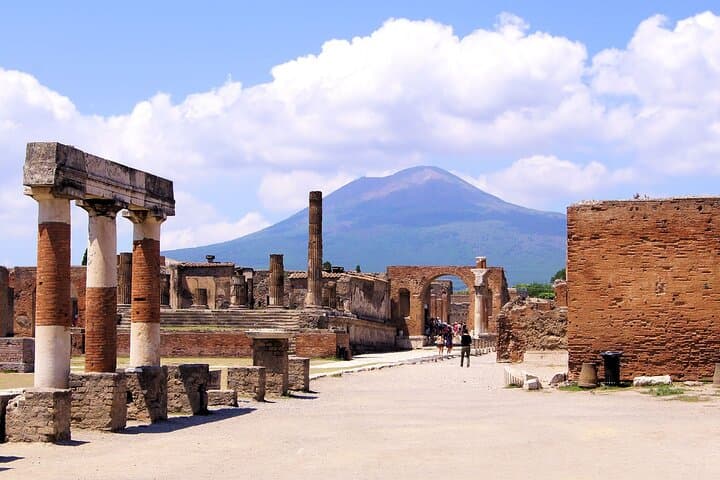
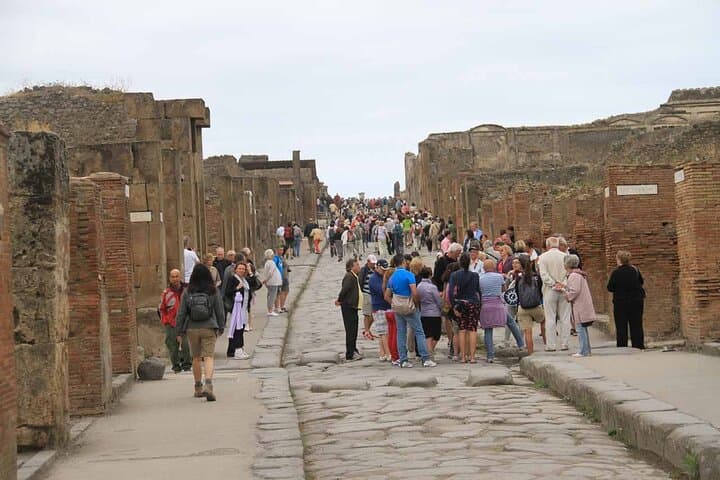
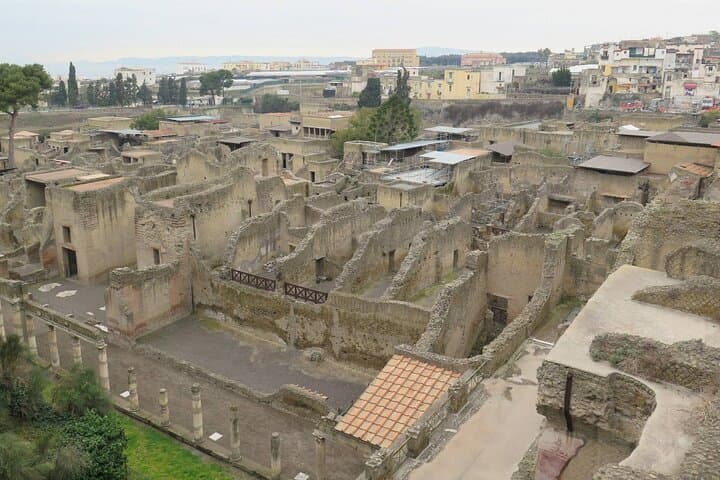
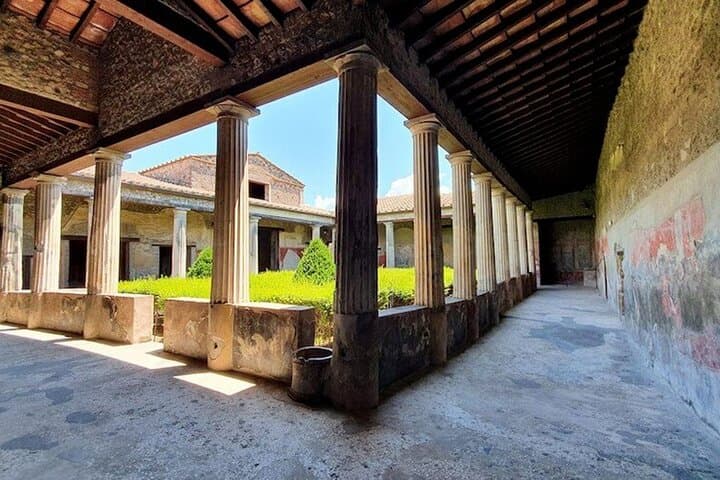
Herculaneum and Pompeii are complementary classrooms. Herculaneum, buried by a denser pyroclastic surge, preserves wooden beams, multi-story homes and the Villa of the Papyri’s scrolls with an intimacy Pompeii’s wider streets don’t always convey. Pompeii lays out civic life—forums, baths and theaters—where mosaics and plaster casts map daily routines. Geologically, Mount Vesuvius sits on the Campanian volcanic arc; its summit at about 1,281 m offers a short but steep volcanic trail to a smoke-ringed crater rim and panoramic views of Naples, Capri and the Amalfi coast.
For travelers this is a practical day: guided transfers, entrance included for Vesuvius, and scheduled time at each site. Expect uneven archaeological paths, volcanic scree on the Vesuvius ascent, and sun exposure on open ruins. Pace your visit—arrive early at Pompeii when frescoes and arcades are cooler, and reserve pockets of time for photos without blocking pathways.
Bring sturdy shoes, sun protection, and water; be prepared for short uphill hiking at Vesuvius and much walking across archaeological terrain. With thoughtful packing and reasonable fitness, the loop from Naples through buried cities to a volcanic summit is both accessible and memorable.
moderate.
8 hours.
Comfortable walking fitness for several hours and short uphill hiking; able to manage stairs and uneven ground.
The final trail to the crater rim is a short, steep walk over volcanic rock and scree that takes about 20–40 minutes round-trip from the parking area; moderate fitness is sufficient.
Yes, the tour includes the Vesuvius entrance ticket; check your booking for details on Pompeii and Herculaneum access which are covered per the tour description.
The transfer vehicle and some portions are accessible, but archaeological sites include uneven terrain and steps—full access at ruins may be limited, so notify the operator in advance to arrange accommodations.
Yes—families can participate, but infants should have their own seat on the minibus; prepare for a lot of walking and supervise children around exposed ruins and the crater rim.
The 79 AD eruption of Vesuvius buried Pompeii under ash and Herculaneum under a hotter pyroclastic flow, preserving different aspects of Roman life and architecture.
Sites are actively conserved; visitors should avoid touching surfaces and stay on marked paths—ongoing restoration projects rely on controlled visitor access and funding.
Di Sarno Car Service - Tours & Excursions operates guided outdoor trips and adventures with an emphasis on safety, stewardship, and memorable experiences.
Morning light washes over the Bay of Naples as the minibus pulls away from the harbor and the silhouette of Vesuvius grows larger—a dark cone rising above terraced vineyards and modern suburbs. The day unfolds as a compact equation of past and present: two Roman cities frozen by the 79 AD eruption and a living volcano that still shapes the coastline.
Morning light washes over the Bay of Naples as the minibus pulls away from the harbor and the silhouette of Vesuvius grows larger—a dark cone rising above terraced vineyards and modern suburbs. The day unfolds as a compact equation of past and present: two Roman cities frozen by the 79 AD eruption and a living volcano that still shapes the coastline.
Herculaneum and Pompeii are complementary classrooms. Herculaneum, buried by a denser pyroclastic surge, preserves wooden beams, multi-story homes and the Villa of the Papyri’s scrolls with an intimacy Pompeii’s wider streets don’t always convey. Pompeii lays out civic life—forums, baths and theaters—where mosaics and plaster casts map daily routines. Geologically, Mount Vesuvius sits on the Campanian volcanic arc; its summit at about 1,281 m offers a short but steep volcanic trail to a smoke-ringed crater rim and panoramic views of Naples, Capri and the Amalfi coast.
For travelers this is a practical day: guided transfers, entrance included for Vesuvius, and scheduled time at each site. Expect uneven archaeological paths, volcanic scree on the Vesuvius ascent, and sun exposure on open ruins. Pace your visit—arrive early at Pompeii when frescoes and arcades are cooler, and reserve pockets of time for photos without blocking pathways.
Bring sturdy shoes, sun protection, and water; be prepared for short uphill hiking at Vesuvius and much walking across archaeological terrain. With thoughtful packing and reasonable fitness, the loop from Naples through buried cities to a volcanic summit is both accessible and memorable.