THE ADVENTURE COLLECTIVE® · Independent discovery and booking for outdoor travel

Walk Pompeii’s streets, step into Herculaneum’s well-preserved houses and climb to the crater rim of Vesuvius on a guided small-group day tour from Naples. Expect uneven ruins, volcanic scree and panoramic Gulf views.
Walk Pompeii’s streets, step into Herculaneum’s well-preserved houses and climb to the crater rim of Vesuvius on a guided small-group day tour from Naples. Expect uneven ruins, volcanic scree and panoramic Gulf views.
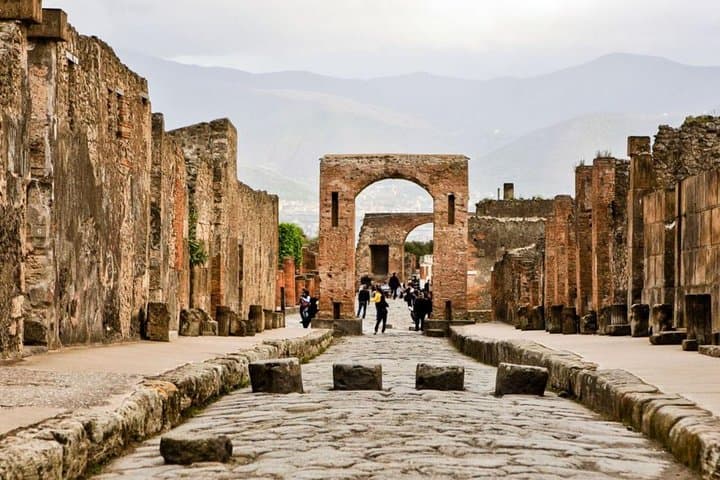
You step from an air-conditioned minivan into a Roman street where sunlight strips the plaster from villa walls and the stones underfoot remember chariot wheels.
Verified experiences and guided adventures in the surrounding area.
Operated by WanTours Italy · Pompeii, Campania
You step from an air-conditioned minivan into a Roman street where sunlight strips the plaster from villa walls and the stones underfoot remember chariot wheels.
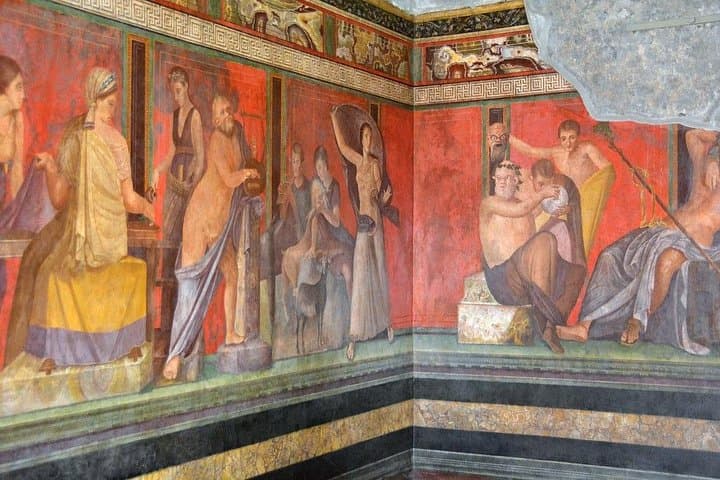
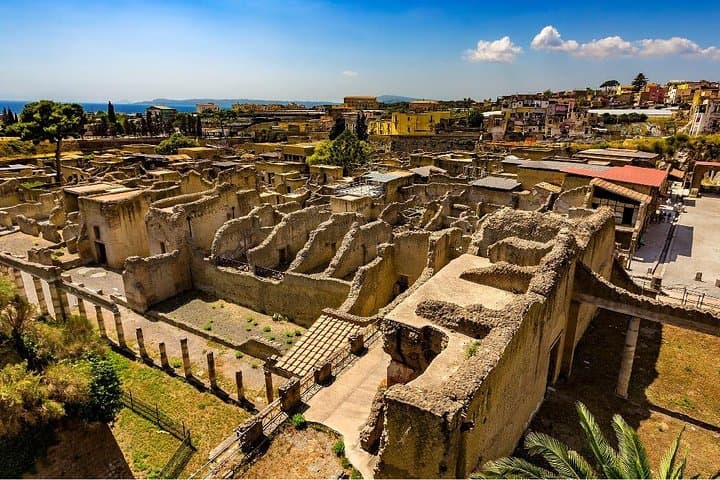
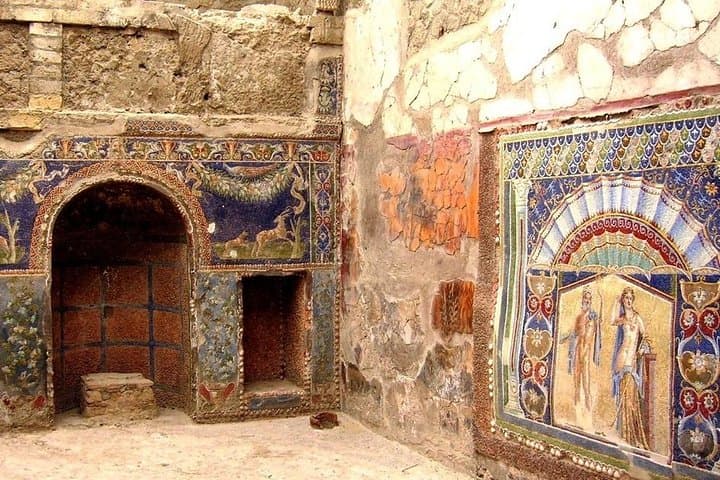
This full-day small-group tour threads three linked chapters of one volcanic story: Pompeii’s open-air neighborhoods frozen beneath ash, Herculaneum’s waterlogged houses with preserved wood and mosaics, and the gravel trail that climbs to Mount Vesuvius’s rim for a panoramic view of the Gulf of Naples. Geologically the area is dominated by Vesuvius — a stratovolcano whose AD 79 eruption produced ash, lapilli and pyroclastic flows that entombed cities and rewrote the coastline. Culturally you’ll see everyday Roman life preserved in frescoes, bakeries and bath complexes and learn how a single eruption shaped local settlement patterns and agriculture for centuries.
On the ground expect cobbled lanes, uneven stone steps and dusty paths. The Vesuvius segment is a roughly 1 km uphill trail from the parking area with about 200–300 m of elevation gain, loose volcanic scree underfoot and exposed sun. Guides typically handle entrances and logistics; the tour includes certified guides at Pompeii and Herculaneum and the Vesuvius entrance fee.
Practical guidance: start early to avoid the hottest hours, wear closed, grippy shoes, bring at least 1–2 liters of water and sun protection, and keep to marked routes to protect fragile archaeology. The day balances walking and explanation — it’s history, geology and a workout rolled into one.
moderate.
8 hours.
Moderate fitness: comfortable walking for several hours and a short uphill hike with loose footing; not technically demanding.
The tour includes certified guides for Pompeii and Herculaneum and the Vesuvius entrance ticket (noted as €12 per person).
The Vesuvius approach is a roughly 1 km uphill path with 200–300 m elevation gain and loose volcanic gravel; it’s a steady walk rather than technical climbing.
The itinerary is promoted as suitable for a wide range of fitness levels, but uneven surfaces and the crater trail may be challenging for very young children or those with limited mobility.
Vesuvius entrance is included; bring small cash for souvenirs or optional snacks at visitor kiosks, though bottled water is often provided on tour.
The AD 79 eruption from Vesuvius buried Pompeii and Herculaneum under ash and pyroclastic material, preserving buildings and daily objects in remarkable detail.
Sites are fragile — follow marked routes and photography rules, avoid touching fragile surfaces, and support conservation by visiting responsibly.
WanTours Italy operates guided outdoor trips and adventures with an emphasis on safety, stewardship, and memorable experiences.
You step from an air-conditioned minivan into a Roman street where sunlight strips the plaster from villa walls and the stones underfoot remember chariot wheels.
You step from an air-conditioned minivan into a Roman street where sunlight strips the plaster from villa walls and the stones underfoot remember chariot wheels.
This full-day small-group tour threads three linked chapters of one volcanic story: Pompeii’s open-air neighborhoods frozen beneath ash, Herculaneum’s waterlogged houses with preserved wood and mosaics, and the gravel trail that climbs to Mount Vesuvius’s rim for a panoramic view of the Gulf of Naples. Geologically the area is dominated by Vesuvius — a stratovolcano whose AD 79 eruption produced ash, lapilli and pyroclastic flows that entombed cities and rewrote the coastline. Culturally you’ll see everyday Roman life preserved in frescoes, bakeries and bath complexes and learn how a single eruption shaped local settlement patterns and agriculture for centuries.
On the ground expect cobbled lanes, uneven stone steps and dusty paths. The Vesuvius segment is a roughly 1 km uphill trail from the parking area with about 200–300 m of elevation gain, loose volcanic scree underfoot and exposed sun. Guides typically handle entrances and logistics; the tour includes certified guides at Pompeii and Herculaneum and the Vesuvius entrance fee.
Practical guidance: start early to avoid the hottest hours, wear closed, grippy shoes, bring at least 1–2 liters of water and sun protection, and keep to marked routes to protect fragile archaeology. The day balances walking and explanation — it’s history, geology and a workout rolled into one.