THE ADVENTURE COLLECTIVE® · Independent discovery and booking for outdoor travel

Walk ancient streets frozen by Vesuvius with a local guide who brings Pompeii’s houses, temples, and frescoes to life. This practical two-hour tour blends archaeology, geology, and on-the-ground tips to help you make the most of the ruins.
Walk ancient streets frozen by Vesuvius with a local guide who brings Pompeii’s houses, temples, and frescoes to life. This practical two-hour tour blends archaeology, geology, and on-the-ground tips to help you make the most of the ruins.
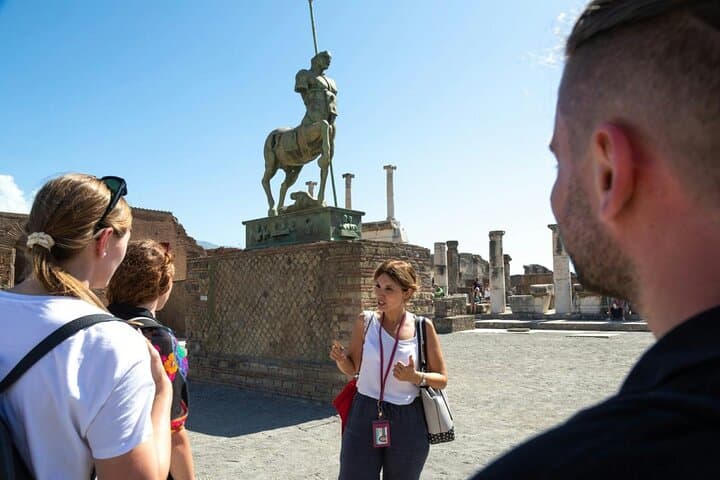
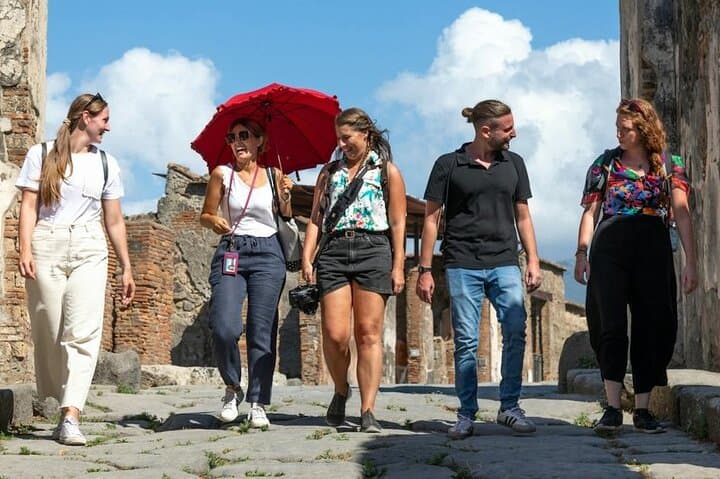
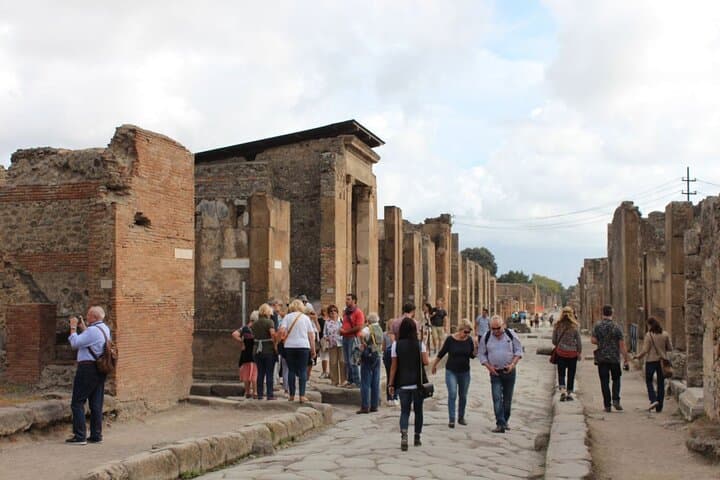
You step through a low stone gateway and the street opens—cobbles worn smooth, doorways yawning like pages from an old ledger. The guide moves ahead with measured steps, voice pulling the ruined façades into focus: frescoed walls, collapsed roofs, and plaster casts that hold human shapes frozen by ash. Mount Vesuvius watches from the distance, a silent presence that shaped both catastrophe and preservation.
Verified experiences and guided adventures in the surrounding area.
Operated by CiaoNaples - Tours & Excursions · Pompeii, Campania
You step through a low stone gateway and the street opens—cobbles worn smooth, doorways yawning like pages from an old ledger. The guide moves ahead with measured steps, voice pulling the ruined façades into focus: frescoed walls, collapsed roofs, and plaster casts that hold human shapes frozen by ash. Mount Vesuvius watches from the distance, a silent presence that shaped both catastrophe and preservation.
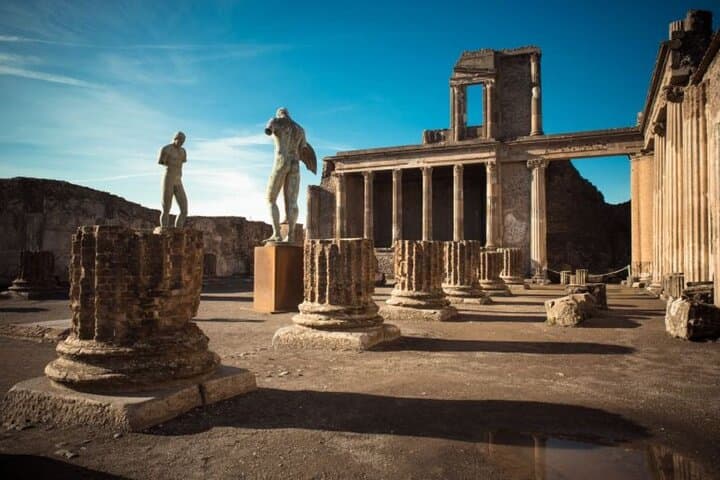
Pompeii preserves a moment from AD 79 when volcanic ash sealed an entire urban landscape. The site’s volcanic geology—pumice, ash layers, and pyroclastic deposits—accounts for the extraordinary state of preservation. Cultural details are everywhere: bakeries with millstones, graffiti on the walls, and theaters that still speak of Roman daily life. A local guide threads these details into living narratives, explaining architecture, social customs, and archaeological techniques used to reveal them.
Expect uneven ground, long stretches of sun-exposed walkways, and crowds around headline sights like the Forum and the House of the Vettii. Practical planning matters: bring a refillable water bottle, sun protection, and comfortable, grippy shoes. Tours typically last about two hours and are best scheduled early morning or late afternoon for cooler light and fewer visitors.
After the guided portion you’ll often be left with time to explore independently—follow marked paths, respect fragile surfaces, and keep to the routes to protect fragile frescoes and mosaics. Whether you come for history, archaeology, or the raw drama of landscape shaped by fire, Pompeii delivers a clear, tactile connection to a past interrupted by eruption but preserved for close study.
moderate.
2 hours.
You should be able to walk 2–3 miles on uneven surfaces and stand for extended periods; moderate fitness recommended
Admission is typically not included; you may need to purchase site entry separately—check the booking page for specifics.
Much of the site has uneven cobbles and steps; accessibility is limited and some areas are not suitable for wheelchairs.
Photography for personal use is allowed in most areas, but tripods and drones are restricted—always follow site signage and guide instructions.
Guided portions are about two hours; most tours allow additional independent exploration after the guide departs.
Pompeii was rapidly buried by the AD 79 eruption of Mount Vesuvius; the ash sealed buildings and organic materials, preserving a snapshot of Roman urban life.
Continuous conservation work aims to stabilize exposed structures; visitors should avoid touching surfaces and stay on designated paths to limit erosion and damage.
CiaoNaples - Tours & Excursions operates guided outdoor trips and adventures with an emphasis on safety, stewardship, and memorable experiences.
You step through a low stone gateway and the street opens—cobbles worn smooth, doorways yawning like pages from an old ledger. The guide moves ahead with measured steps, voice pulling the ruined façades into focus: frescoed walls, collapsed roofs, and plaster casts that hold human shapes frozen by ash. Mount Vesuvius watches from the distance, a silent presence that shaped both catastrophe and preservation.
You step through a low stone gateway and the street opens—cobbles worn smooth, doorways yawning like pages from an old ledger. The guide moves ahead with measured steps, voice pulling the ruined façades into focus: frescoed walls, collapsed roofs, and plaster casts that hold human shapes frozen by ash. Mount Vesuvius watches from the distance, a silent presence that shaped both catastrophe and preservation.
Pompeii preserves a moment from AD 79 when volcanic ash sealed an entire urban landscape. The site’s volcanic geology—pumice, ash layers, and pyroclastic deposits—accounts for the extraordinary state of preservation. Cultural details are everywhere: bakeries with millstones, graffiti on the walls, and theaters that still speak of Roman daily life. A local guide threads these details into living narratives, explaining architecture, social customs, and archaeological techniques used to reveal them.
Expect uneven ground, long stretches of sun-exposed walkways, and crowds around headline sights like the Forum and the House of the Vettii. Practical planning matters: bring a refillable water bottle, sun protection, and comfortable, grippy shoes. Tours typically last about two hours and are best scheduled early morning or late afternoon for cooler light and fewer visitors.
After the guided portion you’ll often be left with time to explore independently—follow marked paths, respect fragile surfaces, and keep to the routes to protect fragile frescoes and mosaics. Whether you come for history, archaeology, or the raw drama of landscape shaped by fire, Pompeii delivers a clear, tactile connection to a past interrupted by eruption but preserved for close study.