THE ADVENTURE COLLECTIVE® · Independent discovery and booking for outdoor travel

Travel from Positano to the buried streets of Pompeii with an archaeologist-led small group. Explore intact Roman houses, frescoes and public squares while learning the human story behind the 79 AD eruption.
Travel from Positano to the buried streets of Pompeii with an archaeologist-led small group. Explore intact Roman houses, frescoes and public squares while learning the human story behind the 79 AD eruption.
You step off the air-conditioned minibus and the air feels different — warmer, dusted with volcanic soil, the slope of Vesuvius rising like a watchful presence that dares you to remember.
Verified experiences and guided adventures in the surrounding area.
Operated by Enjoy Pompeii · Pompeii, Campania
You step off the air-conditioned minibus and the air feels different — warmer, dusted with volcanic soil, the slope of Vesuvius rising like a watchful presence that dares you to remember.
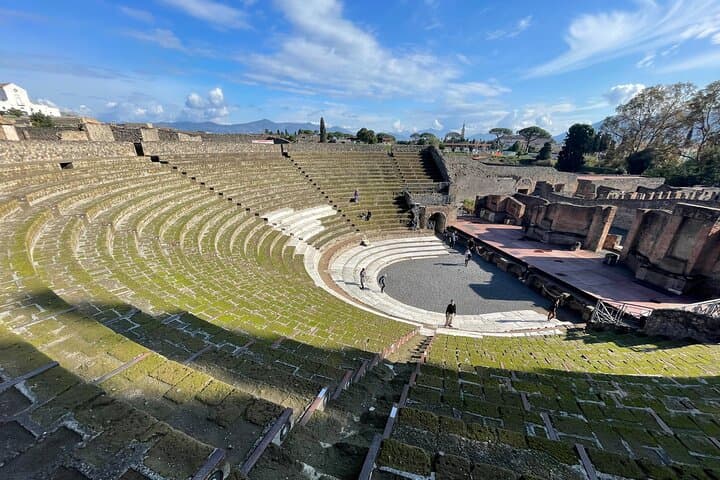
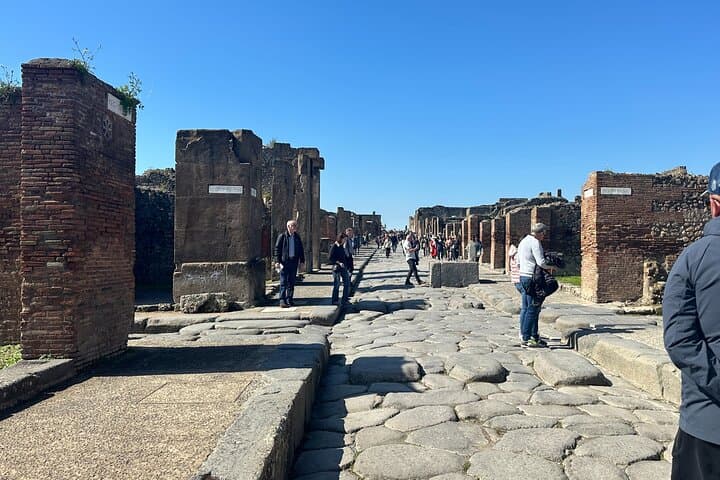
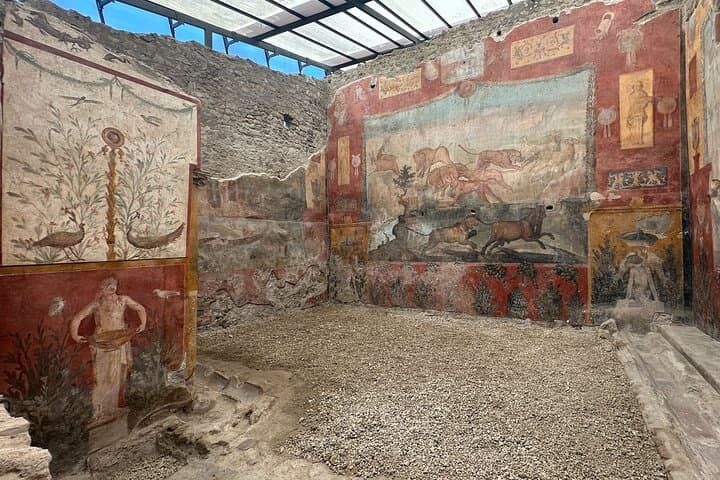
An archaeologist leads a small group down cobbled streets once busy with merchants, their voices long since silenced by ash. Buildings stand with rooms open to the sky; frescoes and mosaics still cling to the walls, color surviving under a thin crust of history. The site’s layered geology — volcanic tuff, pumice and compacted ash — tells the story of a single catastrophic day in 79 AD and the sudden freeze-frame it produced.
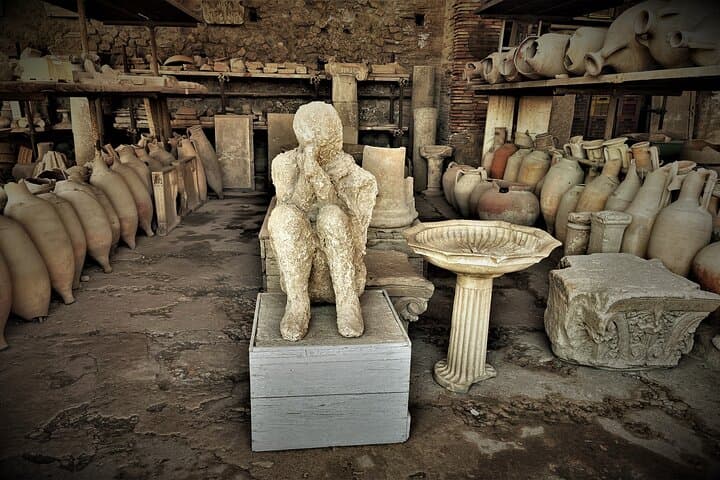
Pompeii’s human story is immediate: shops with counters, public baths, the forum where civic life pulsed, and plaster casts that preserve gestures of those who could not flee. Local culture threads through the guide’s narration; Roman engineering, agricultural trade routes, and daily routines are visible in stone. Nearby towns like Herculaneum and modern Naples carry their own chapters in Vesuvius’ shadow.
Practically, expect 2–3 hours on foot across uneven cobbles, modest climbs and open sun. Bring water, sun protection, and comfortable shoes with good tread. The small-group format from Positano adds roughly an hour of driving each way, making the half-day excursion efficient for travelers based on the Amalfi Coast.
Respect the site: stay on marked paths, avoid leaning on fragile frescoes, and follow your archaeologist’s guidance to get the most informed, memorable visit.
easy.
4–5 hours (including transfers).
Suitable for travelers in normal physical condition who can walk 2–3 miles on uneven ground
The archaeological guide leads approximately 2 hours on-site; the full trip from Positano is about 4–5 hours including transfers.
Yes—this tour is rated easy and suitable for most fitness levels, but those with mobility issues should note uneven cobbles and some walking distances.
Yes, skip-the-line entry to Pompeii is included along with the archaeological guide as part of the tour package.
Pickup is typically between 7:35 and 7:50 AM to allow time for the roughly one-hour transfer to Pompeii from Positano.
Pompeii was buried by the eruption of Mount Vesuvius in 79 AD; ash and pumice preserved buildings, frescoes and daily objects, offering an unparalleled snapshot of Roman life.
Pompeii is a protected UNESCO World Heritage Site; visitor behavior and timed entries help reduce wear on fragile structures and frescoes.
Enjoy Pompeii operates guided outdoor trips and adventures with an emphasis on safety, stewardship, and memorable experiences.
You step off the air-conditioned minibus and the air feels different — warmer, dusted with volcanic soil, the slope of Vesuvius rising like a watchful presence that dares you to remember.
You step off the air-conditioned minibus and the air feels different — warmer, dusted with volcanic soil, the slope of Vesuvius rising like a watchful presence that dares you to remember.
An archaeologist leads a small group down cobbled streets once busy with merchants, their voices long since silenced by ash. Buildings stand with rooms open to the sky; frescoes and mosaics still cling to the walls, color surviving under a thin crust of history. The site’s layered geology — volcanic tuff, pumice and compacted ash — tells the story of a single catastrophic day in 79 AD and the sudden freeze-frame it produced.
Pompeii’s human story is immediate: shops with counters, public baths, the forum where civic life pulsed, and plaster casts that preserve gestures of those who could not flee. Local culture threads through the guide’s narration; Roman engineering, agricultural trade routes, and daily routines are visible in stone. Nearby towns like Herculaneum and modern Naples carry their own chapters in Vesuvius’ shadow.
Practically, expect 2–3 hours on foot across uneven cobbles, modest climbs and open sun. Bring water, sun protection, and comfortable shoes with good tread. The small-group format from Positano adds roughly an hour of driving each way, making the half-day excursion efficient for travelers based on the Amalfi Coast.
Respect the site: stay on marked paths, avoid leaning on fragile frescoes, and follow your archaeologist’s guidance to get the most informed, memorable visit.