THE ADVENTURE COLLECTIVE® · Independent discovery and booking for outdoor travel

Walk a Roman city frozen by Vesuvius and rediscover everyday life from AD 79. This practical guide covers what to see, how to plan your visit, and what to pack to make the most of your time at Pompeii.
Walk a Roman city frozen by Vesuvius and rediscover everyday life from AD 79. This practical guide covers what to see, how to plan your visit, and what to pack to make the most of your time at Pompeii.
You step through a low volcanic-stone gate and the noise of modern Italy falls away: the sun-baked cobbles run straight beneath your boots, the smell of warm stone and dust rises, and columns and frescoed walls hold the shapes of long-quiet households. Walking Pompeii is walking a city paused at the instant of Mount Vesuvius’s eruption in AD 79 — a lived-in urban landscape where mosaics still mark thresholds and public baths whisper the rhythms of daily life.
Verified experiences and guided adventures in the surrounding area.
Operated by Dream Fly Tourism LLC · Pompeii, Campania
You step through a low volcanic-stone gate and the noise of modern Italy falls away: the sun-baked cobbles run straight beneath your boots, the smell of warm stone and dust rises, and columns and frescoed walls hold the shapes of long-quiet households. Walking Pompeii is walking a city paused at the instant of Mount Vesuvius’s eruption in AD 79 — a lived-in urban landscape where mosaics still mark thresholds and public baths whisper the rhythms of daily life.
Geology and history collide here. Vesuvius’s ash preserved streets, wooden doors, and plastered frescoes, creating one of the world’s richest archaeological archives. Excavations beginning in the 18th century revealed villas like the Villa of the Mysteries and the baths that expose Roman engineering, social life, and art. The site sits on a gently sloping plain facing the Bay of Naples, and nearby Boscoreale holds additional villa finds (Villa Regina) that expand the narrative.
Expect uneven ancient paving, open-air exposure, and several kilometers of walking if you explore the highlights. Practical planning pays: book timed entry in advance to avoid queues, arrive early to beat heat and crowds, and allow 2–4 hours to see the core ruins and a main villa. Wear sturdy shoes, bring ≥1 L water, sun protection, and a map or audio guide to place sights in context.
Respect closed areas and follow marked paths — visitor pressure affects fragile frescoes and plaster. With thoughtful planning, Pompeii delivers a vivid, tangible encounter with Roman urban life and the power of a landscape shaped by fire.
easy.
1–4 hours.
Suitable for most fitness levels but requires sustained walking on uneven, historic cobbles; light mobility impairments may find some areas challenging.
Yes—advance booking with a timed entry is strongly recommended, especially in high season, to guarantee access and reduce wait times.
Standard entry grants access to the main archaeological area, including major streets, public baths, and prominent villas such as the Villa of the Mysteries; some adjacent sites like Villa Regina in Boscoreale may be separate but are often ticketed together on combined options.
Some pathways are accessible, but many areas have uneven cobbles and steps; check specific accessibility maps and contact site services for the most current assistance options.
Basic facilities and snack kiosks exist near major entrances, but offerings are limited—plan accordingly and carry snacks for longer visits.
Pompeii was buried by Vesuvius in AD 79; systematic excavations from the 18th century onward revealed daily Roman life preserved under volcanic ash.
Staggered access, visitor paths, and conservation works aim to limit erosion and fresco degradation—stay on marked routes and avoid touching exposed surfaces.
Dream Fly Tourism LLC operates guided outdoor trips and adventures with an emphasis on safety, stewardship, and memorable experiences.
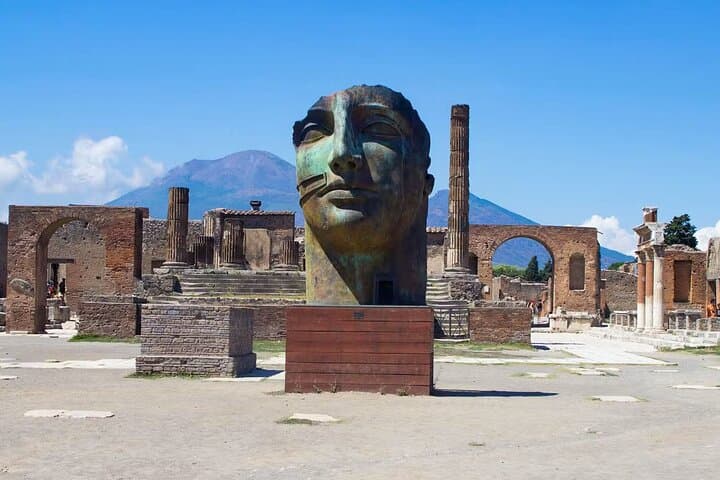
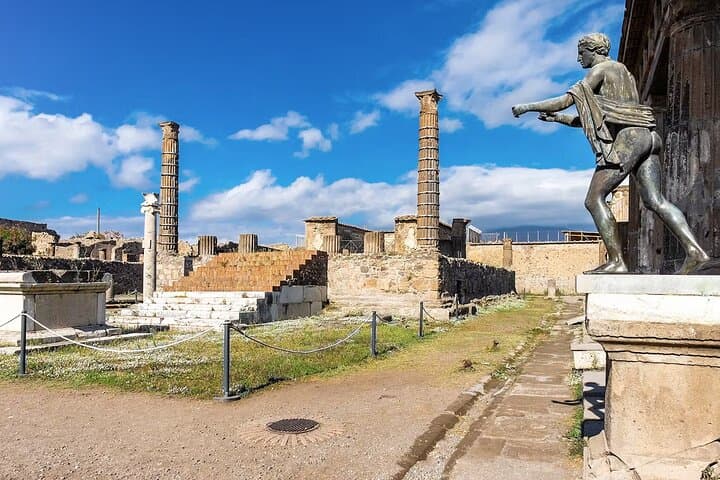
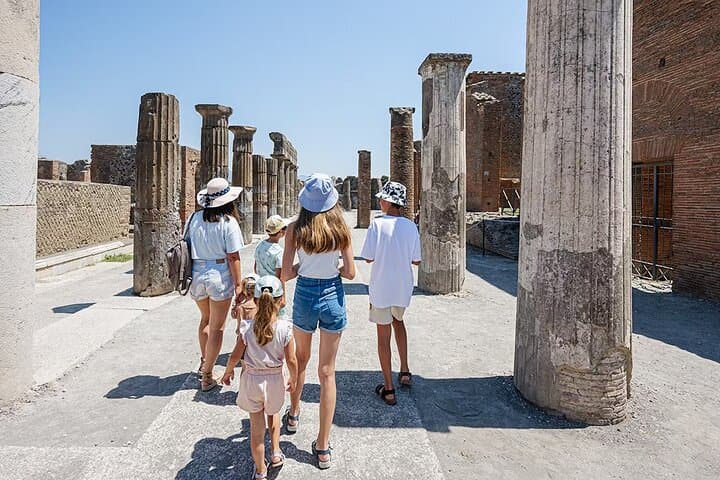
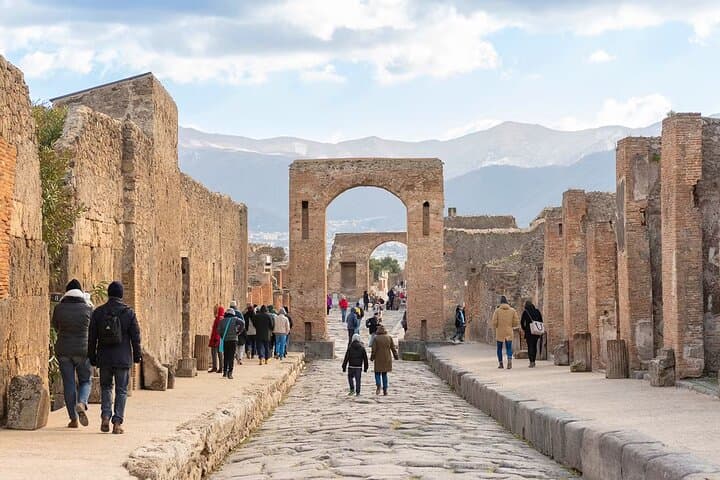
You step through a low volcanic-stone gate and the noise of modern Italy falls away: the sun-baked cobbles run straight beneath your boots, the smell of warm stone and dust rises, and columns and frescoed walls hold the shapes of long-quiet households. Walking Pompeii is walking a city paused at the instant of Mount Vesuvius’s eruption in AD 79 — a lived-in urban landscape where mosaics still mark thresholds and public baths whisper the rhythms of daily life.
You step through a low volcanic-stone gate and the noise of modern Italy falls away: the sun-baked cobbles run straight beneath your boots, the smell of warm stone and dust rises, and columns and frescoed walls hold the shapes of long-quiet households. Walking Pompeii is walking a city paused at the instant of Mount Vesuvius’s eruption in AD 79 — a lived-in urban landscape where mosaics still mark thresholds and public baths whisper the rhythms of daily life.
Geology and history collide here. Vesuvius’s ash preserved streets, wooden doors, and plastered frescoes, creating one of the world’s richest archaeological archives. Excavations beginning in the 18th century revealed villas like the Villa of the Mysteries and the baths that expose Roman engineering, social life, and art. The site sits on a gently sloping plain facing the Bay of Naples, and nearby Boscoreale holds additional villa finds (Villa Regina) that expand the narrative.
Expect uneven ancient paving, open-air exposure, and several kilometers of walking if you explore the highlights. Practical planning pays: book timed entry in advance to avoid queues, arrive early to beat heat and crowds, and allow 2–4 hours to see the core ruins and a main villa. Wear sturdy shoes, bring ≥1 L water, sun protection, and a map or audio guide to place sights in context.
Respect closed areas and follow marked paths — visitor pressure affects fragile frescoes and plaster. With thoughtful planning, Pompeii delivers a vivid, tangible encounter with Roman urban life and the power of a landscape shaped by fire.