THE ADVENTURE COLLECTIVE® · Independent discovery and booking for outdoor travel

Combine a guided walk through Pompeii’s ancient streets with a crater-edge hike on Mount Vesuvius and a Vesuvian winery lunch. This full-day experience pairs archaeology, geology and local wine for a compact introduction to the Bay of Naples’ dramatic landscape.
Combine a guided walk through Pompeii’s ancient streets with a crater-edge hike on Mount Vesuvius and a Vesuvian winery lunch. This full-day experience pairs archaeology, geology and local wine for a compact introduction to the Bay of Naples’ dramatic landscape.
Salt air from the Bay of Naples hangs in the morning light as the tour departs toward the looming profile of Mount Vesuvius. Travelers step out of the car at a rim-side parking area, the caldera’s scarred flanks rising under a wide sky; below, the grid of Pompeii waits like an open book of Roman life.
Verified experiences and guided adventures in the surrounding area.
Operated by Feelnaples di Domenico De Cristofaro · Pompeii, Campania
Salt air from the Bay of Naples hangs in the morning light as the tour departs toward the looming profile of Mount Vesuvius. Travelers step out of the car at a rim-side parking area, the caldera’s scarred flanks rising under a wide sky; below, the grid of Pompeii waits like an open book of Roman life.
The itinerary stitches two powerful stories together. Pompeii’s streets and frescoed homes record daily Roman routines frozen by ash in AD 79, offering a clear window into urban life, commerce and ritual. Vesuvius is the other side of that story: a stratovolcano whose eruptions sculpted the region’s soils and shaped local culture. Geologically, the cone is young and active—layers of pumice and lava alternate with fertile tephra that now feeds vineyards clinging to steep terraces.
Local insights arrive in glassware: wines from Cantina del Vesuvio are mineral-forward, reflecting the volcanic substrate, paired with a straightforward Neapolitan lunch that emphasizes regional olive oil, bread, and simple cheeses.
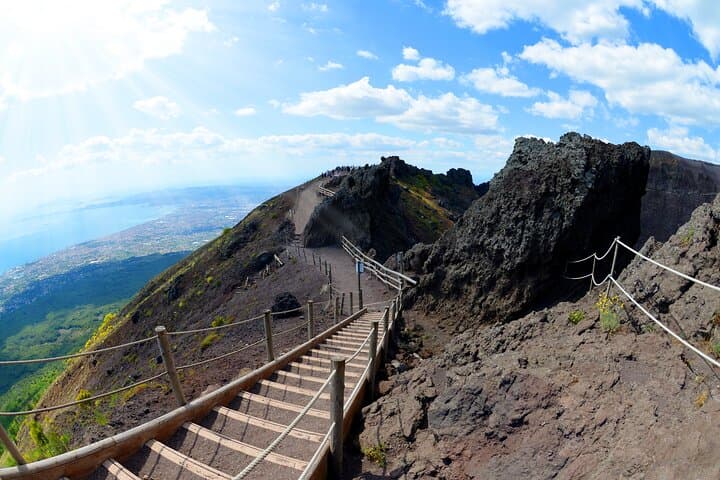
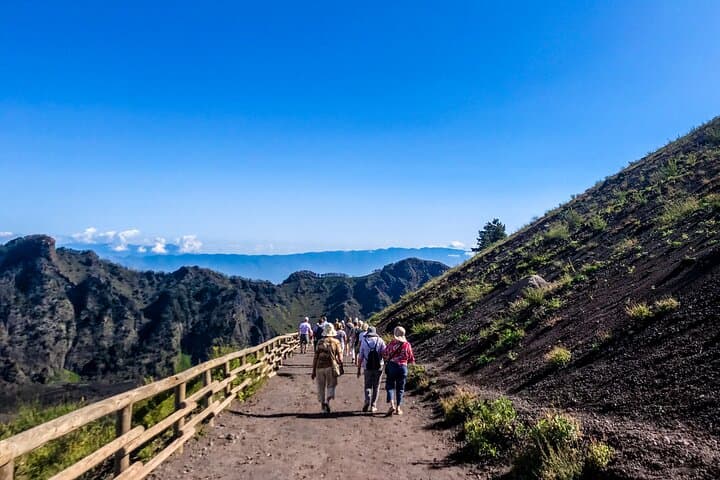
Practical guidance: expect several paved but uneven surfaces in Pompeii and a steep, often dusty trail on Vesuvius’s upper slopes; the crater walk includes loose scree and exposed sun. Bring water, sun protection and a light windproof layer for the summit. Allow a full day—this is a cultural-hiking hybrid best enjoyed with a moderate fitness level and a readiness to trade comfort for remarkable viewpoints and direct contact with Italy’s fiery past.
moderate.
6–7 hours.
Suitable for those with basic hiking fitness; able to walk several kilometers on uneven ground and climb short steep sections.
Some booking options include entrance tickets and a private guide; confirm the ticket-inclusive option at checkout to have admissions covered.
The final section is steep with loose scree and can be tiring; it's rated moderate and requires steady footing rather than technical climbing.
Infants and young children may join but caregivers should assess mobility; the tour is not recommended for pregnant travelers or those with serious heart or back issues.
Morning departures avoid midday heat and crowds—this also improves views across the Bay of Naples and makes walking more comfortable.
Pompeii preserves a detailed snapshot of Roman urban life after Vesuvius’ AD 79 eruption; the volcano has repeatedly shaped settlement and agriculture in Campania.
Visitor impact is managed through designated paths and limits to protect fragile archaeological surfaces; stick to marked routes and avoid touching frescoes or ruins.
Feelnaples di Domenico De Cristofaro operates guided outdoor trips and adventures with an emphasis on safety, stewardship, and memorable experiences.
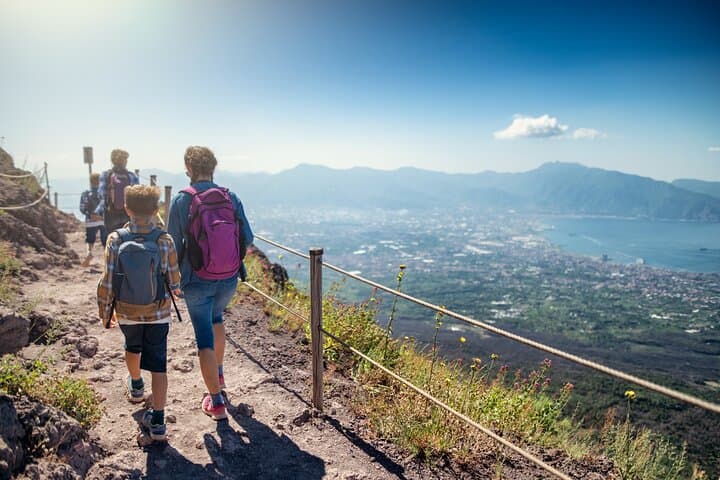
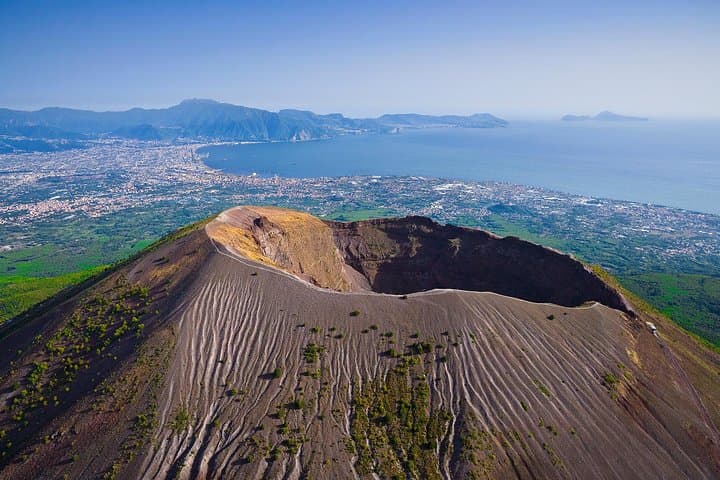
Salt air from the Bay of Naples hangs in the morning light as the tour departs toward the looming profile of Mount Vesuvius. Travelers step out of the car at a rim-side parking area, the caldera’s scarred flanks rising under a wide sky; below, the grid of Pompeii waits like an open book of Roman life.
Salt air from the Bay of Naples hangs in the morning light as the tour departs toward the looming profile of Mount Vesuvius. Travelers step out of the car at a rim-side parking area, the caldera’s scarred flanks rising under a wide sky; below, the grid of Pompeii waits like an open book of Roman life.
The itinerary stitches two powerful stories together. Pompeii’s streets and frescoed homes record daily Roman routines frozen by ash in AD 79, offering a clear window into urban life, commerce and ritual. Vesuvius is the other side of that story: a stratovolcano whose eruptions sculpted the region’s soils and shaped local culture. Geologically, the cone is young and active—layers of pumice and lava alternate with fertile tephra that now feeds vineyards clinging to steep terraces.
Local insights arrive in glassware: wines from Cantina del Vesuvio are mineral-forward, reflecting the volcanic substrate, paired with a straightforward Neapolitan lunch that emphasizes regional olive oil, bread, and simple cheeses.
Practical guidance: expect several paved but uneven surfaces in Pompeii and a steep, often dusty trail on Vesuvius’s upper slopes; the crater walk includes loose scree and exposed sun. Bring water, sun protection and a light windproof layer for the summit. Allow a full day—this is a cultural-hiking hybrid best enjoyed with a moderate fitness level and a readiness to trade comfort for remarkable viewpoints and direct contact with Italy’s fiery past.