THE ADVENTURE COLLECTIVE® · Independent discovery and booking for outdoor travel

Spend a full day from Rome exploring Pompeii’s excavated streets, then ascend the agricultural slopes of Mount Vesuvius for a guided vineyard tour, local lunch and wine tasting. Perfect for travelers who want history, geology and regional wines in a single day trip.
Spend a full day from Rome exploring Pompeii’s excavated streets, then ascend the agricultural slopes of Mount Vesuvius for a guided vineyard tour, local lunch and wine tasting. Perfect for travelers who want history, geology and regional wines in a single day trip.
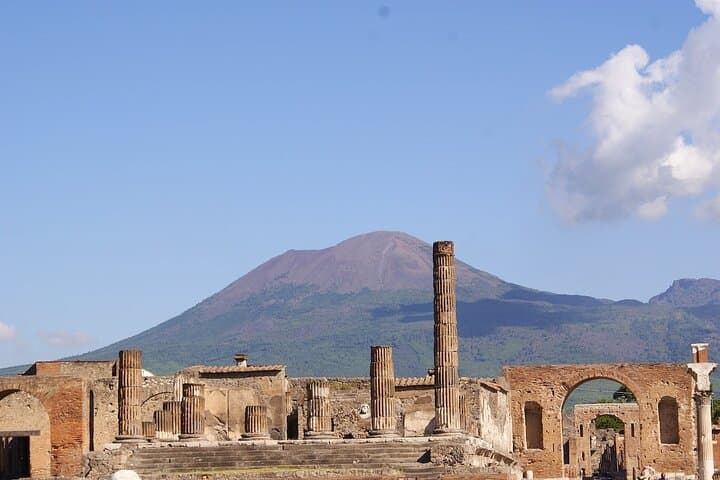
Dawn leaves Rome behind as the private car hums south, the coastline sliding past in a slow, cinematic blur. By midmorning you step through the open gate of Pompeii: sun-softened stones, walkways worn by millennia, and a guide who traces the daily lives frozen on plaster and basalt. The city’s dead streets feel almost alive — ovens, baths and frescoed houses that still speak of commerce, family and sudden disaster.
Verified experiences and guided adventures in the surrounding area.
Operated by Discover Italy dmc · Pompeii, Campania
Dawn leaves Rome behind as the private car hums south, the coastline sliding past in a slow, cinematic blur. By midmorning you step through the open gate of Pompeii: sun-softened stones, walkways worn by millennia, and a guide who traces the daily lives frozen on plaster and basalt. The city’s dead streets feel almost alive — ovens, baths and frescoed houses that still speak of commerce, family and sudden disaster.
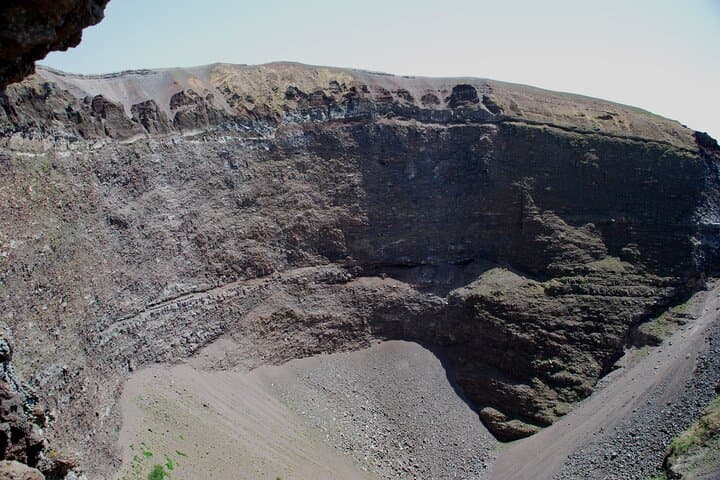
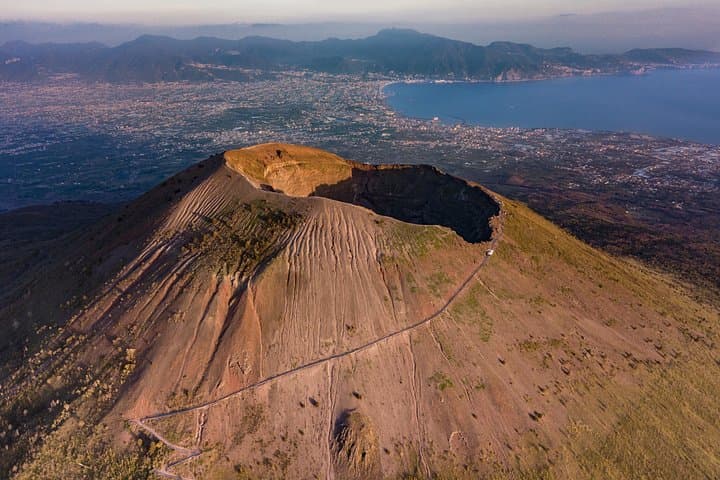
Pompeii fell in 79 AD when Vesuvius expelled ash and pumice, burying a Roman town and preserving its details. Geologically, Vesuvius is a stratovolcano whose volcanic soils feed the vineyards clinging to its slopes; those soils give Lacryma Christi and Falanghina their distinct mineral edge. Culturally, the region pairs resilient farming traditions with winemaking knowledge passed through generations.
After a two-hour guided walk through uneven, often cobbled terrain, the trip climbs to vineyard terraces where vines lean into the sun and the mountain seems to breathe behind them. You’ll stroll gravel rows with a local winemaker, taste several varieties and sit for a lunch of local cheeses, salumi and rustic pasta.
Practical notes: this is a long day (10–12 hours) with moderate walking on uneven surfaces; comfortable, broken-in shoes and sun protection are essential. The crater ascent is not included; expect panoramic viewpoints rather than a summit hike. Carry ID for wine tasting, bring water, and plan for crowds at peak season — starting early eases both heat and lines. The route balances history and terroir in one sustained, walkable day outside the city.
moderate.
10–12 hours.
Moderate fitness for several hours of walking and standing; able to navigate uneven ground and short inclines.
Yes — the tour includes Pompeii entrance fees and a two-hour guided visit inside the archaeological park.
No — the itinerary stops on the slopes for vineyard visits and panoramic views; crater access is not part of this tour.
Expect a 10–12 hour day door-to-door from Rome, including travel time, the Pompeii tour and the vineyard lunch and tasting.
Children can join the tour and visit Pompeii, but only guests 18 years or older may take part in alcoholic tastings; infants must sit on laps in vehicles.
Pompeii preserves daily Roman life after the 79 AD eruption of Vesuvius; excavation has revealed homes, shops and public buildings frozen under ash.
Preservation efforts balance tourism with fragile archaeological fabric; visitors should follow paths, avoid touching frescoes and support local producers who practice sustainable viticulture.
Discover Italy dmc operates guided outdoor trips and adventures with an emphasis on safety, stewardship, and memorable experiences.

Dawn leaves Rome behind as the private car hums south, the coastline sliding past in a slow, cinematic blur. By midmorning you step through the open gate of Pompeii: sun-softened stones, walkways worn by millennia, and a guide who traces the daily lives frozen on plaster and basalt. The city’s dead streets feel almost alive — ovens, baths and frescoed houses that still speak of commerce, family and sudden disaster.
Dawn leaves Rome behind as the private car hums south, the coastline sliding past in a slow, cinematic blur. By midmorning you step through the open gate of Pompeii: sun-softened stones, walkways worn by millennia, and a guide who traces the daily lives frozen on plaster and basalt. The city’s dead streets feel almost alive — ovens, baths and frescoed houses that still speak of commerce, family and sudden disaster.
Pompeii fell in 79 AD when Vesuvius expelled ash and pumice, burying a Roman town and preserving its details. Geologically, Vesuvius is a stratovolcano whose volcanic soils feed the vineyards clinging to its slopes; those soils give Lacryma Christi and Falanghina their distinct mineral edge. Culturally, the region pairs resilient farming traditions with winemaking knowledge passed through generations.
After a two-hour guided walk through uneven, often cobbled terrain, the trip climbs to vineyard terraces where vines lean into the sun and the mountain seems to breathe behind them. You’ll stroll gravel rows with a local winemaker, taste several varieties and sit for a lunch of local cheeses, salumi and rustic pasta.
Practical notes: this is a long day (10–12 hours) with moderate walking on uneven surfaces; comfortable, broken-in shoes and sun protection are essential. The crater ascent is not included; expect panoramic viewpoints rather than a summit hike. Carry ID for wine tasting, bring water, and plan for crowds at peak season — starting early eases both heat and lines. The route balances history and terroir in one sustained, walkable day outside the city.