THE ADVENTURE COLLECTIVE® · Independent discovery and booking for outdoor travel

Spend a day moving from Pompeii’s excavated streets to the rim of Mount Vesuvius. This guided, skip-the-line tour pairs a 2‑hour archaeological visit with an interpretive volcano hike and local lunch — ideal for travelers who want history and a short alpine-style ascent in one trip.
Spend a day moving from Pompeii’s excavated streets to the rim of Mount Vesuvius. This guided, skip-the-line tour pairs a 2‑hour archaeological visit with an interpretive volcano hike and local lunch — ideal for travelers who want history and a short alpine-style ascent in one trip.
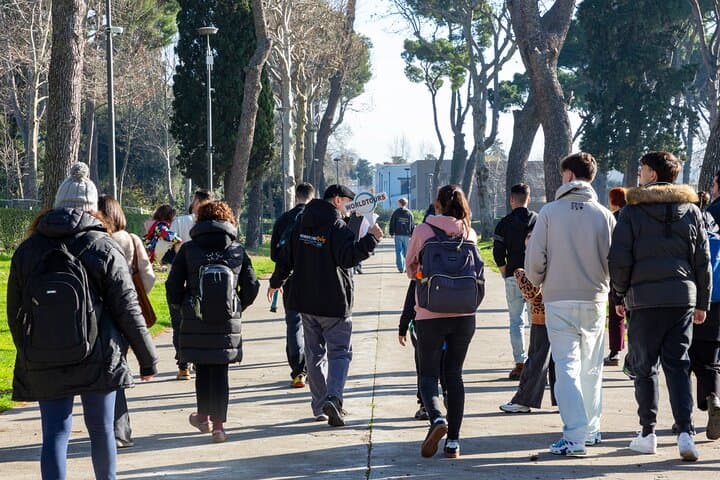
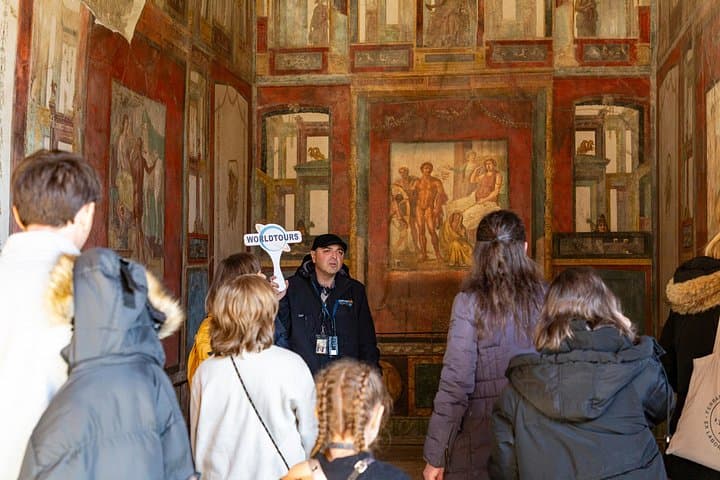
You step off the minivan into a sun-baked square and the air tastes faintly of salt and smoke — the Bay of Naples spreads blue below while a dark cone rises behind the town, patient and unsparing. The day begins in the open streets of Pompeii, where a guided walk moves through ash-layered houses and plaster casts that still hold human shapes; voices lower as you walk past mosaics and baths that document city life before 79 AD.
Verified experiences and guided adventures in the surrounding area.
Operated by Worldtours · Naples, Campania
You step off the minivan into a sun-baked square and the air tastes faintly of salt and smoke — the Bay of Naples spreads blue below while a dark cone rises behind the town, patient and unsparing. The day begins in the open streets of Pompeii, where a guided walk moves through ash-layered houses and plaster casts that still hold human shapes; voices lower as you walk past mosaics and baths that document city life before 79 AD.
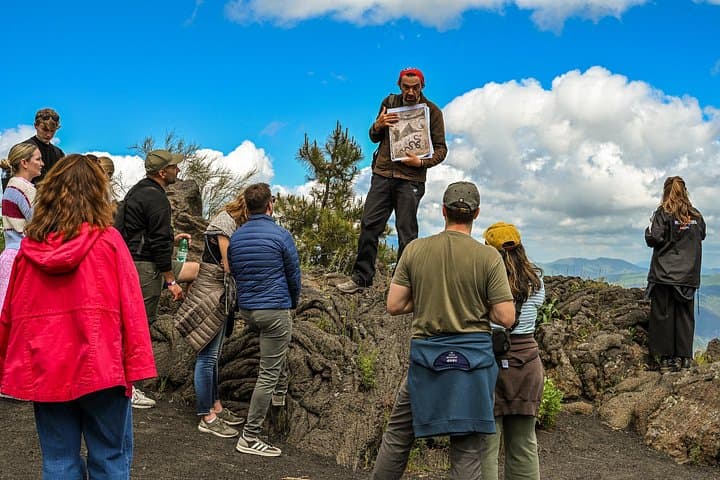
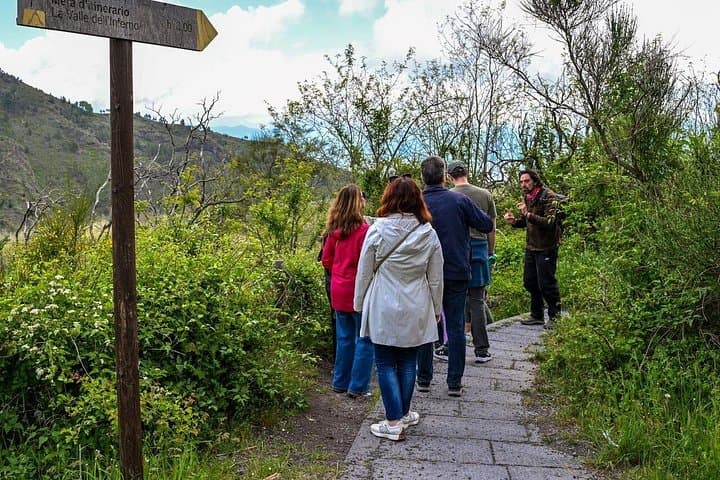
The itinerary pivots from archaeology to geology. Mount Vesuvius is an active stratovolcano whose last major reshaping came in 1944; its slopes are a collage of older pumice and newer, glassy lava flows. Guides offer two routes: the short but steep Crater Trail that climbs to the rim for sweeping views of the bay and the crater’s steaming lip, and the rougher Valley of Hell that threads hardened lava flows and a lava cave — a reminder that the mountain can be both classroom and challenge.
Culturally, the day ties modern Campanian food and hospitality to the Roman past: expect a simple local lunch and explanations linking ruins, trade, and volcanic soil that still feeds vineyards below.
Practical notes: plan for about eight hours total, wear sturdy shoes, carry sun protection and water, and expect uneven volcanic rock on the trails. The route is guided and skip-the-line access speeds museum time, but weather and park rules can limit summit access, so check conditions and bring layers for wind at elevation.
moderate.
8 hours.
Suitable for travelers with moderate fitness; you should be comfortable walking on uneven ground and climbing short steep sections.
Yes — the tour includes skip-the-line access to Pompeii and expedited entry to the Vesuvius park when available.
The crater hike is a short but steep trail—expect roughly 20–40 minutes of uphill walking with loose rock; the Valley of Hell route is rougher and more technical underfoot.
Yes — pick up and drop off from several central points in Naples is included; confirm your pickup location at booking.
Children with good stamina can join, but the tour is not recommended for people with serious mobility, spinal, cardiovascular issues, or for pregnant travelers due to uneven surfaces and moderate exertion.
Pompeii was buried by Vesuvius’s eruption in 79 AD, preserving urban life in ash; Vesuvius later produced lava flows including a notable 1944 eruption that reshaped parts of the upper slopes.
Vesuvius is part of a protected national park; stay on trails, avoid removing artifacts, and respect restricted zones to reduce erosion and protect archaeological sites.
Worldtours operates guided outdoor trips and adventures with an emphasis on safety, stewardship, and memorable experiences.
You step off the minivan into a sun-baked square and the air tastes faintly of salt and smoke — the Bay of Naples spreads blue below while a dark cone rises behind the town, patient and unsparing. The day begins in the open streets of Pompeii, where a guided walk moves through ash-layered houses and plaster casts that still hold human shapes; voices lower as you walk past mosaics and baths that document city life before 79 AD.
You step off the minivan into a sun-baked square and the air tastes faintly of salt and smoke — the Bay of Naples spreads blue below while a dark cone rises behind the town, patient and unsparing. The day begins in the open streets of Pompeii, where a guided walk moves through ash-layered houses and plaster casts that still hold human shapes; voices lower as you walk past mosaics and baths that document city life before 79 AD.
The itinerary pivots from archaeology to geology. Mount Vesuvius is an active stratovolcano whose last major reshaping came in 1944; its slopes are a collage of older pumice and newer, glassy lava flows. Guides offer two routes: the short but steep Crater Trail that climbs to the rim for sweeping views of the bay and the crater’s steaming lip, and the rougher Valley of Hell that threads hardened lava flows and a lava cave — a reminder that the mountain can be both classroom and challenge.
Culturally, the day ties modern Campanian food and hospitality to the Roman past: expect a simple local lunch and explanations linking ruins, trade, and volcanic soil that still feeds vineyards below.
Practical notes: plan for about eight hours total, wear sturdy shoes, carry sun protection and water, and expect uneven volcanic rock on the trails. The route is guided and skip-the-line access speeds museum time, but weather and park rules can limit summit access, so check conditions and bring layers for wind at elevation.