THE ADVENTURE COLLECTIVE® · Independent discovery and booking for outdoor travel

Combine a short crater hike on Mount Vesuvius with an expert-guided walk through the ruined streets of Pompeii. This full-day tour blends volcanic geology with Roman archaeology and practical tips for a comfortable, educational outing.
Combine a short crater hike on Mount Vesuvius with an expert-guided walk through the ruined streets of Pompeii. This full-day tour blends volcanic geology with Roman archaeology and practical tips for a comfortable, educational outing.
You step out of the minivan into a blown-slate sky and the scent of Mediterranean scrub; the road has already climbed toward Vesuvius and the Gulf of Naples glitters below. Later, walking the broad, sun-warmed streets of Pompeii, cobbles underfoot and plaster casts of lives paused in an instant, the day folds between volcanic rock and ruined marble.
Verified experiences and guided adventures in the surrounding area.
Operated by Max Travel Pompei · Pompeii, Campania
You step out of the minivan into a blown-slate sky and the scent of Mediterranean scrub; the road has already climbed toward Vesuvius and the Gulf of Naples glitters below. Later, walking the broad, sun-warmed streets of Pompeii, cobbles underfoot and plaster casts of lives paused in an instant, the day folds between volcanic rock and ruined marble.
Pompeii preserves a Roman town frozen by the AD 79 eruption: forums, bakeries, and painted houses that reveal daily routines. Vesuvius is a young stratovolcano, its cone rebuilt through layers of pumice and lava; from the crater rim at roughly 1,000 m you can scan Capri, Ischia and Procida across the bay. Local guides weave archaeology with geology—explaining how pyroclastic flows sealed streets and how later excavations revealed frescoes and casts of victims.
Expect a practical mix of archaeology and short alpine hiking. The tour typically allocates about 2 hours in Pompeii, with another 2–3 hours for the transfer and the 20–30 minute uphill walk to the crater rim through volcanic soil and low scrub. Terrain on Vesuvius is loose rock and compacted ash; footwear with grip matters. Sunscreen, water and a light wind layer will make the exposed crater rim far more comfortable, and arriving early reduces heat and crowds. Guides usually include entrance fees and provide archaeological narration; bring a camera and allow extra time to move deliberately through the ruins. This itinerary suits travelers who want a grounded day combining cultural depth with a short, rewarding volcanic hike.
moderate.
5–6 hours.
Good for people who can walk on uneven ground and climb a 20–30 minute uphill path to about 1,000 m; basic stamina required.
This tour typically includes entrance tickets to Pompeii and the Vesuvius crater as well as guide services and private transport.
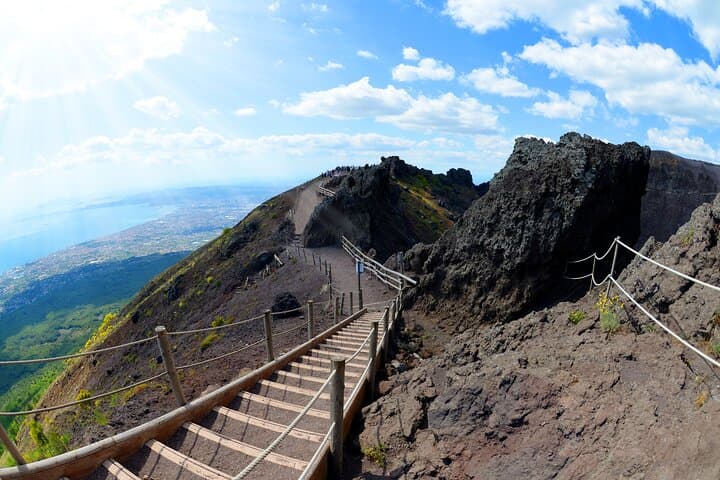
The walk from the minivan drop-off to the crater rim is roughly 20–30 minutes on mostly loose volcanic rock—moderate effort but not technical climbing.
Families and active seniors can do the trip, but participants should be comfortable walking on uneven ground and managing short uphill sections; infant seats are sometimes available for transport.
Tours may be canceled or rescheduled for safety if conditions are poor; check cancellation rules and the operator’s guidance before departure.
Pompeii was buried in volcanic ash by Vesuvius’s AD 79 eruption; systematic excavations since the 18th century have revealed streets, shops and frescoed homes frozen in time.
Vesuvius National Park regulates access to protect fragile soils and endemic plants—stay on marked trails and avoid disturbing archaeological features to limit erosion and damage.
Max Travel Pompei operates guided outdoor trips and adventures with an emphasis on safety, stewardship, and memorable experiences.
You step out of the minivan into a blown-slate sky and the scent of Mediterranean scrub; the road has already climbed toward Vesuvius and the Gulf of Naples glitters below. Later, walking the broad, sun-warmed streets of Pompeii, cobbles underfoot and plaster casts of lives paused in an instant, the day folds between volcanic rock and ruined marble.
You step out of the minivan into a blown-slate sky and the scent of Mediterranean scrub; the road has already climbed toward Vesuvius and the Gulf of Naples glitters below. Later, walking the broad, sun-warmed streets of Pompeii, cobbles underfoot and plaster casts of lives paused in an instant, the day folds between volcanic rock and ruined marble.
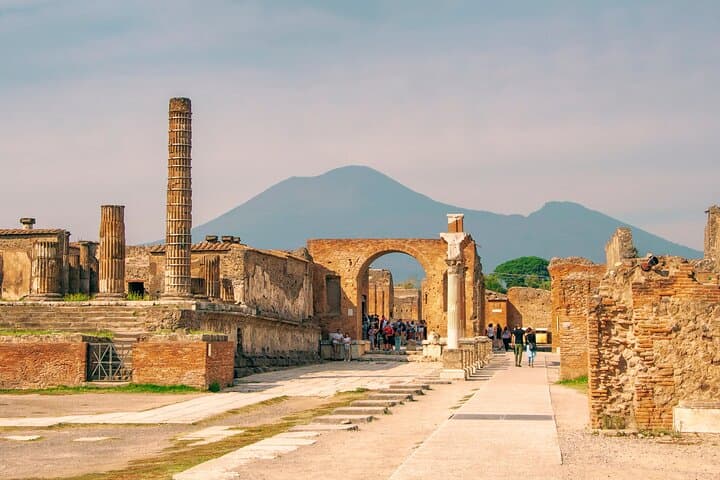
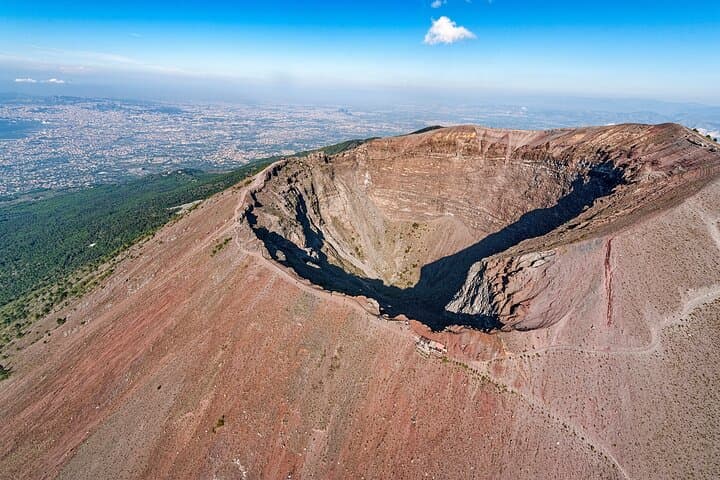
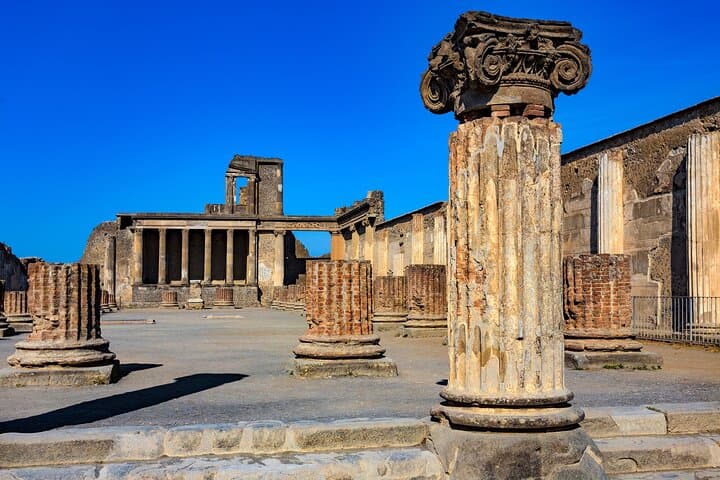
Pompeii preserves a Roman town frozen by the AD 79 eruption: forums, bakeries, and painted houses that reveal daily routines. Vesuvius is a young stratovolcano, its cone rebuilt through layers of pumice and lava; from the crater rim at roughly 1,000 m you can scan Capri, Ischia and Procida across the bay. Local guides weave archaeology with geology—explaining how pyroclastic flows sealed streets and how later excavations revealed frescoes and casts of victims.
Expect a practical mix of archaeology and short alpine hiking. The tour typically allocates about 2 hours in Pompeii, with another 2–3 hours for the transfer and the 20–30 minute uphill walk to the crater rim through volcanic soil and low scrub. Terrain on Vesuvius is loose rock and compacted ash; footwear with grip matters. Sunscreen, water and a light wind layer will make the exposed crater rim far more comfortable, and arriving early reduces heat and crowds. Guides usually include entrance fees and provide archaeological narration; bring a camera and allow extra time to move deliberately through the ruins. This itinerary suits travelers who want a grounded day combining cultural depth with a short, rewarding volcanic hike.