THE ADVENTURE COLLECTIVE® · Independent discovery and booking for outdoor travel

Combine a brisk hike to Vesuvius’ smoking rim with an immersive guided walk through Pompeii’s frozen streets. This five-hour guided combo pairs geology, archaeology, and practical logistics for a single-day excursion from Naples.
Combine a brisk hike to Vesuvius’ smoking rim with an immersive guided walk through Pompeii’s frozen streets. This five-hour guided combo pairs geology, archaeology, and practical logistics for a single-day excursion from Naples.
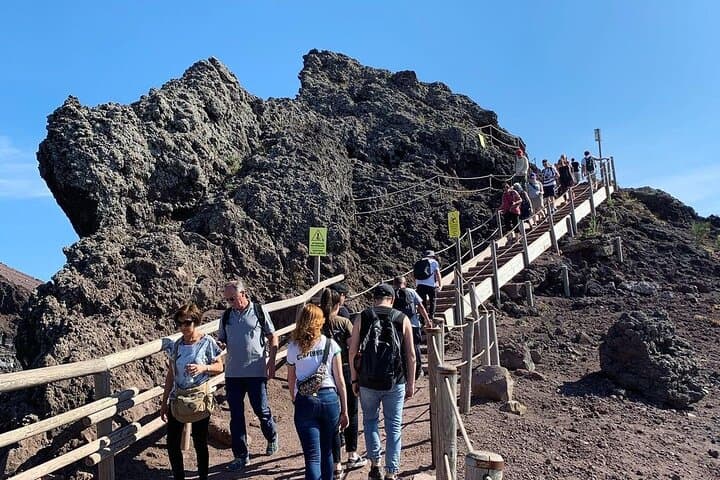
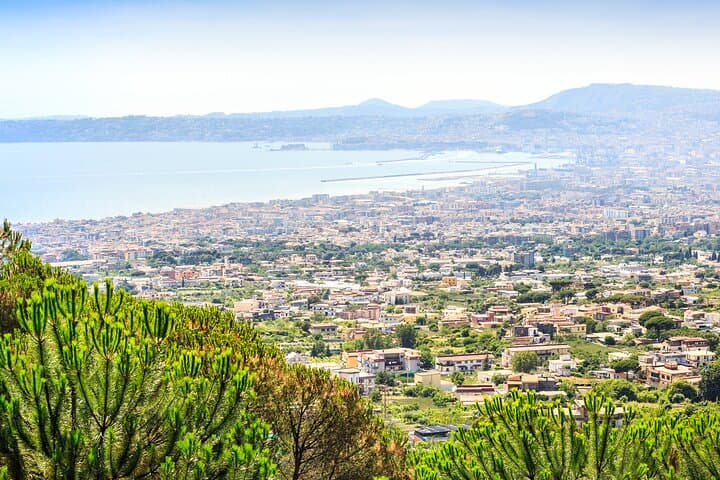
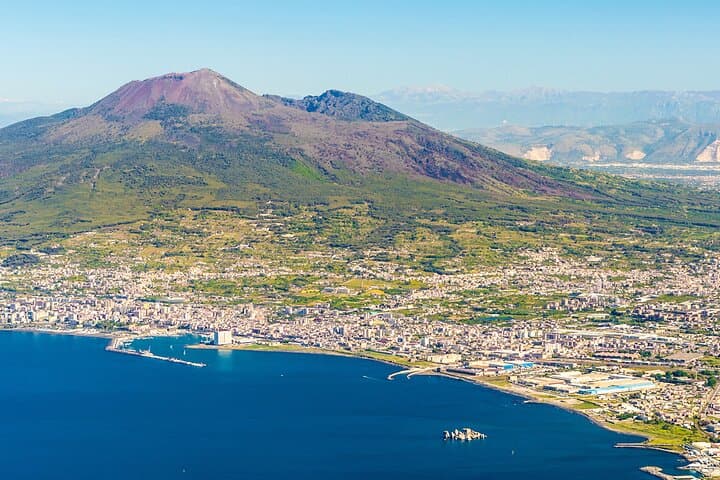
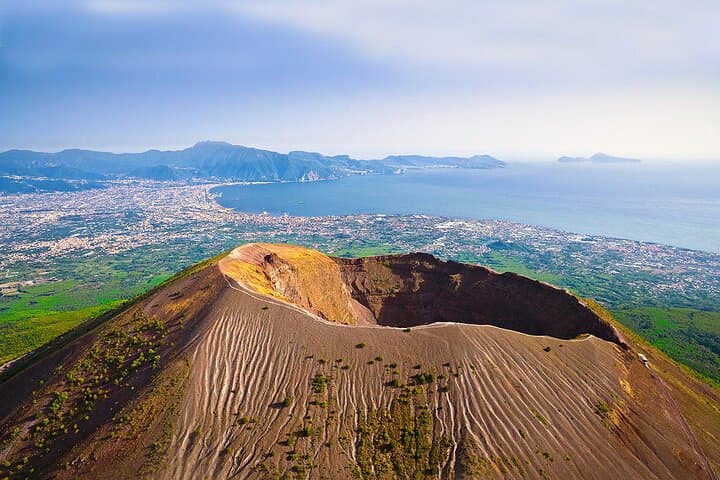
You step off an air-conditioned coach into a sunlit clearing on Vesuvius’ lower slopes, wind carrying the scent of thyme and the faint sulfur tang from fumaroles. The path narrows into pumice and baked earth; a steady 25-minute climb from the 1,000 m drop-off threads between volcanic scree and scrub until the crater rim opens, offering a raw panorama of the Bay of Naples and the speckled islands beyond.
Verified experiences and guided adventures in the surrounding area.
Operated by Visiting Campania · Pompeii, Campania
You step off an air-conditioned coach into a sunlit clearing on Vesuvius’ lower slopes, wind carrying the scent of thyme and the faint sulfur tang from fumaroles. The path narrows into pumice and baked earth; a steady 25-minute climb from the 1,000 m drop-off threads between volcanic scree and scrub until the crater rim opens, offering a raw panorama of the Bay of Naples and the speckled islands beyond.
The day moves from active geology to frozen history. Pompeii’s grid of streets and preserved homes—frescoed walls, bakeries with millstones, and cast forms of residents—reveal Roman life interrupted by the 79 AD eruption. Vesuvius itself is a layered story: Pleistocene pyroclastics underlie the cone’s later Strombolian deposits, while fumaroles and solidified lava at the crater rim are a reminder the volcano remains alive.
A local licensed guide ties the technical to the human: eruption mechanics, excavation history, and the social fabric of ancient Pompeii. Cultural notes include the town’s rediscovery in the 18th century and its UNESCO status; expect sharp sun, uneven ancient pavements, and brief periods of steep walking.
Practically, the combo is a five-hour outing that blends easy-to-moderate walking with standing commentary. Bring sturdy shoes, sun protection, and water; plan for crowds at Pompeii and variable wind on Vesuvius. The tour includes entrance tickets and return transfers, reducing logistics so you can focus on the geology underfoot and the lives preserved in ash.
moderate.
5 hours.
Moderate fitness; able to walk 25 minutes uphill on loose volcanic terrain and stand through guided tours.
From the parking at ~1,000 m it’s typically a 20–30 minute uphill walk to the rim on loose volcanic scree.
Yes—the tour includes entrance to Vesuvius National Park and an express entrance ticket to the Pompeii Archaeological Park.
Children can do the walk if supervised; the trail is uneven and not recommended for travelers with serious mobility, spinal, cardiac, or pregnancy-related restrictions.
Yes—this specific tour provides a licensed local guide who speaks English.
Pompeii was buried by Vesuvius in 79 AD and rediscovered in the 18th century; systematic excavations revealed remarkably preserved urban life.
Both the archaeological site and the national park face conservation challenges from erosion, visitor wear, and weather—stick to paths and follow guide instructions to minimize impact.
Visiting Campania operates guided outdoor trips and adventures with an emphasis on safety, stewardship, and memorable experiences.
You step off an air-conditioned coach into a sunlit clearing on Vesuvius’ lower slopes, wind carrying the scent of thyme and the faint sulfur tang from fumaroles. The path narrows into pumice and baked earth; a steady 25-minute climb from the 1,000 m drop-off threads between volcanic scree and scrub until the crater rim opens, offering a raw panorama of the Bay of Naples and the speckled islands beyond.
You step off an air-conditioned coach into a sunlit clearing on Vesuvius’ lower slopes, wind carrying the scent of thyme and the faint sulfur tang from fumaroles. The path narrows into pumice and baked earth; a steady 25-minute climb from the 1,000 m drop-off threads between volcanic scree and scrub until the crater rim opens, offering a raw panorama of the Bay of Naples and the speckled islands beyond.
The day moves from active geology to frozen history. Pompeii’s grid of streets and preserved homes—frescoed walls, bakeries with millstones, and cast forms of residents—reveal Roman life interrupted by the 79 AD eruption. Vesuvius itself is a layered story: Pleistocene pyroclastics underlie the cone’s later Strombolian deposits, while fumaroles and solidified lava at the crater rim are a reminder the volcano remains alive.
A local licensed guide ties the technical to the human: eruption mechanics, excavation history, and the social fabric of ancient Pompeii. Cultural notes include the town’s rediscovery in the 18th century and its UNESCO status; expect sharp sun, uneven ancient pavements, and brief periods of steep walking.
Practically, the combo is a five-hour outing that blends easy-to-moderate walking with standing commentary. Bring sturdy shoes, sun protection, and water; plan for crowds at Pompeii and variable wind on Vesuvius. The tour includes entrance tickets and return transfers, reducing logistics so you can focus on the geology underfoot and the lives preserved in ash.