THE ADVENTURE COLLECTIVE® · Independent discovery and booking for outdoor travel

Spend a full day tracing Roman life with an archaeologist: two hours walking Pompeii's streets and two hours among the Farnese treasures at the Naples Archaeological Museum, with transport and entrance fees included. This private tour blends on-site archaeology with museum context for a focused, educational day.
Spend a full day tracing Roman life with an archaeologist: two hours walking Pompeii's streets and two hours among the Farnese treasures at the Naples Archaeological Museum, with transport and entrance fees included. This private tour blends on-site archaeology with museum context for a focused, educational day.
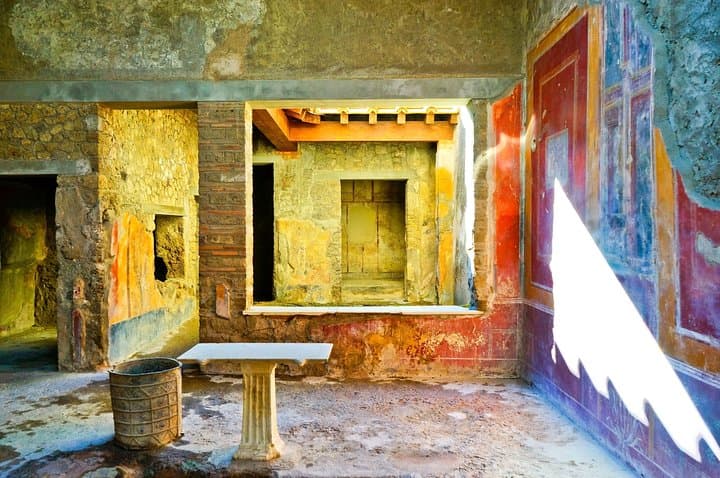
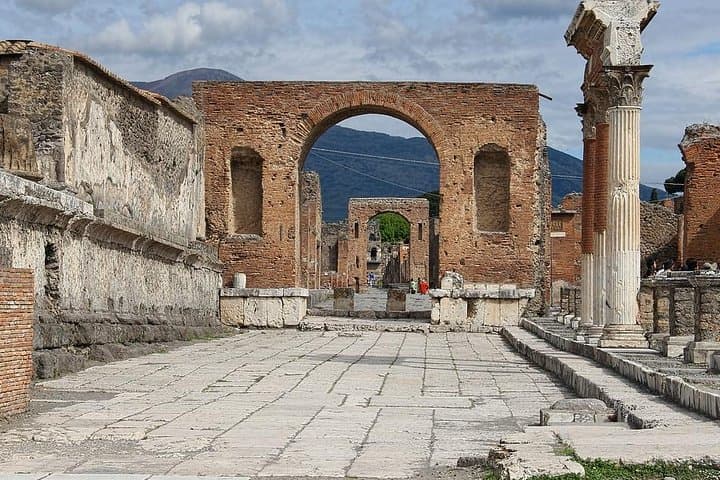
You step from a modern minivan into a sun-baked artery of stone where footsteps centuries old still mark the streets. The air carries a faint salt from the Bay and a weight of history that seems to press the colors of fresco and mosaic sharper; your archaeologist guide points out the lines of plumbing and the traces of daily life, and the city itself feels like a patient teacher.
Verified experiences and guided adventures in the surrounding area.
Operated by Askos Tours · Pompeii, Campania
You step from a modern minivan into a sun-baked artery of stone where footsteps centuries old still mark the streets. The air carries a faint salt from the Bay and a weight of history that seems to press the colors of fresco and mosaic sharper; your archaeologist guide points out the lines of plumbing and the traces of daily life, and the city itself feels like a patient teacher.
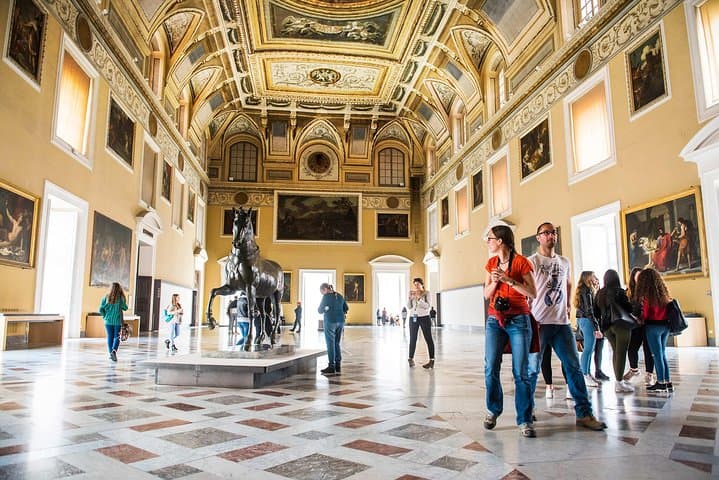
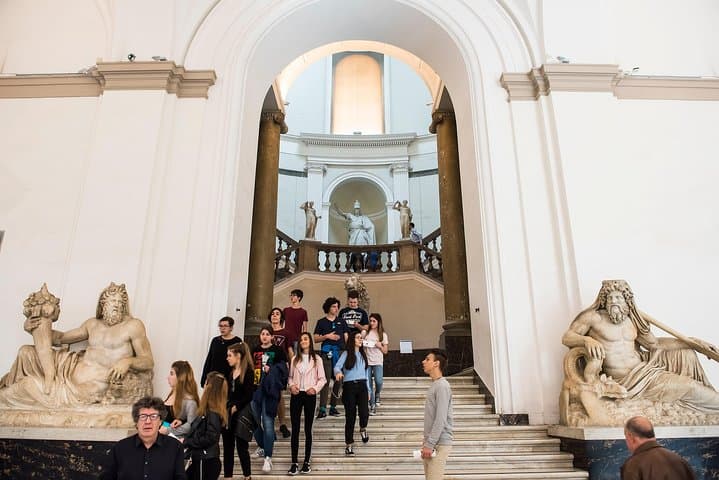
Pompeii was sealed under Vesuvius's AD 79 eruption and preserved in volcanic ash, so streets, shops, baths and casts of victims create an unusually intimate window into Roman urban life. Geology here is active—Vesuvius looms in view, its volcanic soils and pyroclastic flows the same forces that froze this town in time. Culture echoes in Pompeii's theaters, markets and houses, and the Naples Archaeological Museum extends the story with the Farnese sculptures, delicate mosaics and objects recovered from Pompeii, Herculaneum and Stabiae.
Expect about a seven-hour day: roughly two hours walking Pompeii with substantial on-foot time across uneven cobbles and exposed ruins, plus two hours inside the museum. The tour includes entrance fees and transport by minivan, and the archaeologist will translate finds into human stories rather than just dates.
Practical guidance: wear stiff-soled walking shoes for uneven volcanic stone, bring sun protection and water, and plan for minimal shade. There are public restrooms and places to sit, but museum cloakroom rules and photography restrictions vary. Pace yourself—this is a long, layered day that rewards attention to detail and a measured stride.
moderate.
7 hours.
Moderate fitness recommended: you'll be on your feet for several hours and walking on uneven surfaces; basic mobility is required.
The total duration is about seven hours and includes round-trip minivan transport, entrance fees for Pompeii and the Naples Archaeological Museum, and a personal archaeologist guide.
Pompeii has uneven cobbles and steps; while the tour is listed as physically easy, participants should be able to walk for extended periods; contact the operator about specific accessibility needs.
Photography policies vary between the outdoor site and the museum; flash is typically prohibited in galleries and large bags may need to be left in a cloakroom.
Guides are certified local archaeologists who commonly speak English and Italian; confirm language preference at booking to ensure availability.
Pompeii was buried in the eruption of Mount Vesuvius in AD 79, preserving streets, homes and everyday objects under volcanic ash; the Naples Archaeological Museum holds many of those excavated artifacts.
Ongoing conservation balances public access with preservation; follow site rules, avoid touching frescoes or mosaics and support guided tours that fund local heritage efforts.
Askos Tours operates guided outdoor trips and adventures with an emphasis on safety, stewardship, and memorable experiences.
You step from a modern minivan into a sun-baked artery of stone where footsteps centuries old still mark the streets. The air carries a faint salt from the Bay and a weight of history that seems to press the colors of fresco and mosaic sharper; your archaeologist guide points out the lines of plumbing and the traces of daily life, and the city itself feels like a patient teacher.
You step from a modern minivan into a sun-baked artery of stone where footsteps centuries old still mark the streets. The air carries a faint salt from the Bay and a weight of history that seems to press the colors of fresco and mosaic sharper; your archaeologist guide points out the lines of plumbing and the traces of daily life, and the city itself feels like a patient teacher.
Pompeii was sealed under Vesuvius's AD 79 eruption and preserved in volcanic ash, so streets, shops, baths and casts of victims create an unusually intimate window into Roman urban life. Geology here is active—Vesuvius looms in view, its volcanic soils and pyroclastic flows the same forces that froze this town in time. Culture echoes in Pompeii's theaters, markets and houses, and the Naples Archaeological Museum extends the story with the Farnese sculptures, delicate mosaics and objects recovered from Pompeii, Herculaneum and Stabiae.
Expect about a seven-hour day: roughly two hours walking Pompeii with substantial on-foot time across uneven cobbles and exposed ruins, plus two hours inside the museum. The tour includes entrance fees and transport by minivan, and the archaeologist will translate finds into human stories rather than just dates.
Practical guidance: wear stiff-soled walking shoes for uneven volcanic stone, bring sun protection and water, and plan for minimal shade. There are public restrooms and places to sit, but museum cloakroom rules and photography restrictions vary. Pace yourself—this is a long, layered day that rewards attention to detail and a measured stride.