THE ADVENTURE COLLECTIVE® · Independent discovery and booking for outdoor travel

A full-day adventure from Naples that pairs a guided walk through Pompeii’s excavated streets with a trek to Mount Vesuvius’ crater rim. Expect archaeological insight, volcanic terrain, and a Campanian light lunch to refuel between sites.
A full-day adventure from Naples that pairs a guided walk through Pompeii’s excavated streets with a trek to Mount Vesuvius’ crater rim. Expect archaeological insight, volcanic terrain, and a Campanian light lunch to refuel between sites.
The coach pulls away from Naples and the Gulf unfurls like a silver bruise; by the time you step into Pompeii the air tastes of salt and stone. An archaeologist leads the group through streets frozen at 79 AD—shops, baths and frescoed atria still holding the echoes of everyday life—before a short drive pushes inland to the raw, wind-scoured slopes of Mount Vesuvius.
Verified experiences and guided adventures in the surrounding area.
Operated by Buyourtour di Amo Italy Travel · Pompeii, Campania
The coach pulls away from Naples and the Gulf unfurls like a silver bruise; by the time you step into Pompeii the air tastes of salt and stone. An archaeologist leads the group through streets frozen at 79 AD—shops, baths and frescoed atria still holding the echoes of everyday life—before a short drive pushes inland to the raw, wind-scoured slopes of Mount Vesuvius.
Pompeii’s streets record a sudden catastrophe: pumice and ash sealed a Roman city and preserved domestic detail rarely seen elsewhere. Geologically Vesuvius is a classic stratovolcano with a collapsed caldera—Monte Somma—ringing the younger cone; the crater rim offers a direct view into the volcanic throat and an expansive panorama across the Bay of Naples. Locally, food and family-run trattorie reflect Campania’s agricultural abundance—olive oil, tomatoes and seafood—so a light lunch after the ruins is both restorative and telling of place.
Expect uneven cobbles, exposed plaster casts, and dusty amphitheatre steps in Pompeii; on Vesuvius the trail becomes volcanic scree and compacted ash that can shift underfoot. The summit path demands steady footing but rewards with a crater-edge vantage that feels elemental: the volcano hums with a geological patience, the sea answers in the distance.
Practical guidance: arrive with sturdy shoes, 1–2 liters of water, sun protection and a moderate fitness level. Guided access shortens lines in high season; allow a full day for transit, exploration, lunch and the uphill walk. Respect site rules, stick to marked trails and leave artifacts as you find them—these landscapes are fragile and shared across millennia.
moderate.
6–7 hours.
Moderate fitness: able to walk several hours over uneven ground and climb a 30–45 minute steep trail.
Yes—this tour includes entrance fees for both Pompeii and Mount Vesuvius as noted in the inclusions.
The trail is steep in sections with loose volcanic material; it requires steady footing but no technical climbing—suitable for most people with moderate fitness.
This tour is not recommended for pregnant travelers or those with serious cardiovascular issues due to the physical demands of the Vesuvius trail and uneven ground in Pompeii.
Morning departures are best to avoid midday heat and larger crowds at Pompeii and the crater rim—visibility also tends to be clearer earlier in the day.
Pompeii was buried by Vesuvius’ AD 79 eruption, preserving streets, homes and artworks that illuminate Roman urban life; Vesuvius has erupted repeatedly since and shaped local livelihoods and myth.
High visitor numbers strain fragile archaeological surfaces and the volcanic landscape—stay on marked paths, avoid touching frescoes, and choose guided options that support preservation and local stewardship.
Buyourtour di Amo Italy Travel operates guided outdoor trips and adventures with an emphasis on safety, stewardship, and memorable experiences.
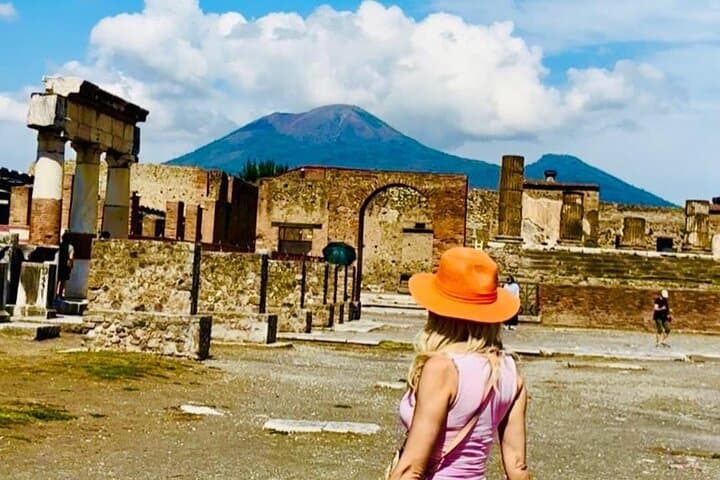
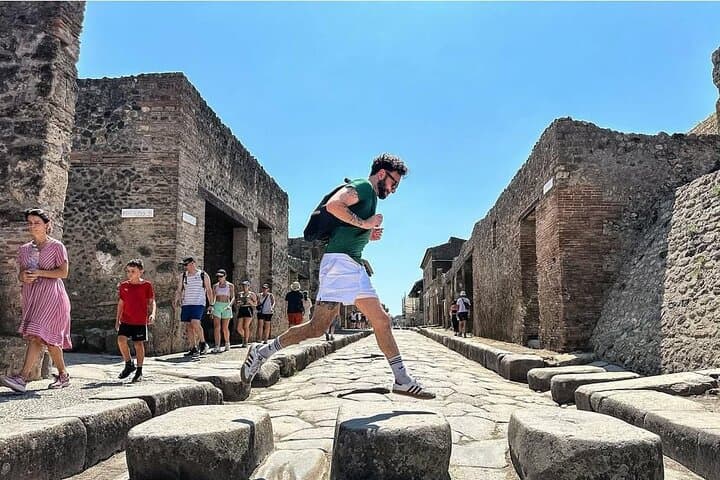
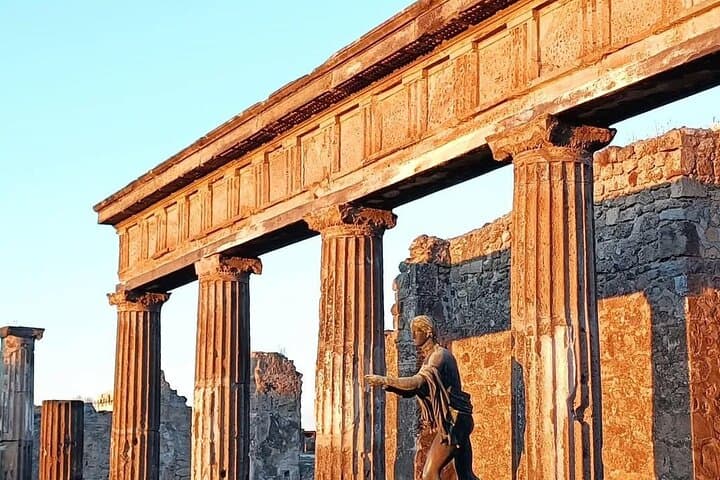
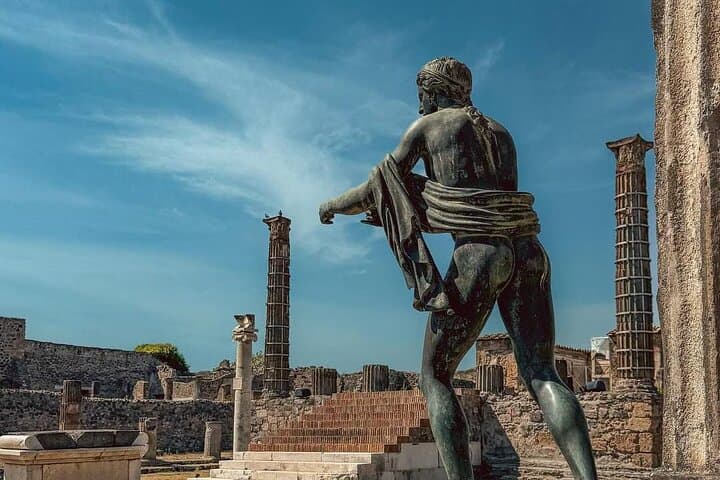
The coach pulls away from Naples and the Gulf unfurls like a silver bruise; by the time you step into Pompeii the air tastes of salt and stone. An archaeologist leads the group through streets frozen at 79 AD—shops, baths and frescoed atria still holding the echoes of everyday life—before a short drive pushes inland to the raw, wind-scoured slopes of Mount Vesuvius.
The coach pulls away from Naples and the Gulf unfurls like a silver bruise; by the time you step into Pompeii the air tastes of salt and stone. An archaeologist leads the group through streets frozen at 79 AD—shops, baths and frescoed atria still holding the echoes of everyday life—before a short drive pushes inland to the raw, wind-scoured slopes of Mount Vesuvius.
Pompeii’s streets record a sudden catastrophe: pumice and ash sealed a Roman city and preserved domestic detail rarely seen elsewhere. Geologically Vesuvius is a classic stratovolcano with a collapsed caldera—Monte Somma—ringing the younger cone; the crater rim offers a direct view into the volcanic throat and an expansive panorama across the Bay of Naples. Locally, food and family-run trattorie reflect Campania’s agricultural abundance—olive oil, tomatoes and seafood—so a light lunch after the ruins is both restorative and telling of place.
Expect uneven cobbles, exposed plaster casts, and dusty amphitheatre steps in Pompeii; on Vesuvius the trail becomes volcanic scree and compacted ash that can shift underfoot. The summit path demands steady footing but rewards with a crater-edge vantage that feels elemental: the volcano hums with a geological patience, the sea answers in the distance.
Practical guidance: arrive with sturdy shoes, 1–2 liters of water, sun protection and a moderate fitness level. Guided access shortens lines in high season; allow a full day for transit, exploration, lunch and the uphill walk. Respect site rules, stick to marked trails and leave artifacts as you find them—these landscapes are fragile and shared across millennia.