THE ADVENTURE COLLECTIVE® · Independent discovery and booking for outdoor travel

A private day from Rome that pairs the haunting ruins of Pompeii with the dramatic cliffs of the Amalfi Coast. Expect a long but rewarding day of archaeology, coastal vistas, and local flavors.
A private day from Rome that pairs the haunting ruins of Pompeii with the dramatic cliffs of the Amalfi Coast. Expect a long but rewarding day of archaeology, coastal vistas, and local flavors.
You step into the car in Rome before dawn and watch the city shrink into vineyards and folded hills as the driver eases toward the Bay of Naples. By midmorning the air changes — a mix of salt and volcanic stone — and the ruins of Pompeii open like a broken city map. Walking its streets, the silence of plaster casts and storefronts gives form to lives interrupted in 79 AD; the Forum, baths, and theaters outline ordinary routines preserved under ash.
Verified experiences and guided adventures in the surrounding area.
Operated by Eternal City Private and Guided Tours · Pompeii, Campania
You step into the car in Rome before dawn and watch the city shrink into vineyards and folded hills as the driver eases toward the Bay of Naples. By midmorning the air changes — a mix of salt and volcanic stone — and the ruins of Pompeii open like a broken city map. Walking its streets, the silence of plaster casts and storefronts gives form to lives interrupted in 79 AD; the Forum, baths, and theaters outline ordinary routines preserved under ash.
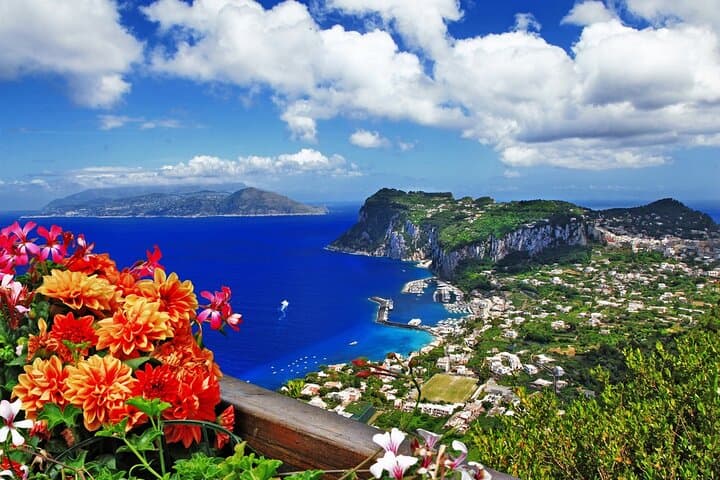
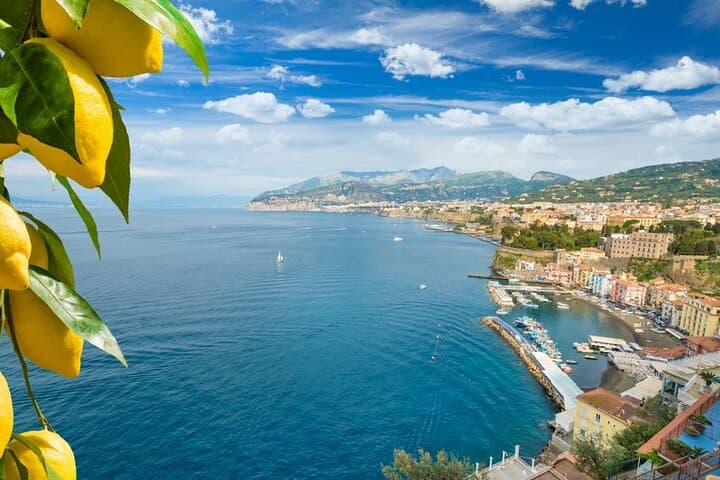
Later the road climbs the spine of the Sorrentine Peninsula, revealing the Amalfi Coast’s vertical geometry: terraces, lemon groves, and cliffside towns clinging to blue. Positano’s stepped lanes lead to pebble beaches and a church dome glazed in majolica tiles. For those who want a brisk out-and-back, the Path of the Gods offers exposed ledges and sweeping panoramas; for a gentler pace, seaside cafes and artisan shops pace the itinerary.
Geology and history are inseparable here — Vesuvius’s eruption created the very burial that conserved Pompeii, while tectonic uplift and marine erosion carved Amalfi’s coves. Cultural notes: local ceramics, limoncello, and handcrafted leather reflect centuries of coastal craft.
Practical guidance: it’s a long, full day — expect roughly 10 hours, significant driving, and uneven walking surfaces. Wear sturdy shoes, carry water, and plan lightweight layers for coastal breezes. If you want to include boat time or a guided archaeological tour inside Pompeii, request that when booking to adjust timing. Aim for early departures to beat crowds in Pompeii and late afternoons to catch the golden light on Amalfi’s cliffs.
moderate.
10 hours.
Suitable for travelers comfortable with a long day of driving plus walking on uneven archaeological terrain and steep coastal steps.
Expect roughly 2.5–3 hours each way by private car, depending on traffic; the full tour is about 10 hours including stops.
Admission is typically not included — confirm at booking; most private tours allow time for self-guided visits or an added licensed guide.
Yes: private tours offer flexible routing — you can prioritize Pompeii, spend more time in Positano, or add a short coastal boat excursion if arranged in advance.
Generally yes; the tour notes stroller access and infant seats are available, but be prepared for uneven ground in Pompeii and many stairs in Amalfi towns.
Pompeii was buried by Vesuvius in 79 AD and preserved under ash; the Amalfi Coast developed as a maritime republic and trading hub in the Middle Ages.
Visitors should stick to marked paths in Pompeii to protect fragile ruins and avoid removing artifacts; coastal communities encourage sustainable tourism to preserve terraces and marine habitats.
Eternal City Private and Guided Tours operates guided outdoor trips and adventures with an emphasis on safety, stewardship, and memorable experiences.


You step into the car in Rome before dawn and watch the city shrink into vineyards and folded hills as the driver eases toward the Bay of Naples. By midmorning the air changes — a mix of salt and volcanic stone — and the ruins of Pompeii open like a broken city map. Walking its streets, the silence of plaster casts and storefronts gives form to lives interrupted in 79 AD; the Forum, baths, and theaters outline ordinary routines preserved under ash.
You step into the car in Rome before dawn and watch the city shrink into vineyards and folded hills as the driver eases toward the Bay of Naples. By midmorning the air changes — a mix of salt and volcanic stone — and the ruins of Pompeii open like a broken city map. Walking its streets, the silence of plaster casts and storefronts gives form to lives interrupted in 79 AD; the Forum, baths, and theaters outline ordinary routines preserved under ash.
Later the road climbs the spine of the Sorrentine Peninsula, revealing the Amalfi Coast’s vertical geometry: terraces, lemon groves, and cliffside towns clinging to blue. Positano’s stepped lanes lead to pebble beaches and a church dome glazed in majolica tiles. For those who want a brisk out-and-back, the Path of the Gods offers exposed ledges and sweeping panoramas; for a gentler pace, seaside cafes and artisan shops pace the itinerary.
Geology and history are inseparable here — Vesuvius’s eruption created the very burial that conserved Pompeii, while tectonic uplift and marine erosion carved Amalfi’s coves. Cultural notes: local ceramics, limoncello, and handcrafted leather reflect centuries of coastal craft.
Practical guidance: it’s a long, full day — expect roughly 10 hours, significant driving, and uneven walking surfaces. Wear sturdy shoes, carry water, and plan lightweight layers for coastal breezes. If you want to include boat time or a guided archaeological tour inside Pompeii, request that when booking to adjust timing. Aim for early departures to beat crowds in Pompeii and late afternoons to catch the golden light on Amalfi’s cliffs.