THE ADVENTURE COLLECTIVE® · Independent discovery and booking for outdoor travel

Walk the streets frozen by Vesuvius on a focused 2½-hour guided tour of Pompeii. Expect well-paced archaeology, expert narration and the option to continue exploring the park after the tour.
Walk the streets frozen by Vesuvius on a focused 2½-hour guided tour of Pompeii. Expect well-paced archaeology, expert narration and the option to continue exploring the park after the tour.
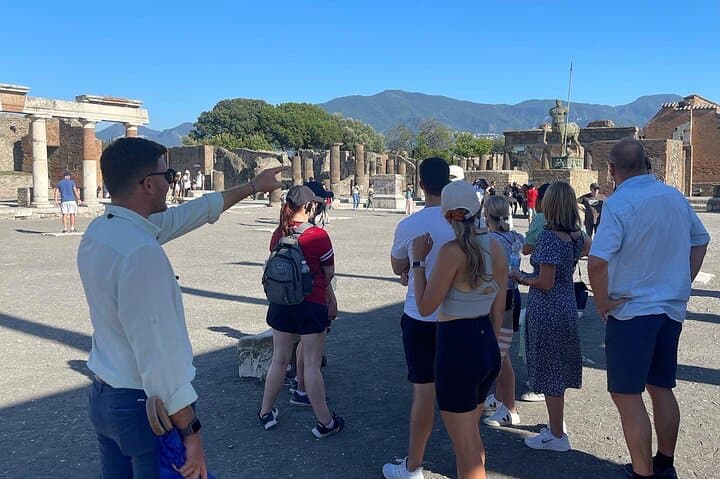
Stepping through Pompeii’s Porta Marina, the street stones still remember the footfalls of merchants and slaves. In a 2½-hour guided sweep, visitors move from sun-scorched forums to shadowed atriums, hearing a guide point out plaster casts of lost lives while Mount Vesuvius keeps watch on the horizon.
Verified experiences and guided adventures in the surrounding area.
Operated by Gennaro Balzano · Pompeii, Campania
Stepping through Pompeii’s Porta Marina, the street stones still remember the footfalls of merchants and slaves. In a 2½-hour guided sweep, visitors move from sun-scorched forums to shadowed atriums, hearing a guide point out plaster casts of lost lives while Mount Vesuvius keeps watch on the horizon.
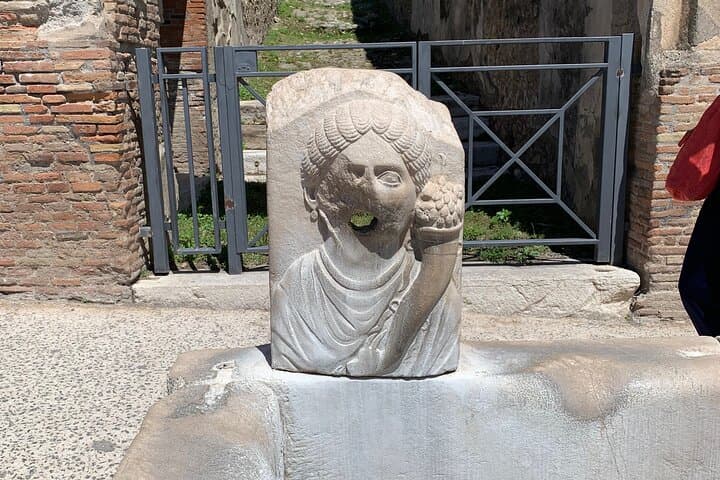
Pompeii’s story is immediate: buried under ash in AD 79, the city froze in a moment of Roman daily life. The volcanic sediment preserved buildings, frescoes and public baths, giving rare access to Roman urban planning and social customs. Geologically, the fine ash that entombed Pompeii also created the detailed impressions archaeologists uncover today. Culturally, the city reads like a social map—shops with counters, solemn temples, and homes that reveal domestic rituals.
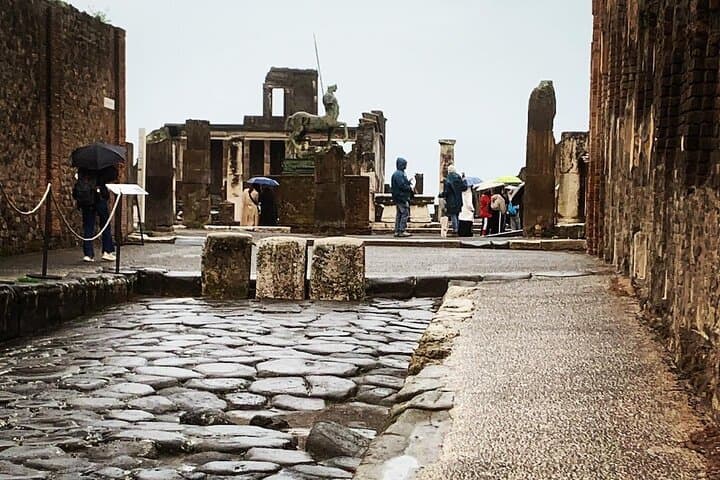
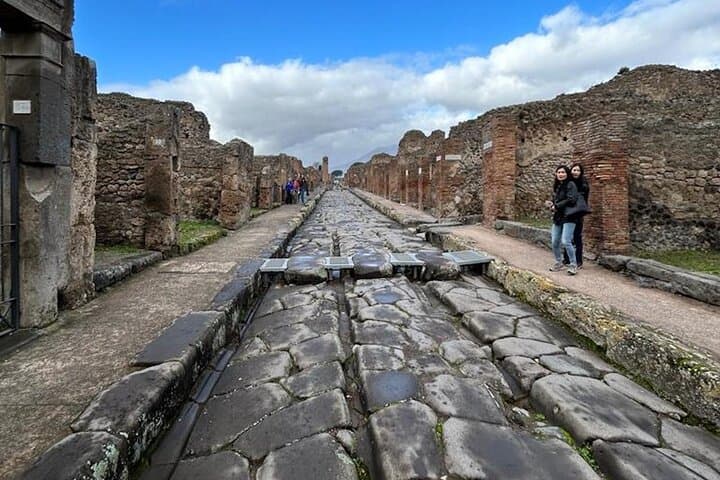
Expect uneven basalt streets, open courtyards where painters once worked, and moments of quiet beside private gardens. Guides typically use headsets so details aren’t lost in the crowd; groups size and weather shape the pace.
Practical guidance: wear sturdy, closed shoes for cobbles and short climbs; bring 1–1.5 L of water in summer and a lightweight rain layer in cooler months. Cameras are allowed but respect signs and barriers—many areas are fragile. The tour ends inside the park so travelers can continue independently; check meeting points and the exact language offered at booking. Aim for early-morning departures to avoid heat and crowds and give yourself time afterward to linger at favorites like the Villa of the Mysteries or the Garden of the Fugitives.
easy.
2–2.5 hours.
Suitable for most fitness levels; requires standing and walking on uneven ground for the tour duration.
Tickets are not typically included; the tour provides skip-the-line assistance at the ticket office so you spend less time waiting and more time inside the park.
The visit is family-friendly but many paths are uneven and not stroller-friendly—carrying infants is recommended on narrow sections.
Yes—participants are usually allowed to remain in the Archaeological Park to continue independently; confirm end location with the guide before leaving the group.
Guides use clear, accessible language but available languages vary by listing—check your booking confirmation for the specified tour language.
Pompeii was buried during Mount Vesuvius’s eruption in AD 79; the ash sealed a Roman city that provides a rare snapshot of ancient daily life.
Ongoing conservation balances public access with preservation—follow marked routes and avoid touching archaeological surfaces to protect fragile remains.
Gennaro Balzano operates guided outdoor trips and adventures with an emphasis on safety, stewardship, and memorable experiences.
Stepping through Pompeii’s Porta Marina, the street stones still remember the footfalls of merchants and slaves. In a 2½-hour guided sweep, visitors move from sun-scorched forums to shadowed atriums, hearing a guide point out plaster casts of lost lives while Mount Vesuvius keeps watch on the horizon.
Stepping through Pompeii’s Porta Marina, the street stones still remember the footfalls of merchants and slaves. In a 2½-hour guided sweep, visitors move from sun-scorched forums to shadowed atriums, hearing a guide point out plaster casts of lost lives while Mount Vesuvius keeps watch on the horizon.
Pompeii’s story is immediate: buried under ash in AD 79, the city froze in a moment of Roman daily life. The volcanic sediment preserved buildings, frescoes and public baths, giving rare access to Roman urban planning and social customs. Geologically, the fine ash that entombed Pompeii also created the detailed impressions archaeologists uncover today. Culturally, the city reads like a social map—shops with counters, solemn temples, and homes that reveal domestic rituals.
Expect uneven basalt streets, open courtyards where painters once worked, and moments of quiet beside private gardens. Guides typically use headsets so details aren’t lost in the crowd; groups size and weather shape the pace.
Practical guidance: wear sturdy, closed shoes for cobbles and short climbs; bring 1–1.5 L of water in summer and a lightweight rain layer in cooler months. Cameras are allowed but respect signs and barriers—many areas are fragile. The tour ends inside the park so travelers can continue independently; check meeting points and the exact language offered at booking. Aim for early-morning departures to avoid heat and crowds and give yourself time afterward to linger at favorites like the Villa of the Mysteries or the Garden of the Fugitives.