THE ADVENTURE COLLECTIVE® · Independent discovery and booking for outdoor travel

Spend an afternoon in Paopao Valley learning to make poisson cru, coconut bread and po'e with local culinary guides. This private, wheelchair-accessible workshop includes garden visits, hands-on cooking, and a shared lunch.
Spend an afternoon in Paopao Valley learning to make poisson cru, coconut bread and po'e with local culinary guides. This private, wheelchair-accessible workshop includes garden visits, hands-on cooking, and a shared lunch.
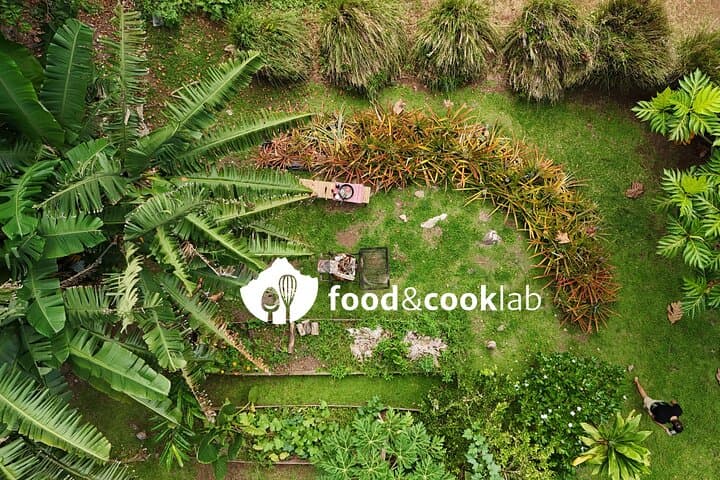
The air in Paopao Valley tastes of salt, pineapple and fresh coconut as you step from a shaded lane into a working garden and teaching kitchen.
Verified experiences and guided adventures in the surrounding area.
Operated by Food&CookLab Tahiti-Moorea · Paopao, Society Islands
The air in Paopao Valley tastes of salt, pineapple and fresh coconut as you step from a shaded lane into a working garden and teaching kitchen.
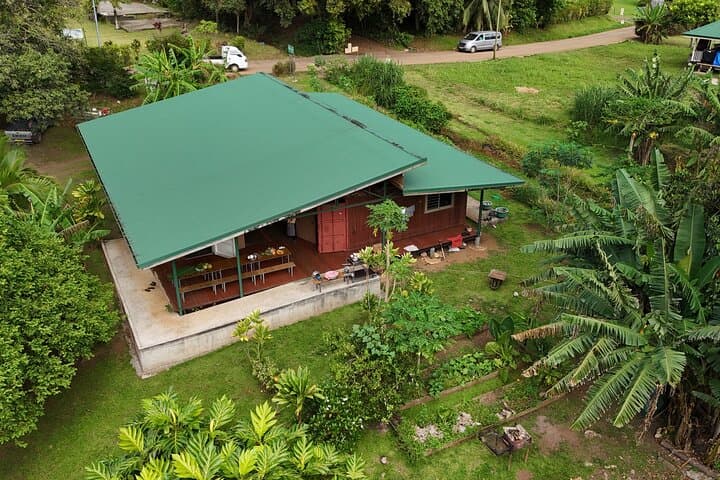
In a professional workshop next to a small production laboratory, local guides Stevenson and Audrey lead a private, hands-on session where you learn to make classic Polynesian dishes—poisson cru (raw fish in coconut milk), ipo coconut bread and po'e—while watching coconuts pressed into milk and fruit folded into dessert leaves.
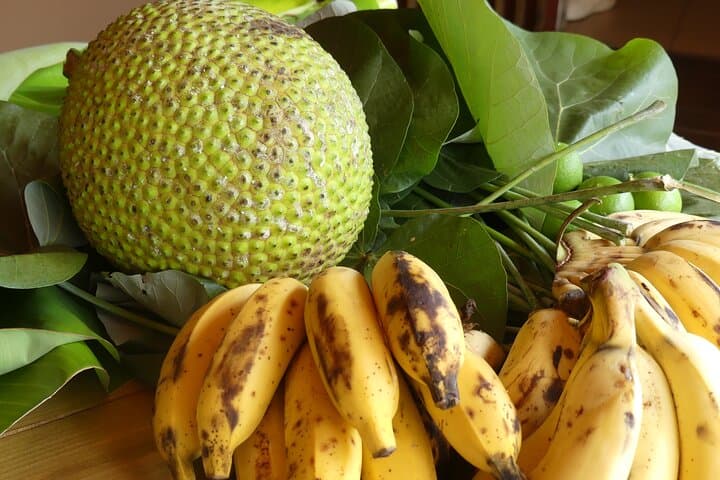
Moorea’s human history threads through this afternoon: Polynesian voyagers brought taro, breadfruit and the cooking methods still used today; later European contact and plantation agriculture reshaped the island’s economy and introduced new ingredients. Geologically, the valley sits in the island’s volcanic interior where former lava flows and rich alluvial soils feed the pineapple plots and backyard orchards you’ll visit.
The experience blends culture, taste and practical skill. Expect a 3.5-hour private workshop with snacks, lunch, and coffee or tea included; the site is wheelchair-accessible and accommodates special dietary requests when notified. You’ll handle knives, presses and leaves, so closed-toe shoes and a respectful pace are recommended.
Practical tips: book with mobile ticketing and allow at least three hours on your itinerary; cancel 24 hours ahead for a refund; declare allergies when booking. Take water, sun protection for garden walks, and a small notebook for recipes.
This is a garden-to-table introduction to Moorea’s foodways—an easy, sensory way to understand local life while learning recipes you can cook at home.
easy.
3–4 hours.
Low; suitable for most travelers who can stand for food prep and walk short garden paths
The workshop runs about 3.5 hours (210 minutes) and includes garden time, cooking, and a shared meal.
Yes—the facility and transportation options noted by the operator are wheelchair accessible; confirm any mobility needs when booking.
Hosts can accommodate dietary restrictions if you indicate special requirements during booking; always note allergies before arrival.
Full refund available if you cancel at least 24 hours before the scheduled start; no refund within 24 hours.
Polynesian food culture on Moorea combines centuries-old practices—taro, breadfruit and coconut cooking—with influences from European plantation agriculture introduced in the 19th century.
Choose low-waste practices: bring a reusable bottle and support workshops that source produce locally to reduce food miles and protect reef health.
Food&CookLab Tahiti-Moorea operates guided outdoor trips and adventures with an emphasis on safety, stewardship, and memorable experiences.
The air in Paopao Valley tastes of salt, pineapple and fresh coconut as you step from a shaded lane into a working garden and teaching kitchen.
The air in Paopao Valley tastes of salt, pineapple and fresh coconut as you step from a shaded lane into a working garden and teaching kitchen.
In a professional workshop next to a small production laboratory, local guides Stevenson and Audrey lead a private, hands-on session where you learn to make classic Polynesian dishes—poisson cru (raw fish in coconut milk), ipo coconut bread and po'e—while watching coconuts pressed into milk and fruit folded into dessert leaves.
Moorea’s human history threads through this afternoon: Polynesian voyagers brought taro, breadfruit and the cooking methods still used today; later European contact and plantation agriculture reshaped the island’s economy and introduced new ingredients. Geologically, the valley sits in the island’s volcanic interior where former lava flows and rich alluvial soils feed the pineapple plots and backyard orchards you’ll visit.
The experience blends culture, taste and practical skill. Expect a 3.5-hour private workshop with snacks, lunch, and coffee or tea included; the site is wheelchair-accessible and accommodates special dietary requests when notified. You’ll handle knives, presses and leaves, so closed-toe shoes and a respectful pace are recommended.
Practical tips: book with mobile ticketing and allow at least three hours on your itinerary; cancel 24 hours ahead for a refund; declare allergies when booking. Take water, sun protection for garden walks, and a small notebook for recipes.
This is a garden-to-table introduction to Moorea’s foodways—an easy, sensory way to understand local life while learning recipes you can cook at home.