THE ADVENTURE COLLECTIVE® · Independent discovery and booking for outdoor travel

Spend two hours on a Kona hillside carving a tiki under a fourth-generation master carver from Tonga. Expect hands-on instruction, locally sourced wood and views over coffee country that root the craft in Hawaiʻi’s landscape.
Spend two hours on a Kona hillside carving a tiki under a fourth-generation master carver from Tonga. Expect hands-on instruction, locally sourced wood and views over coffee country that root the craft in Hawaiʻi’s landscape.
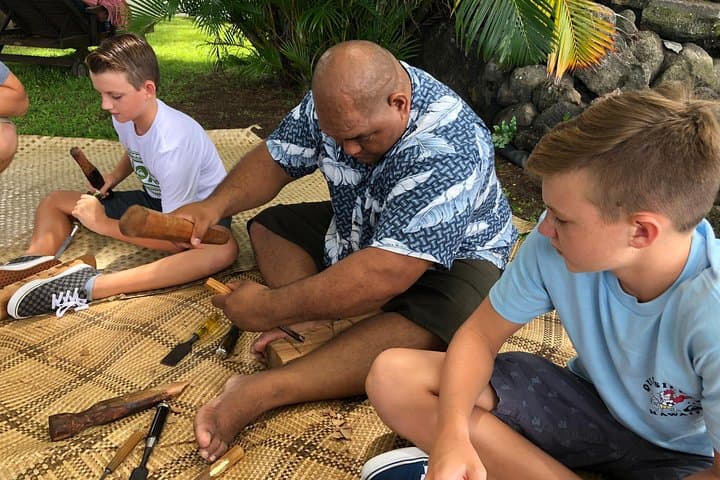
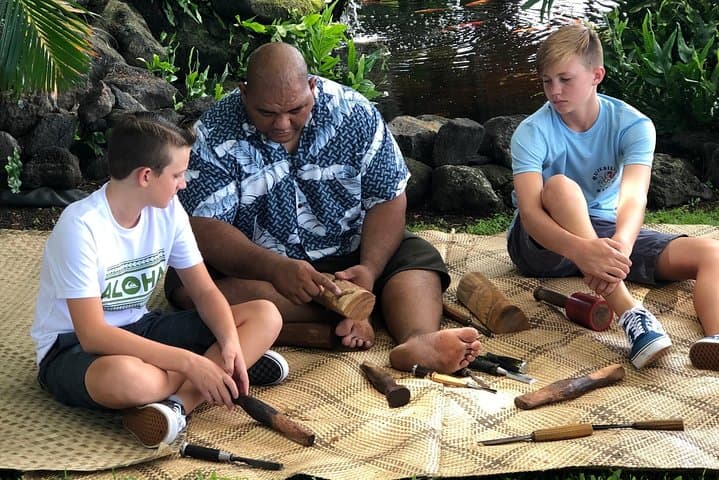
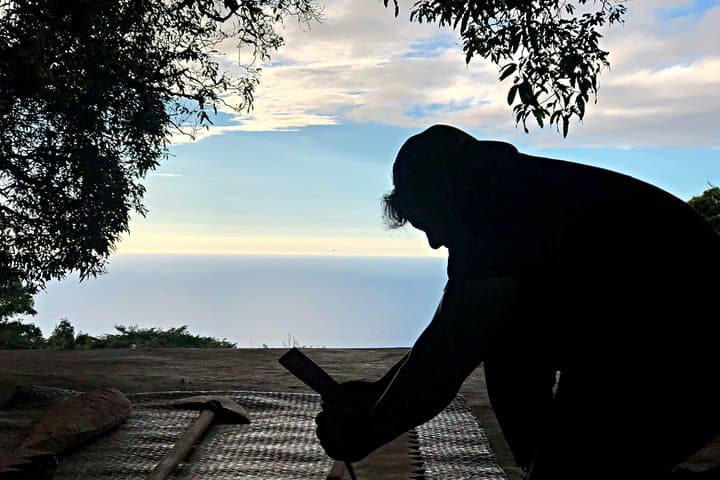
The workshop opens on a sun-warmed hillside above Kona, where the smell of kiawe smoke and coffee trees rides the trade winds. You sit at a shaded bench, wood blocks stacked beside you, as a fourth-generation master carver from Tonga demonstrates a measured series of cuts—each stroke a language of island history. The sea glints below and the land’s volcanic bones slope away, anchoring the lesson in place.
Verified experiences and guided adventures in the surrounding area.
Operated by Aloha Adventure Farms · Holualoa, Hawaii
The workshop opens on a sun-warmed hillside above Kona, where the smell of kiawe smoke and coffee trees rides the trade winds. You sit at a shaded bench, wood blocks stacked beside you, as a fourth-generation master carver from Tonga demonstrates a measured series of cuts—each stroke a language of island history. The sea glints below and the land’s volcanic bones slope away, anchoring the lesson in place.
Carving tiki and figure forms reaches back through voyaging Polynesia: woodcarving recorded genealogy, gods, and protection. On Hawaiʻi Island the geology shapes the practice—lava-derived soils feed coffee farms on these slopes, and locally sourced hardwoods are chosen both for grain and sustainability. The master carver combines technique with storytelling: motifs, handed-down patterns, and the cultural protocols that honor origin and maker.
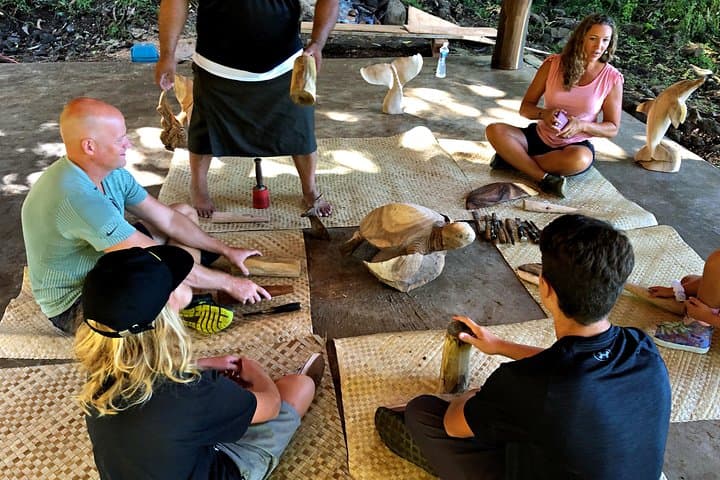
The class is practical and tactile. Over roughly two hours you learn basic tools, safe carving angles, and finish options; tools and locally grown wood are supplied. The setting is casual—small groups, room to ask questions, and views that orient the craft in place. Expect light standing, close instruction, and a finished tiki or figure you can pack home.
Plan for sun and wind: bring water, closed-toe shoes and a hat. The host accommodates a range of abilities but recommends moderate mobility. This is a cultural exchange as much as a hands-on session—arrive curious, leave with a carved piece and a clearer sense of Polynesian navigation of land, craft, and story.
moderate.
2 hours.
Light standing and manual dexterity required; participants should have moderate mobility and no severe back problems.
No — the master carver teaches foundational cuts, safety and finishing; beginners are welcome.
The listing notes wheelchair accessibility, but contact the provider ahead to confirm specific needs and bench heights.
Yes, but secure it in a hard-sided case and check airline rules for wooden artifacts and any wood import/export restrictions at your destination.
Yes — high-quality local wood and carving tools are supplied as part of the class.
Carving motifs reflect broader Polynesian voyaging cultures; tiki figures and carved icons carried lineage and protective roles across the islands and Tonga.
The workshop emphasizes locally sourced wood and respectful cultural practice; choose experiences that use sustainable wood and support local artisans.
Aloha Adventure Farms operates guided outdoor trips and adventures with an emphasis on safety, stewardship, and memorable experiences.
The workshop opens on a sun-warmed hillside above Kona, where the smell of kiawe smoke and coffee trees rides the trade winds. You sit at a shaded bench, wood blocks stacked beside you, as a fourth-generation master carver from Tonga demonstrates a measured series of cuts—each stroke a language of island history. The sea glints below and the land’s volcanic bones slope away, anchoring the lesson in place.
The workshop opens on a sun-warmed hillside above Kona, where the smell of kiawe smoke and coffee trees rides the trade winds. You sit at a shaded bench, wood blocks stacked beside you, as a fourth-generation master carver from Tonga demonstrates a measured series of cuts—each stroke a language of island history. The sea glints below and the land’s volcanic bones slope away, anchoring the lesson in place.
Carving tiki and figure forms reaches back through voyaging Polynesia: woodcarving recorded genealogy, gods, and protection. On Hawaiʻi Island the geology shapes the practice—lava-derived soils feed coffee farms on these slopes, and locally sourced hardwoods are chosen both for grain and sustainability. The master carver combines technique with storytelling: motifs, handed-down patterns, and the cultural protocols that honor origin and maker.
The class is practical and tactile. Over roughly two hours you learn basic tools, safe carving angles, and finish options; tools and locally grown wood are supplied. The setting is casual—small groups, room to ask questions, and views that orient the craft in place. Expect light standing, close instruction, and a finished tiki or figure you can pack home.
Plan for sun and wind: bring water, closed-toe shoes and a hat. The host accommodates a range of abilities but recommends moderate mobility. This is a cultural exchange as much as a hands-on session—arrive curious, leave with a carved piece and a clearer sense of Polynesian navigation of land, craft, and story.