THE ADVENTURE COLLECTIVE® · Independent discovery and booking for outdoor travel

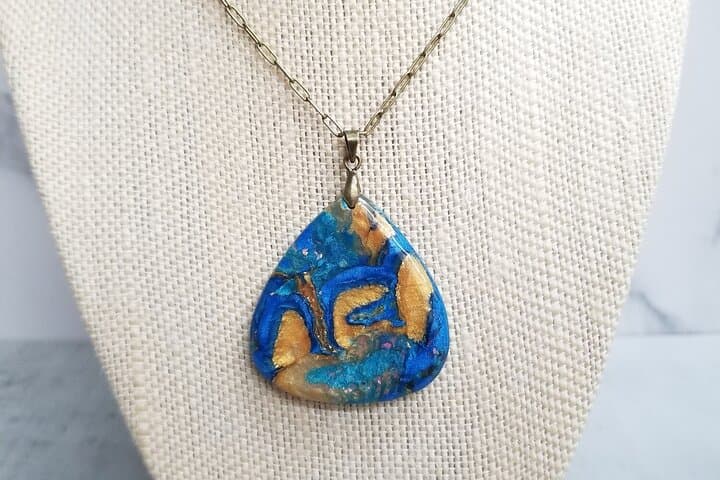
Spend two focused hours learning to condition, color, texture and bake polymer clay into wearable pendants in a compact Newark studio. Materials and tools are supplied, and each participant makes up to two finished necklaces.
Spend two focused hours learning to condition, color, texture and bake polymer clay into wearable pendants in a compact Newark studio. Materials and tools are supplied, and each participant makes up to two finished necklaces.
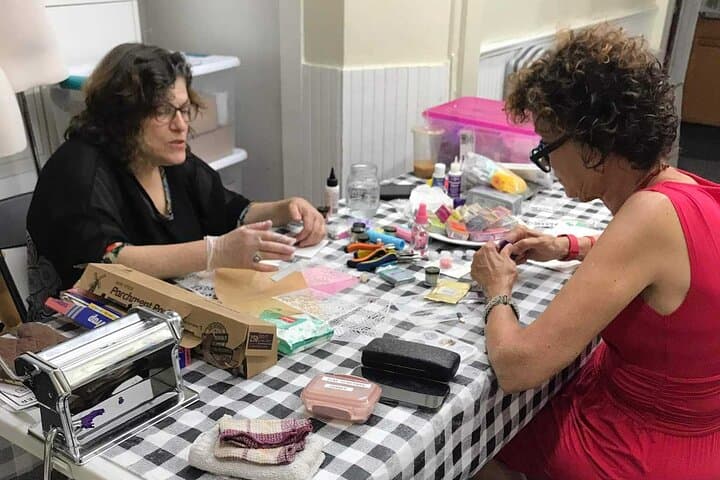
You step into a bright studio in Newark, worktables lined with clay blocks like a painter’s palette. The instructor welcomes you with a demonstration blade and a sense of order; the room smells faintly of warm plastic and citrus polish as students condition clay at their stations.
Verified experiences and guided adventures in the surrounding area.
Operated by The Eclectic Chic Boutique · Newark, New Jersey
You step into a bright studio in Newark, worktables lined with clay blocks like a painter’s palette. The instructor welcomes you with a demonstration blade and a sense of order; the room smells faintly of warm plastic and citrus polish as students condition clay at their stations.
Polymer clay is a modern material — a PVC-based medium developed in the mid-20th century — but the impulse to shape personal adornment ties back to local manufacturing roots. Newark’s industrial past and present-day creative neighborhoods, including the nearby Ironbound, give these short workshops a pragmatic, hands-on energy where craft meets city life.
Though not a geological clay, polymer clay borrows techniques from traditional ceramics: conditioning, layering pigments, and imprinting textures. The class also leans on basic jewelry practice — simple findings, stringing, and a clean bake so pieces hold up to wear.
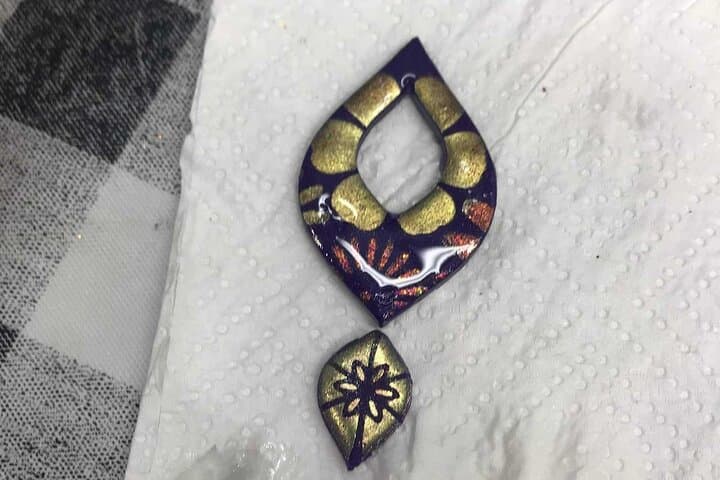
Expect clear, compact instruction: how to condition clay, combine colors and mica, apply stamps and cutters, bake correctly, and finish with findings. Each participant makes up to two pendants; all tools and materials are provided.
Practical advice: wear clothes you don’t mind getting a little dusty, bring a small bag for finished pieces, and arrive 10 minutes early to settle in. The studio is accessible by public transit and typically enforces a 24-hour cancellation policy for full refunds. For beginners and repeat makers alike, this two‑hour class is a focused way to leave with handmade jewelry and new technique confidence.
easy.
2 hours.
No specific fitness level required — steady hand and seated focus for two hours recommended
No — the class is beginner-friendly with step-by-step instruction; all materials and tools are provided.
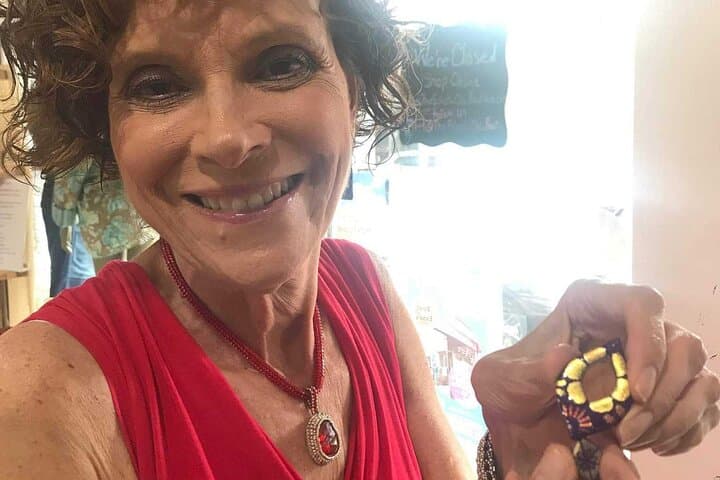
Each participant can make up to two necklace pendants during the two-hour session.
For a full refund cancel at least 24 hours before the scheduled start time; late cancellations are non‑refundable.
Children may attend if the studio permits them, but parents should check minimum age guidance and supervise — infants must sit on laps per studio rules.
Newark has a long manufacturing and craft history; small workshops continue a local tradition of hands-on production and applied arts.
The class minimizes waste by providing shared tools and curated materials; bring reusable containers when possible and ask about recycling of leftover clay.
The Eclectic Chic Boutique operates guided outdoor trips and adventures with an emphasis on safety, stewardship, and memorable experiences.
You step into a bright studio in Newark, worktables lined with clay blocks like a painter’s palette. The instructor welcomes you with a demonstration blade and a sense of order; the room smells faintly of warm plastic and citrus polish as students condition clay at their stations.
You step into a bright studio in Newark, worktables lined with clay blocks like a painter’s palette. The instructor welcomes you with a demonstration blade and a sense of order; the room smells faintly of warm plastic and citrus polish as students condition clay at their stations.
Polymer clay is a modern material — a PVC-based medium developed in the mid-20th century — but the impulse to shape personal adornment ties back to local manufacturing roots. Newark’s industrial past and present-day creative neighborhoods, including the nearby Ironbound, give these short workshops a pragmatic, hands-on energy where craft meets city life.
Though not a geological clay, polymer clay borrows techniques from traditional ceramics: conditioning, layering pigments, and imprinting textures. The class also leans on basic jewelry practice — simple findings, stringing, and a clean bake so pieces hold up to wear.
Expect clear, compact instruction: how to condition clay, combine colors and mica, apply stamps and cutters, bake correctly, and finish with findings. Each participant makes up to two pendants; all tools and materials are provided.
Practical advice: wear clothes you don’t mind getting a little dusty, bring a small bag for finished pieces, and arrive 10 minutes early to settle in. The studio is accessible by public transit and typically enforces a 24-hour cancellation policy for full refunds. For beginners and repeat makers alike, this two‑hour class is a focused way to leave with handmade jewelry and new technique confidence.