THE ADVENTURE COLLECTIVE® · Independent discovery and booking for outdoor travel

Move, sweat and learn: PolyFit blends Hula, Tahitian and Samoan steps into a 60-minute, AFAA-accredited dance fitness class at the Queen Kaʻahumanu Center. Perfect for beginners, the session pairs cardio and core work with cultural context from the center’s "Migrations" galleries.
Move, sweat and learn: PolyFit blends Hula, Tahitian and Samoan steps into a 60-minute, AFAA-accredited dance fitness class at the Queen Kaʻahumanu Center. Perfect for beginners, the session pairs cardio and core work with cultural context from the center’s "Migrations" galleries.
The studio hums with quiet energy: palms outside the mall sway and the air carries a faint salt-spray memory from nearby Kanaha Beach, while inside a circle of students mirror an instructor’s steady hips and hand motions. In one hour you move through Hula, Tahitian and Samoan steps that trace centuries of Pacific navigation, ritual and social life — translated into a high-energy, AFAA-accredited fitness routine that focuses on core strength and rhythm.
Verified experiences and guided adventures in the surrounding area.
Operated by Oni Foundation Inc - Wonderful World of Aloha Cultural Activity Center · Kahului, HI
The studio hums with quiet energy: palms outside the mall sway and the air carries a faint salt-spray memory from nearby Kanaha Beach, while inside a circle of students mirror an instructor’s steady hips and hand motions. In one hour you move through Hula, Tahitian and Samoan steps that trace centuries of Pacific navigation, ritual and social life — translated into a high-energy, AFAA-accredited fitness routine that focuses on core strength and rhythm.
Hula and other Polynesian dances are living records of migration across the Pacific; their gestures once mapped coastlines, weather and genealogy. Maui’s central valley around Kahului sits on volcanic ground shaped by Haleakalā’s long eruptions, and the island’s cultural mix — native Hawaiian, Pacific Islander and plantation-era migrants — shows up in the class’ multicultural approach. The Wonderful World of Aloha pairs movement with a small gallery called "Migrations," offering context for the costumes and implements you’ll see.
Practical guidance: classes are 60 minutes, barefoot (or light dance socks), and designed for all ages and fitness levels. The space at Queen Kaʻahumanu Center is wheelchair accessible and easy to reach by bus; arrive 10–15 minutes early to warm up and check in. Hydrate before and after — the work is deceptively aerobic — and tell the instructor about injuries or pregnancy restrictions. Wear breathable layers you can move in and plan for some standing, footwork and hip-focused conditioning. Bring a water bottle and an open attitude: this is part workout, part cultural introduction, and a lively way to connect with Maui’s Pacific heritage.
easy.
1 hour.
Suitable for beginners and families; expect light-to-moderate aerobic and core work
No — PolyFit is tailored for beginners and focuses on basic steps, cardio and core work rather than advanced choreography.
Yes — the Queen Kaʻahumanu Center studio and surfaces are wheelchair accessible; contact the provider ahead for specific accommodations.
Wear breathable activewear, go barefoot or use thin dance socks, and bring a water bottle; a small towel is helpful.
Full refund is available if you cancel at least 24 hours before the scheduled class; check your booking confirmation for details.
The dances taught trace Polynesian migration and local Hawaiian storytelling traditions; costumes and implements reflect centuries of Pacific exchange.
Support local cultural centers, respect gallery artifacts and avoid bringing plastics to class; Maui is sensitive to visitor impact on cultural and natural sites.
Oni Foundation Inc - Wonderful World of Aloha Cultural Activity Center operates guided outdoor trips and adventures with an emphasis on safety, stewardship, and memorable experiences.
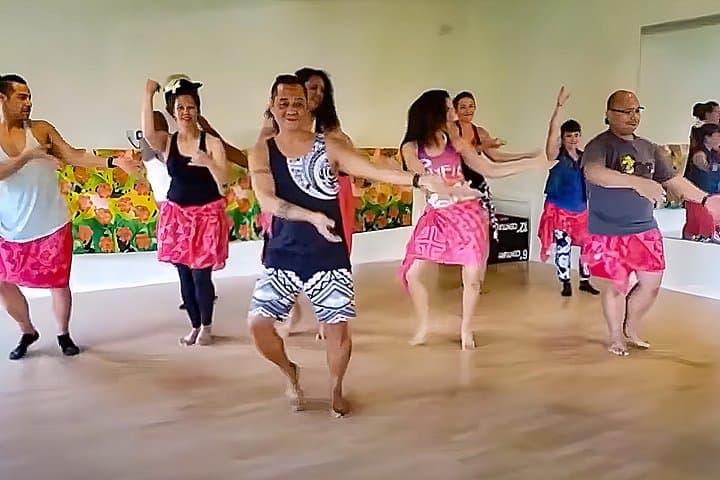
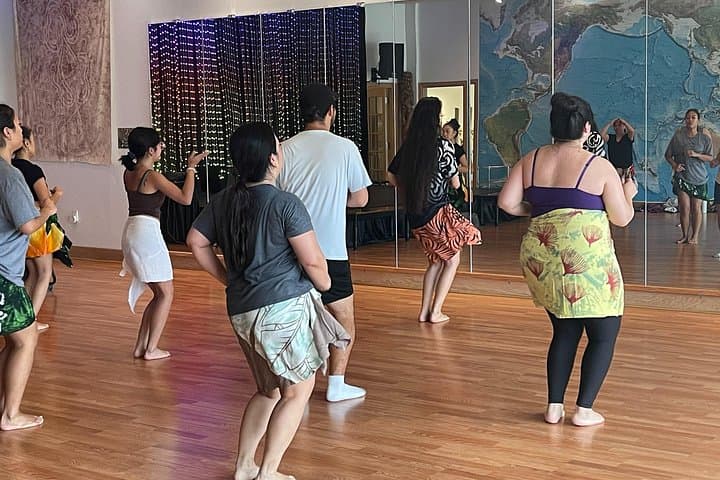
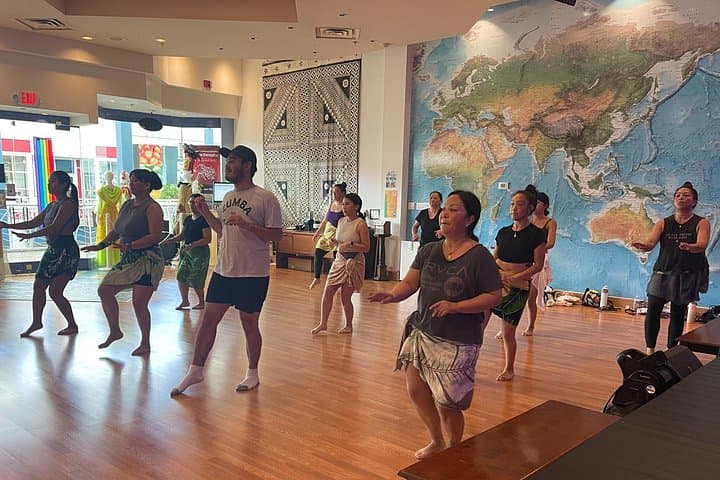
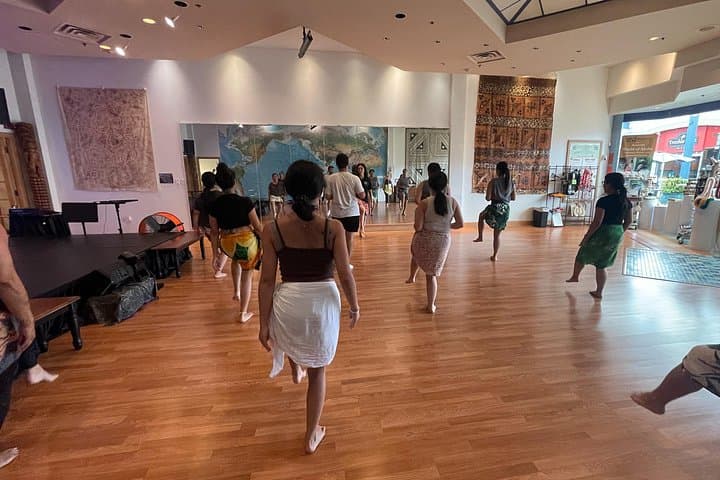
The studio hums with quiet energy: palms outside the mall sway and the air carries a faint salt-spray memory from nearby Kanaha Beach, while inside a circle of students mirror an instructor’s steady hips and hand motions. In one hour you move through Hula, Tahitian and Samoan steps that trace centuries of Pacific navigation, ritual and social life — translated into a high-energy, AFAA-accredited fitness routine that focuses on core strength and rhythm.
The studio hums with quiet energy: palms outside the mall sway and the air carries a faint salt-spray memory from nearby Kanaha Beach, while inside a circle of students mirror an instructor’s steady hips and hand motions. In one hour you move through Hula, Tahitian and Samoan steps that trace centuries of Pacific navigation, ritual and social life — translated into a high-energy, AFAA-accredited fitness routine that focuses on core strength and rhythm.
Hula and other Polynesian dances are living records of migration across the Pacific; their gestures once mapped coastlines, weather and genealogy. Maui’s central valley around Kahului sits on volcanic ground shaped by Haleakalā’s long eruptions, and the island’s cultural mix — native Hawaiian, Pacific Islander and plantation-era migrants — shows up in the class’ multicultural approach. The Wonderful World of Aloha pairs movement with a small gallery called "Migrations," offering context for the costumes and implements you’ll see.
Practical guidance: classes are 60 minutes, barefoot (or light dance socks), and designed for all ages and fitness levels. The space at Queen Kaʻahumanu Center is wheelchair accessible and easy to reach by bus; arrive 10–15 minutes early to warm up and check in. Hydrate before and after — the work is deceptively aerobic — and tell the instructor about injuries or pregnancy restrictions. Wear breathable layers you can move in and plan for some standing, footwork and hip-focused conditioning. Bring a water bottle and an open attitude: this is part workout, part cultural introduction, and a lively way to connect with Maui’s Pacific heritage.