THE ADVENTURE COLLECTIVE® · Independent discovery and booking for outdoor travel

Make a long-but-rewarding day of it: travel from Colombo to Polonnaruwa to walk centuries of Sri Lankan history. This full-day tour covers the major UNESCO-listed temples, royal complexes, and the vast Parakrama reservoir with local guidance and practical pacing.
Make a long-but-rewarding day of it: travel from Colombo to Polonnaruwa to walk centuries of Sri Lankan history. This full-day tour covers the major UNESCO-listed temples, royal complexes, and the vast Parakrama reservoir with local guidance and practical pacing.
Before the sun fully climbs, the air-conditioned van pulls away from Colombo and the road unfolds into flat paddy plains. By midmorning the land opens into Sun-baked stone and shaded courtyards — Polonnaruwa’s ruins stand like chapters of a history book, sun-bleached but readable.
Verified experiences and guided adventures in the surrounding area.
Operated by OTN Experiences · Polonnaruwa, North Central Province
Before the sun fully climbs, the air-conditioned van pulls away from Colombo and the road unfolds into flat paddy plains. By midmorning the land opens into Sun-baked stone and shaded courtyards — Polonnaruwa’s ruins stand like chapters of a history book, sun-bleached but readable.
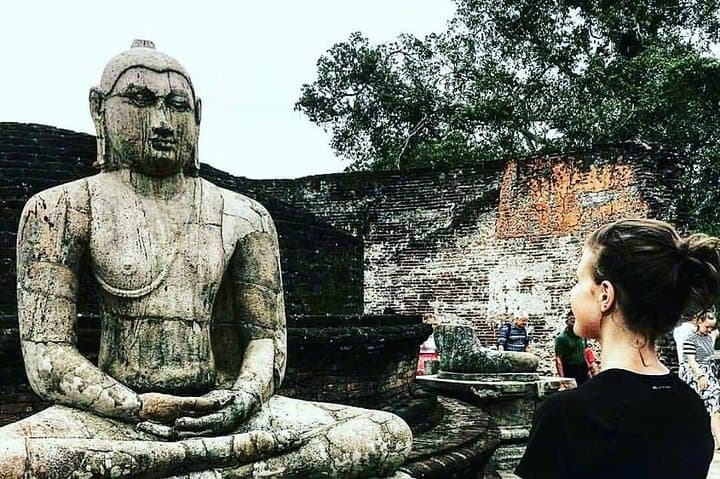
The city was Sri Lanka’s capital from the 11th to 13th centuries under rulers such as Vijayabahu I and Parakramabahu the Great; their irrigation works and stone carvings still shape the landscape. Granite platforms and carved Buddha images were sculpted from the island’s ancient rocks, while Parakrama Samudra — the king’s reservoir — watches over the plain like a patient harbor for birds and buffalo.
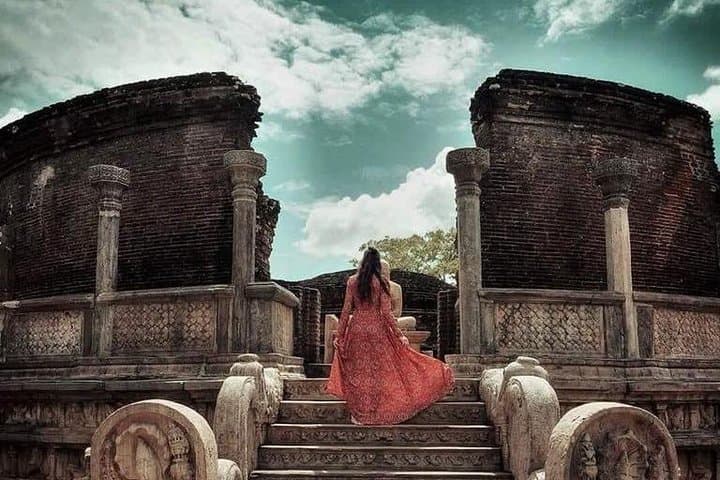
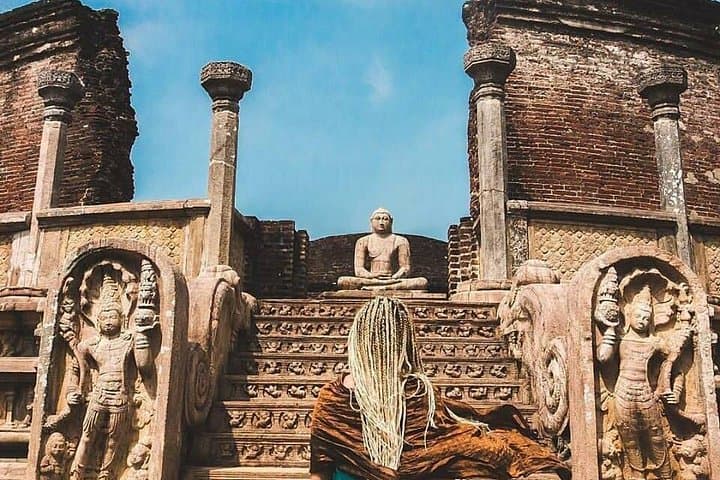
Culturally the site blends Buddhist shrines, Hindu devales, and royal architecture. Expect to see the Vatadage’s concentric stonework, the reclining Gal Vihara image, and the Royal Palace foundations, each revealing construction techniques and iconography from medieval Sri Lanka.
Practically, this is a long but accessible day: plan for a 4–5 hour drive each way and 3–5 hours exploring on foot. Wear breathable layers, sun protection, and sturdy shoes for uneven stone and dusty paths. Hydrate often; shade is limited and temples can be warm. Bring local cash for the site ticket and small vendors, and respect signage — climbing on statues is prohibited. Your guide will pace the highlights and leave time for photo stops along Parakrama Samudra.
This itinerary suits travelers seeking concentrated cultural history in a single, full day of travel — immersive, informative, and grounded in practical timing.
moderate.
12–14 hours (door-to-door).
Reasonable stamina for several hours of walking on uneven ground and climbing short stone steps
Expect about 4–5 hours each way depending on traffic; the tour is a full-day outing starting pre-dawn.
Yes — the archaeological park charges an admission fee collected at the site entrance; bring local currency and your passport if requested.
Parts of the park are family-friendly, but there is considerable walking on uneven stone and minimal shade; the tour notes advise moderate fitness and may not suit those with mobility issues.
There are small vendors and shaded stalls near the main attractions; guides often provide bottled water and seasonal fruit during the day.
Polonnaruwa served as Sri Lanka’s capital from the 11th–13th centuries; rulers like Parakramabahu engineered vast reservoirs and built monumental stone complexes.
The Archaeological Department manages the site; visitors should avoid touching carvings, deposit trash in bins, and follow pathways to limit erosion and preserve fragile masonry.
OTN Experiences operates guided outdoor trips and adventures with an emphasis on safety, stewardship, and memorable experiences.
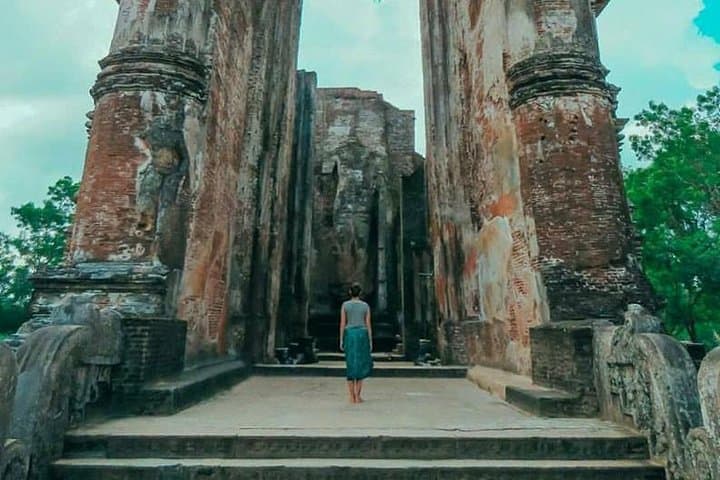
Before the sun fully climbs, the air-conditioned van pulls away from Colombo and the road unfolds into flat paddy plains. By midmorning the land opens into Sun-baked stone and shaded courtyards — Polonnaruwa’s ruins stand like chapters of a history book, sun-bleached but readable.
Before the sun fully climbs, the air-conditioned van pulls away from Colombo and the road unfolds into flat paddy plains. By midmorning the land opens into Sun-baked stone and shaded courtyards — Polonnaruwa’s ruins stand like chapters of a history book, sun-bleached but readable.
The city was Sri Lanka’s capital from the 11th to 13th centuries under rulers such as Vijayabahu I and Parakramabahu the Great; their irrigation works and stone carvings still shape the landscape. Granite platforms and carved Buddha images were sculpted from the island’s ancient rocks, while Parakrama Samudra — the king’s reservoir — watches over the plain like a patient harbor for birds and buffalo.
Culturally the site blends Buddhist shrines, Hindu devales, and royal architecture. Expect to see the Vatadage’s concentric stonework, the reclining Gal Vihara image, and the Royal Palace foundations, each revealing construction techniques and iconography from medieval Sri Lanka.
Practically, this is a long but accessible day: plan for a 4–5 hour drive each way and 3–5 hours exploring on foot. Wear breathable layers, sun protection, and sturdy shoes for uneven stone and dusty paths. Hydrate often; shade is limited and temples can be warm. Bring local cash for the site ticket and small vendors, and respect signage — climbing on statues is prohibited. Your guide will pace the highlights and leave time for photo stops along Parakrama Samudra.
This itinerary suits travelers seeking concentrated cultural history in a single, full day of travel — immersive, informative, and grounded in practical timing.