THE ADVENTURE COLLECTIVE® · Independent discovery and booking for outdoor travel

Take a full-day, private transfer from Kandy to Polonnaruwa to explore a compact core of royal palaces, stupas and the famed Gal Vihara rock carvings. This practical guide outlines history, terrain and what to pack so you can make the most of the archaeological park.
Take a full-day, private transfer from Kandy to Polonnaruwa to explore a compact core of royal palaces, stupas and the famed Gal Vihara rock carvings. This practical guide outlines history, terrain and what to pack so you can make the most of the archaeological park.
You arrive before the heat builds, the road from Kandy unfurling through paddy flats while the dry scrub of the North Central plain leans into view. Stones and stupas begin to punctuate the horizon, and the ancient city of Polonnaruwa presents itself not as a single monument but as a spread of carved rock, brick dagobas and sun-worn courtyards you can walk through.
Verified experiences and guided adventures in the surrounding area.
Operated by Lux Tours Lanka · Polonnaruwa, North Central Province
You arrive before the heat builds, the road from Kandy unfurling through paddy flats while the dry scrub of the North Central plain leans into view. Stones and stupas begin to punctuate the horizon, and the ancient city of Polonnaruwa presents itself not as a single monument but as a spread of carved rock, brick dagobas and sun-worn courtyards you can walk through.
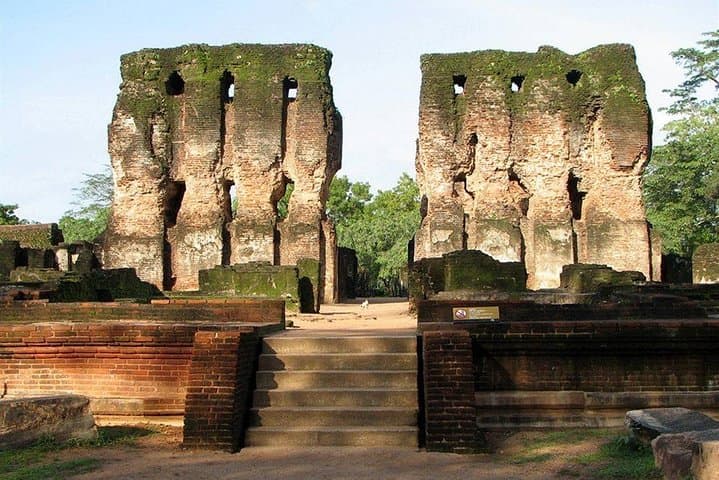
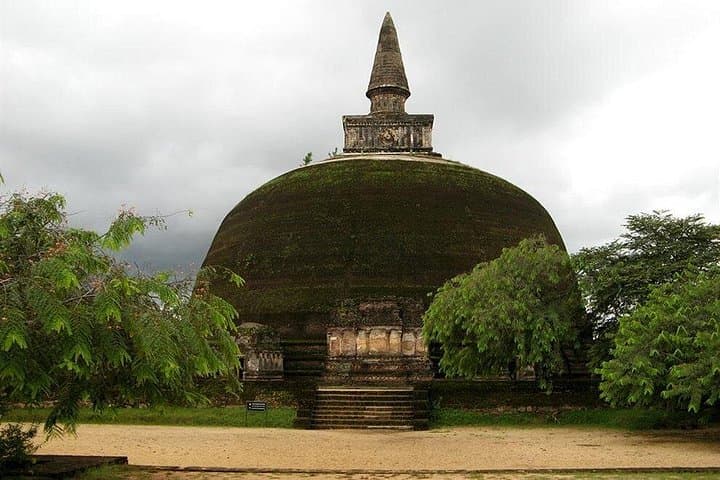
Polonnaruwa was the capital of medieval Sri Lanka under Parakramabahu I, roughly 800 years ago, and the archaeological park preserves citadels, monastic zones and civic ruins that illustrate a once-thriving hydraulic civilization. Hard granite beds were quarried and carved into the Gal Vihara’s Buddha statues; laterite and fired brick formed stupas like Rankot Vihara. Hindu and Buddhist influences sit side by side, and the Archaeological Museum houses surgical instruments and bronzes that speak to the city’s technical and devotional life.
The landscape is practical—flat plains, low trees, irrigation tanks that still feed villages. Monkeys and water birds animate the edges of ruins; heat and dust are constant players. Practical visit advice: allow a minimum of 5 hours to reach the main sites (the tour lists 5–12 hours), bring cash for entry and tips, and plan morning or late-afternoon visits to avoid midday sun.
Expect moderate walking on compacted earth, stone causeways and occasional uneven steps. Wear sturdy shoes, sun protection and carry at least 2 liters of water. A local guide will place the ruins in chronological and cultural context and point out lesser-known carvings, helping translate stone into story while you explore one of Sri Lanka’s most complete ancient cities.
easy.
5–12 hours.
Suitable for travelers in average physical condition; involves several hours of walking on flat to uneven ground.
Driving time is roughly 3–4 hours one way depending on traffic; tours commonly run 5–12 hours total including site time.
Admission is typically not included in the tour price—bring cash for the park ticket and museum entry.
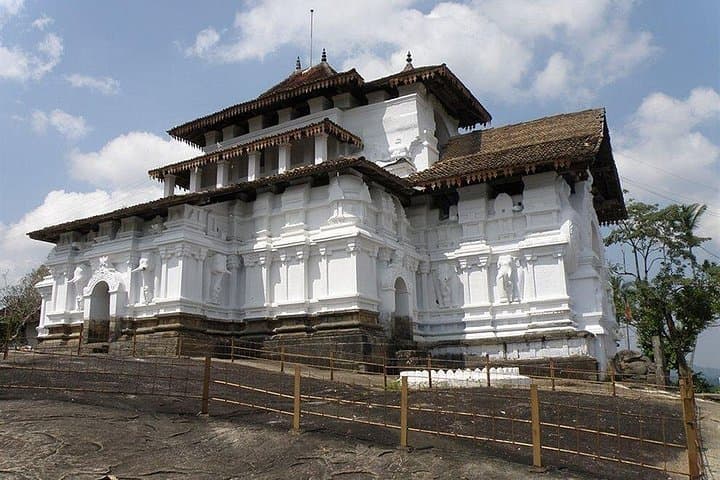
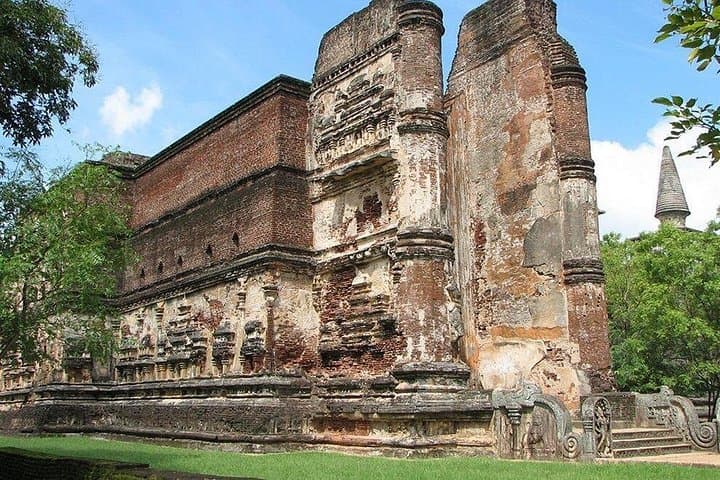
Local guides usually accompany visitors and explain major sites like Gal Vihara, the Quadrangle and Lankatilaka; guide fees may be extra.
Yes—paths are largely flat and the itinerary is labeled easy physically, but consider sun exposure, distance walked and bring shade or rest breaks.
Polonnaruwa rose to prominence in the 11th–13th centuries as Sri Lanka’s second major capital, driven by sophisticated irrigation works and patronage under kings like Parakramabahu I.
The site is managed to balance visitor access with preservation; stick to marked paths, avoid touching carvings and support local conservation by using licensed guides.
Lux Tours Lanka operates guided outdoor trips and adventures with an emphasis on safety, stewardship, and memorable experiences.
You arrive before the heat builds, the road from Kandy unfurling through paddy flats while the dry scrub of the North Central plain leans into view. Stones and stupas begin to punctuate the horizon, and the ancient city of Polonnaruwa presents itself not as a single monument but as a spread of carved rock, brick dagobas and sun-worn courtyards you can walk through.
You arrive before the heat builds, the road from Kandy unfurling through paddy flats while the dry scrub of the North Central plain leans into view. Stones and stupas begin to punctuate the horizon, and the ancient city of Polonnaruwa presents itself not as a single monument but as a spread of carved rock, brick dagobas and sun-worn courtyards you can walk through.
Polonnaruwa was the capital of medieval Sri Lanka under Parakramabahu I, roughly 800 years ago, and the archaeological park preserves citadels, monastic zones and civic ruins that illustrate a once-thriving hydraulic civilization. Hard granite beds were quarried and carved into the Gal Vihara’s Buddha statues; laterite and fired brick formed stupas like Rankot Vihara. Hindu and Buddhist influences sit side by side, and the Archaeological Museum houses surgical instruments and bronzes that speak to the city’s technical and devotional life.
The landscape is practical—flat plains, low trees, irrigation tanks that still feed villages. Monkeys and water birds animate the edges of ruins; heat and dust are constant players. Practical visit advice: allow a minimum of 5 hours to reach the main sites (the tour lists 5–12 hours), bring cash for entry and tips, and plan morning or late-afternoon visits to avoid midday sun.
Expect moderate walking on compacted earth, stone causeways and occasional uneven steps. Wear sturdy shoes, sun protection and carry at least 2 liters of water. A local guide will place the ruins in chronological and cultural context and point out lesser-known carvings, helping translate stone into story while you explore one of Sri Lanka’s most complete ancient cities.