THE ADVENTURE COLLECTIVE® · Independent discovery and booking for outdoor travel

Skip the queue at Polonnaruwa and walk the paths of Sri Lanka’s second ancient capital with a local guide. This two-hour guided ticket unlocks Gal Vihara, Vatadage and the royal precinct with context and time saved.
Skip the queue at Polonnaruwa and walk the paths of Sri Lanka’s second ancient capital with a local guide. This two-hour guided ticket unlocks Gal Vihara, Vatadage and the royal precinct with context and time saved.
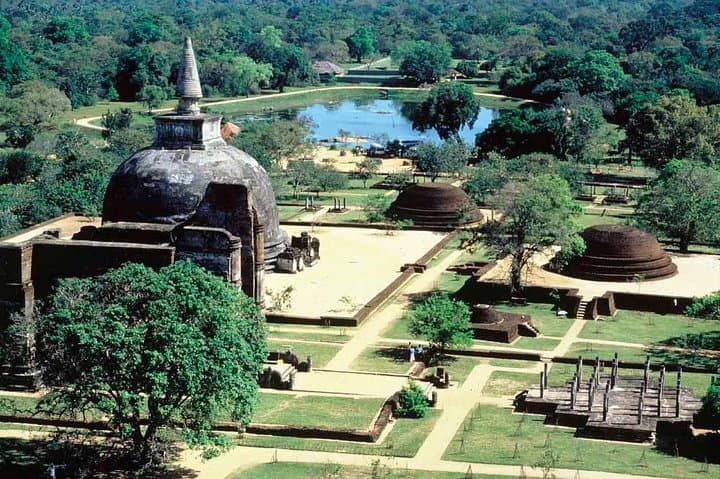
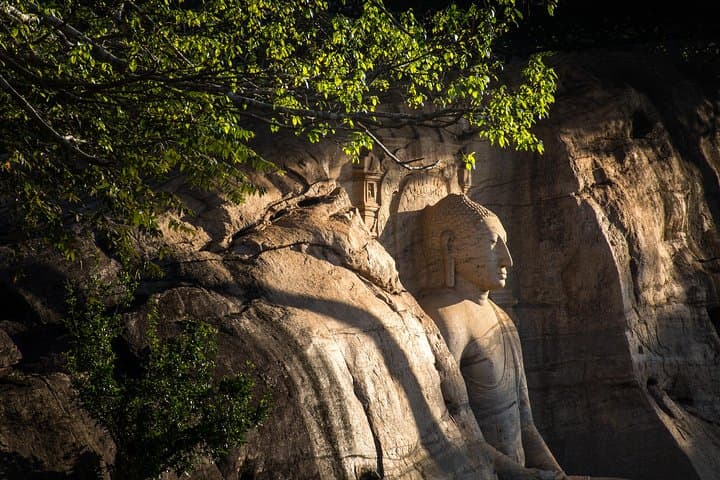
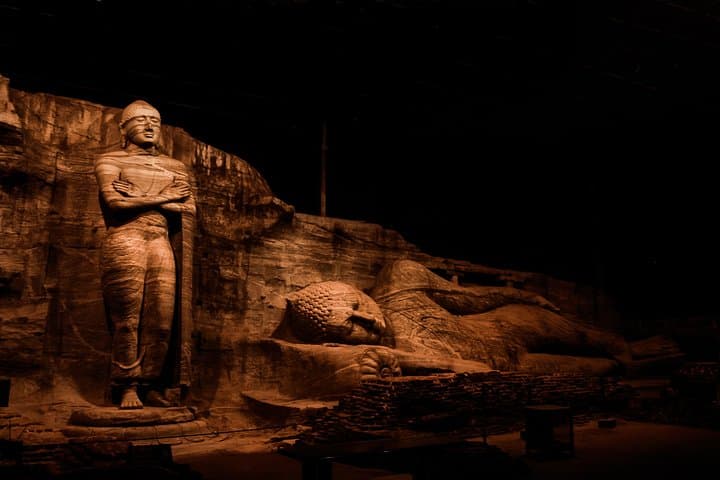
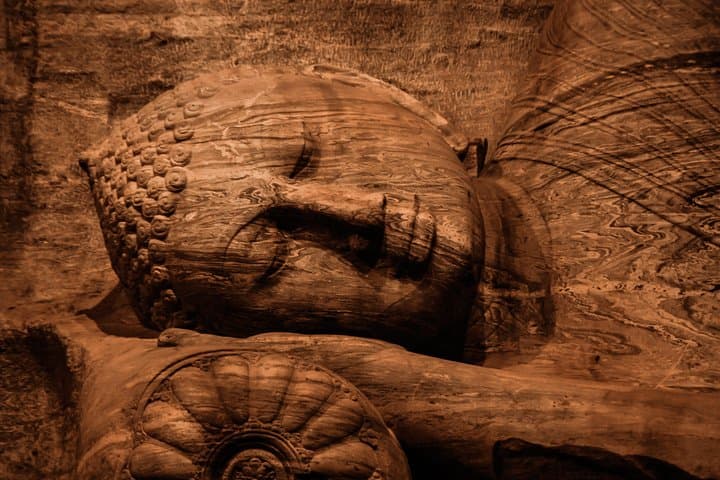
You step through a low gate and the heat of the dry zone meets you first — sun on brick, a thin breeze across the shallow tanks. Ruined walls march out from the tree line, and the carved granite faces of Gal Vihara stare back with a calm that seems to hold centuries.
Verified experiences and guided adventures in the surrounding area.
Operated by Lakpura LLC · Polonnaruwa, North Central Province
You step through a low gate and the heat of the dry zone meets you first — sun on brick, a thin breeze across the shallow tanks. Ruined walls march out from the tree line, and the carved granite faces of Gal Vihara stare back with a calm that seems to hold centuries.
Polonnaruwa was Sri Lanka’s second major capital from the 10th through the 13th century, its stone monuments born of ambitious kings like Parakramabahu and set on an engineered landscape of tanks and causeways. Geologically the site sits on an alluvial plain with scattered hard rock outcrops that ancient builders used for colossal Buddha sculptures and temple platforms. Walkways take you past Vatadage, the lotus bath and the Lankathilaka shrine; each structure is a chapter in a living, Buddhist cultural landscape.
Practicalities are straightforward: this skip-the-line ticket includes a local guide and covers the entrance fee, saving time at peak hours. The standard visit runs about two hours and is mostly flat, though paths are uneven and some ruins require short climbs on stone steps. Plan for sun and dust — carry water, sun protection and modest clothing for religious sites. Exchange your voucher with staff at the meeting point before entry; guides usually pace the route to highlight architecture, inscriptions and irrigation works.
Early morning visits deliver cooler air and better light for photos, while late afternoons bring softer shadows and quieter paths. Respect signage, avoid climbing on sculptures, and allow time to linger at the reservoirs where local birdlife often gathers.
easy.
2 hours.
Suitable for most fitness levels; expect up to two hours of walking on uneven ground with short stone steps.
The standard tour covered by this ticket lasts about two hours, which is enough to see major monuments like Gal Vihara, Vatadage and Lankathilaka with commentary.
Yes — this product includes both the entrance ticket and a local guide; you only need to exchange your voucher at the meeting point on arrival.
Polonnaruwa has largely flat precincts, but many areas have uneven stones and steps; it may be challenging for wheelchairs or those with significant mobility issues.
Early morning is best for cooler temperatures and softer light; late afternoon is quieter and offers good shadows for photography.
Polonnaruwa rose as Sri Lanka’s second capital between the 10th and 13th centuries under rulers such as Parakramabahu; its stone monuments reflect a high point in Sinhala Buddhist architecture and hydraulics.
Visitor pressure and weathering threaten carved stone and inscriptions; follow designated paths, avoid touching sculptures and dispose of waste properly to help protect the site.
Lakpura LLC operates guided outdoor trips and adventures with an emphasis on safety, stewardship, and memorable experiences.
You step through a low gate and the heat of the dry zone meets you first — sun on brick, a thin breeze across the shallow tanks. Ruined walls march out from the tree line, and the carved granite faces of Gal Vihara stare back with a calm that seems to hold centuries.
You step through a low gate and the heat of the dry zone meets you first — sun on brick, a thin breeze across the shallow tanks. Ruined walls march out from the tree line, and the carved granite faces of Gal Vihara stare back with a calm that seems to hold centuries.
Polonnaruwa was Sri Lanka’s second major capital from the 10th through the 13th century, its stone monuments born of ambitious kings like Parakramabahu and set on an engineered landscape of tanks and causeways. Geologically the site sits on an alluvial plain with scattered hard rock outcrops that ancient builders used for colossal Buddha sculptures and temple platforms. Walkways take you past Vatadage, the lotus bath and the Lankathilaka shrine; each structure is a chapter in a living, Buddhist cultural landscape.
Practicalities are straightforward: this skip-the-line ticket includes a local guide and covers the entrance fee, saving time at peak hours. The standard visit runs about two hours and is mostly flat, though paths are uneven and some ruins require short climbs on stone steps. Plan for sun and dust — carry water, sun protection and modest clothing for religious sites. Exchange your voucher with staff at the meeting point before entry; guides usually pace the route to highlight architecture, inscriptions and irrigation works.
Early morning visits deliver cooler air and better light for photos, while late afternoons bring softer shadows and quieter paths. Respect signage, avoid climbing on sculptures, and allow time to linger at the reservoirs where local birdlife often gathers.