THE ADVENTURE COLLECTIVE® · Independent discovery and booking for outdoor travel

Spend a day tracing Polonnaruwa’s stone Buddhas, royal palace remains, and vast irrigation tanks on a guided pilgrimage from Anuradhapura. This full-day private tour combines cultural insight with low-impact walking across ancient city ruins.
Spend a day tracing Polonnaruwa’s stone Buddhas, royal palace remains, and vast irrigation tanks on a guided pilgrimage from Anuradhapura. This full-day private tour combines cultural insight with low-impact walking across ancient city ruins.
The morning opens with a long, low sun over rice paddies as your driver slips south from Anuradhapura toward Polonnaruwa. Stone Buddha faces, carved directly into granite, await like quiet hosts; irrigation tanks mirror the sky and dare you to slow down and look. The route moves through dry-zone plains where cracked laterite and scattered palms mark a landscape shaped as much by water management as by conquest.
Verified experiences and guided adventures in the surrounding area.
Operated by Tuktukdude Leisure · Polonnaruwa, North Central Province
The morning opens with a long, low sun over rice paddies as your driver slips south from Anuradhapura toward Polonnaruwa. Stone Buddha faces, carved directly into granite, await like quiet hosts; irrigation tanks mirror the sky and dare you to slow down and look. The route moves through dry-zone plains where cracked laterite and scattered palms mark a landscape shaped as much by water management as by conquest.
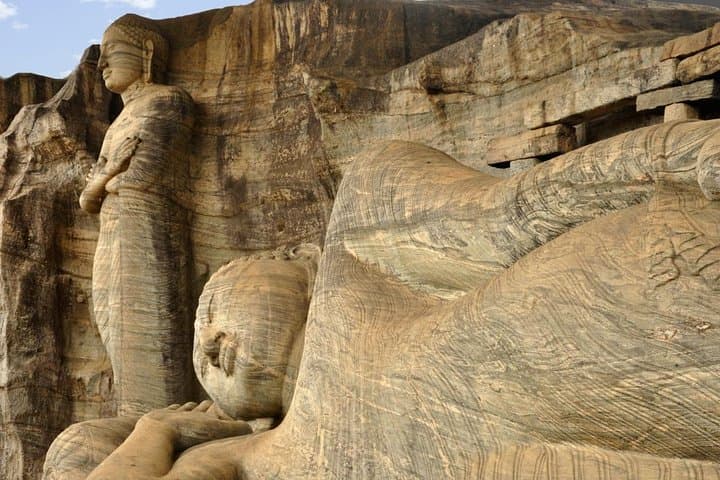
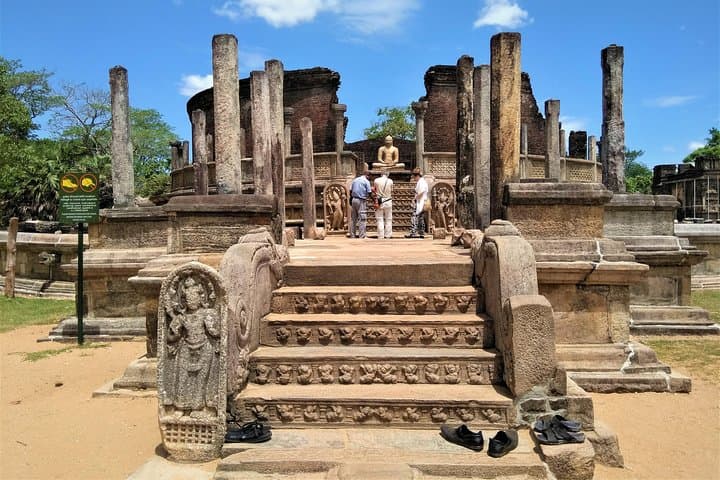
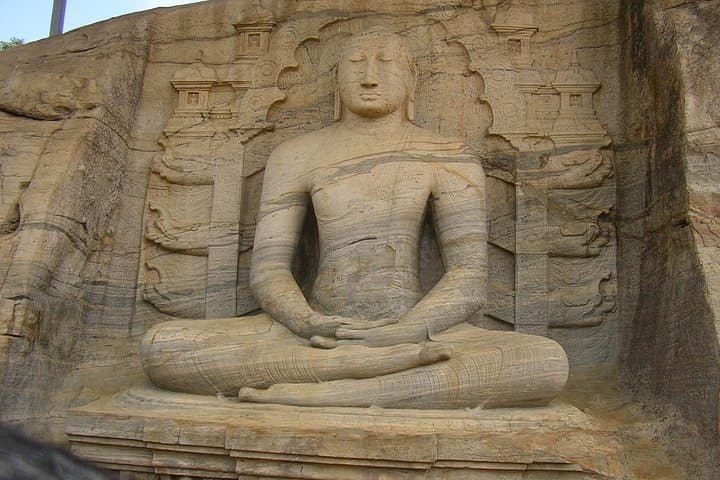
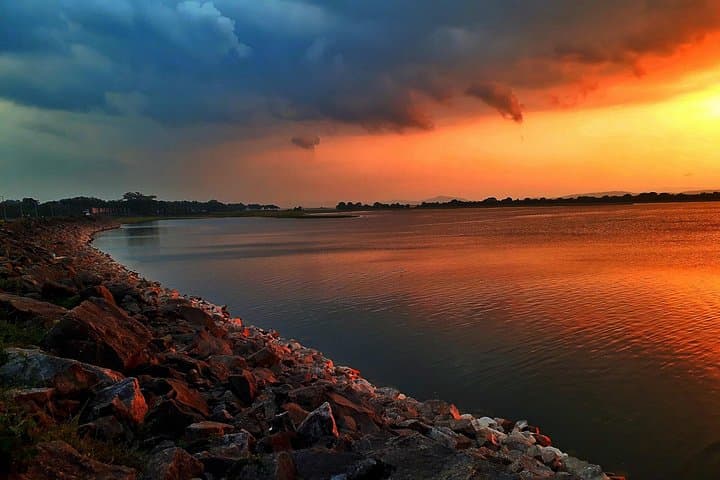
Polonnaruwa was Sri Lanka’s capital in the 11th–13th centuries and a center of hydraulic engineering and Buddhist culture. Gal Vihara’s polished rock Buddhas show local sculptural skill; the Vatadage demonstrates circular shrine design; Parakramabahu’s royal complex and the nearby reservoir, Parakrama Samudra, speak to a civilization that reshaped rivers and fields.
Expect compact walking between sites—some stairs and uneven stone flooring—and pockets of shade beneath ancient brickwork. Guides will point out inscriptions, sculptural details, and how reservoirs fed the region. Local life remains tangible: farmers tending paddy edges, temple bells marking prayer cycles.
Practical notes: the full itinerary runs about 11 hours door-to-door from Anuradhapura, with a mid-day lunch stop (not included). Bring sun protection, a reusable water bottle, and modest clothing for temple entry; plan to remove shoes at certain shrines. Mornings are cooler for photos and quieter exploration; afternoons warm quickly. This is a cultural, low-impact day tour that rewards patience and attention to detail—look close for carving marks and the clever channels that once kept an entire kingdom irrigated.
easy.
11 hours (door-to-door).
Suitable for most fitness levels; requires short walks and standing on uneven ground.
Admission to monuments is typically not included in the tour price; your guide will advise on current ticketing at each site.
Lunch is excluded—there’s a scheduled stop around mid-day where you can buy local food in Polonnaruwa.
Yes; the tour is labeled easy with minimal hiking, though expect uneven ground and some stairs at temple complexes.
Pickup and drop-off from Anuradhapura are included as stated in the itinerary; confirm your pickup point at booking.
Polonnaruwa rose after the Chola invasions and flourished under King Parakramabahu I (12th century), notable for large-scale irrigation works and stone sculpture.
The archaeological sites are managed to balance preservation and access; visitors should avoid touching carvings and stick to marked paths to minimize wear.
Tuktukdude Leisure operates guided outdoor trips and adventures with an emphasis on safety, stewardship, and memorable experiences.
The morning opens with a long, low sun over rice paddies as your driver slips south from Anuradhapura toward Polonnaruwa. Stone Buddha faces, carved directly into granite, await like quiet hosts; irrigation tanks mirror the sky and dare you to slow down and look. The route moves through dry-zone plains where cracked laterite and scattered palms mark a landscape shaped as much by water management as by conquest.
The morning opens with a long, low sun over rice paddies as your driver slips south from Anuradhapura toward Polonnaruwa. Stone Buddha faces, carved directly into granite, await like quiet hosts; irrigation tanks mirror the sky and dare you to slow down and look. The route moves through dry-zone plains where cracked laterite and scattered palms mark a landscape shaped as much by water management as by conquest.
Polonnaruwa was Sri Lanka’s capital in the 11th–13th centuries and a center of hydraulic engineering and Buddhist culture. Gal Vihara’s polished rock Buddhas show local sculptural skill; the Vatadage demonstrates circular shrine design; Parakramabahu’s royal complex and the nearby reservoir, Parakrama Samudra, speak to a civilization that reshaped rivers and fields.
Expect compact walking between sites—some stairs and uneven stone flooring—and pockets of shade beneath ancient brickwork. Guides will point out inscriptions, sculptural details, and how reservoirs fed the region. Local life remains tangible: farmers tending paddy edges, temple bells marking prayer cycles.
Practical notes: the full itinerary runs about 11 hours door-to-door from Anuradhapura, with a mid-day lunch stop (not included). Bring sun protection, a reusable water bottle, and modest clothing for temple entry; plan to remove shoes at certain shrines. Mornings are cooler for photos and quieter exploration; afternoons warm quickly. This is a cultural, low-impact day tour that rewards patience and attention to detail—look close for carving marks and the clever channels that once kept an entire kingdom irrigated.