THE ADVENTURE COLLECTIVE® · Independent discovery and booking for outdoor travel

Explore Polonnaruwa’s 12th-century stone monuments then switch gears for a jeep safari in Minneriya where Asian elephants assemble along the reservoir. This full-day combines archaeology, engineered landscapes, and wildlife viewing in a single, accessible loop from Dambulla.
Explore Polonnaruwa’s 12th-century stone monuments then switch gears for a jeep safari in Minneriya where Asian elephants assemble along the reservoir. This full-day combines archaeology, engineered landscapes, and wildlife viewing in a single, accessible loop from Dambulla.
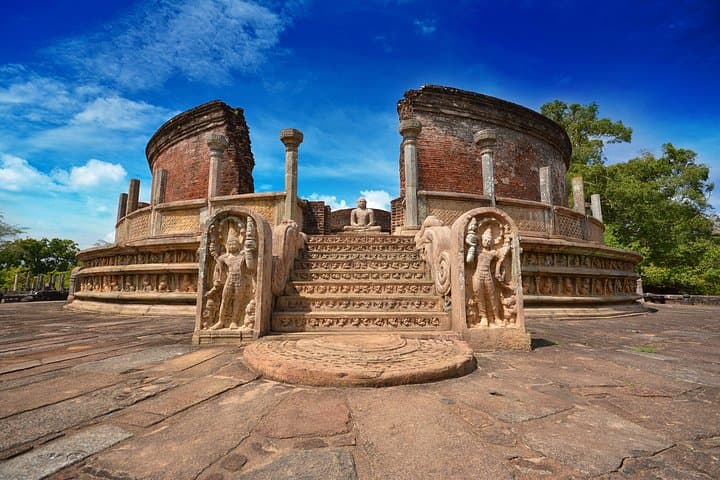
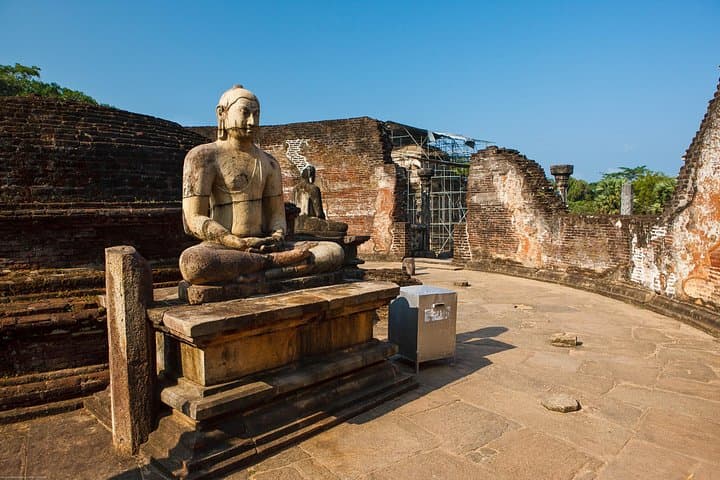
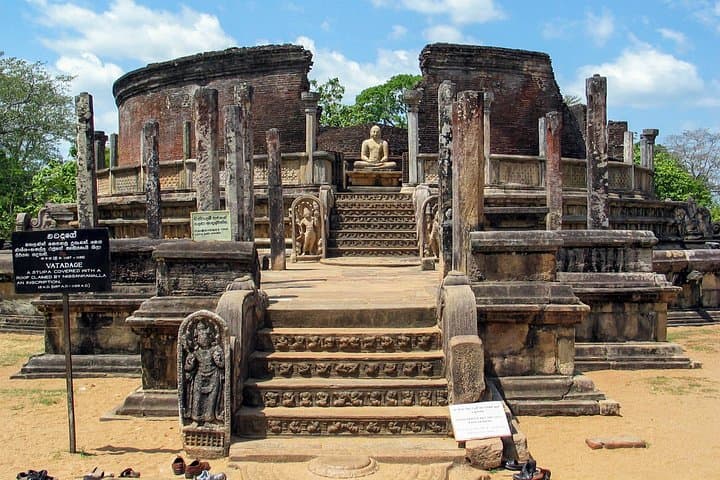
Morning light breaks over cracked stone and scrub as the tour vehicle eases onto the red-dust road toward Polonnaruwa. Visitors step from air-conditioned comfort into a landscape where carved guard stones and Buddha images loom like witnesses to a Medieval capital. The city’s open ruins spread across low plains, and later the jeep rumbles into Minneriya’s grasslands where elephants gather at the reservoir’s edge.
Verified experiences and guided adventures in the surrounding area.
Operated by Lakpura LLC · Polonnaruwa, North Central Province
Morning light breaks over cracked stone and scrub as the tour vehicle eases onto the red-dust road toward Polonnaruwa. Visitors step from air-conditioned comfort into a landscape where carved guard stones and Buddha images loom like witnesses to a Medieval capital. The city’s open ruins spread across low plains, and later the jeep rumbles into Minneriya’s grasslands where elephants gather at the reservoir’s edge.
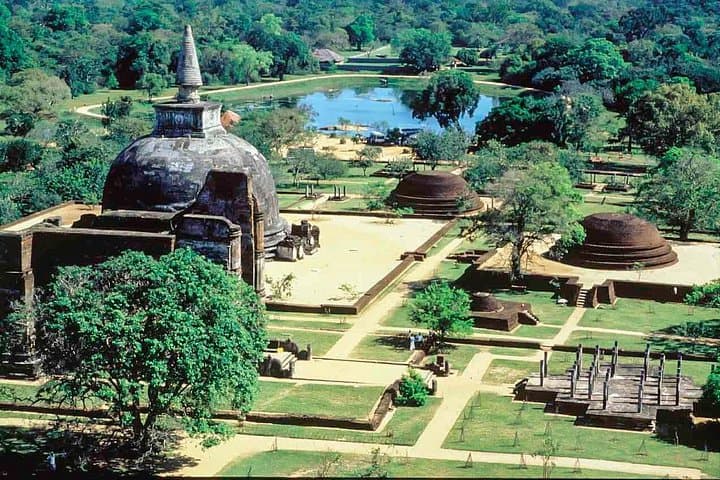
Polonnaruwa was Sri Lanka’s administrative heart in the 11th–13th centuries under rulers such as Parakramabahu the Great; its monuments—Vatadage, Lankatilaka, Gal Vihara—showcase advanced stone masonry and irrigation engineering. Geologically the region sits on Precambrian bedrock smoothed by ancient fluvial deposits; the craggy granite of Gal Vihara makes the carved Buddhas feel carved from the island itself. Locally, villages still farm rice paddies fed by same-age canals that once supported the kingdom’s power.
Expect a paced day: guided walks among temple platforms, short explanatory stops at statue groups and lotus ponds, then a half-day jeep safari in Minneriya National Park. The safari focuses on dry-season concentrations of Asian elephants, but also presents waterbirds and sambar deer across open grass and scrub.
Practical guidance: wear breathable walking shoes for uneven stone and mild slopes, carry sun protection and a refillable water bottle (one liter provided but top-up recommended), and plan for long sun exposure—mornings are cooler for archaeology, late afternoon often better for wildlife. Respect site rules, keep distance from animals during the safari, and follow your guide’s directions to maximize both safety and sightings.
moderate.
10 hours.
Moderate fitness for uneven temple grounds and several short walks; comfortable sitting for vehicle transfers.
The full-day itinerary runs about 10 hours from hotel pickup in Dambulla and returns the same day.
Check your booking—transport, guide service, and a one-jeep safari are included, but some historical site entrance fees may be payable locally.
Minneriya is known for Asian elephants; visitors also commonly spot waterbirds, sambar deer, and water buffalo depending on season.
Yes—this is family-friendly, but travelers should be able to handle some walking on uneven terrain and sit for vehicle transfers; not recommended for those with serious back, heart, or pregnancy restrictions per provider guidance.
Polonnaruwa was Sri Lanka’s medieval capital (11th–13th centuries), famed for large-scale irrigation and Buddhist monuments commissioned by kings like Parakramabahu.
Minneriya’s seasonal elephant gatherings are fragile—stay in vehicles, avoid feeding or disturbing animals, and support local guides who promote responsible viewing.
Lakpura LLC operates guided outdoor trips and adventures with an emphasis on safety, stewardship, and memorable experiences.
Morning light breaks over cracked stone and scrub as the tour vehicle eases onto the red-dust road toward Polonnaruwa. Visitors step from air-conditioned comfort into a landscape where carved guard stones and Buddha images loom like witnesses to a Medieval capital. The city’s open ruins spread across low plains, and later the jeep rumbles into Minneriya’s grasslands where elephants gather at the reservoir’s edge.
Morning light breaks over cracked stone and scrub as the tour vehicle eases onto the red-dust road toward Polonnaruwa. Visitors step from air-conditioned comfort into a landscape where carved guard stones and Buddha images loom like witnesses to a Medieval capital. The city’s open ruins spread across low plains, and later the jeep rumbles into Minneriya’s grasslands where elephants gather at the reservoir’s edge.
Polonnaruwa was Sri Lanka’s administrative heart in the 11th–13th centuries under rulers such as Parakramabahu the Great; its monuments—Vatadage, Lankatilaka, Gal Vihara—showcase advanced stone masonry and irrigation engineering. Geologically the region sits on Precambrian bedrock smoothed by ancient fluvial deposits; the craggy granite of Gal Vihara makes the carved Buddhas feel carved from the island itself. Locally, villages still farm rice paddies fed by same-age canals that once supported the kingdom’s power.
Expect a paced day: guided walks among temple platforms, short explanatory stops at statue groups and lotus ponds, then a half-day jeep safari in Minneriya National Park. The safari focuses on dry-season concentrations of Asian elephants, but also presents waterbirds and sambar deer across open grass and scrub.
Practical guidance: wear breathable walking shoes for uneven stone and mild slopes, carry sun protection and a refillable water bottle (one liter provided but top-up recommended), and plan for long sun exposure—mornings are cooler for archaeology, late afternoon often better for wildlife. Respect site rules, keep distance from animals during the safari, and follow your guide’s directions to maximize both safety and sightings.