THE ADVENTURE COLLECTIVE® · Independent discovery and booking for outdoor travel

Explore Polonnaruwa’s 12th‑century ruins then swap stone for savanna on a jeep safari to Hurulu/Minneriya. This all‑inclusive day trip from Kandy pairs archaeological highlights with chances to see large elephant gatherings—pack sun protection and a good zoom lens.
Explore Polonnaruwa’s 12th‑century ruins then swap stone for savanna on a jeep safari to Hurulu/Minneriya. This all‑inclusive day trip from Kandy pairs archaeological highlights with chances to see large elephant gatherings—pack sun protection and a good zoom lens.
You step out of the air‑conditioned vehicle onto sun‑warmed stone, and the quiet of the ancient city feels deliberate—columns and carved Buddhas hold the heat like memory. Dust lifts from the path as your guide sketches the lay of the ruins: Vatadage’s concentric stones, the smooth reclining faces at Gal Vihara, and the broad curve of Parakrama Samudraya where water once buffered a kingdom.
Verified experiences and guided adventures in the surrounding area.
Operated by Ceylon Traveline · Polonnaruwa, North Central Province
You step out of the air‑conditioned vehicle onto sun‑warmed stone, and the quiet of the ancient city feels deliberate—columns and carved Buddhas hold the heat like memory. Dust lifts from the path as your guide sketches the lay of the ruins: Vatadage’s concentric stones, the smooth reclining faces at Gal Vihara, and the broad curve of Parakrama Samudraya where water once buffered a kingdom.
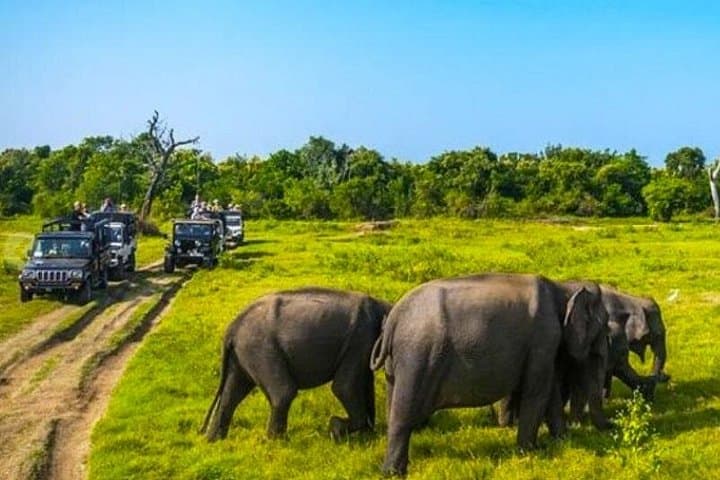
Polonnaruwa was Sri Lanka’s capital in the 11th–13th centuries under kings like Parakramabahu I; the masonry and irrigation engineering still read as practical declarations of statecraft. By afternoon the trip pivots from archaeology to wilderness—jeeps drive out toward Hurulu and Minneriya, where elephants congregate and grasslands push visitors to keep an eye on the horizon. The parks host seasonal gatherings of Asian elephants and a variety of waterbirds; the animals move with deliberate appetite, and sightings are common though never guaranteed.
Practical guidance: this is a long, full‑day tour (about 10–15 hours) with hotel pickup in Kandy, entry fees and a 4x4 jeep included. Expect short walks over uneven, sometimes sandy ground and bumpy jeep tracks on safari. Bring sun protection, plenty of water, sturdy walking shoes, a camera with zoom, and insect repellent. Morning is best for cooler light and quieter ruins; late afternoon improves chances for active elephant herds.
Respect park rules: stay in the jeep on safari, keep distance for wildlife, and support local conservation by avoiding single‑use plastics where possible. The day pairs engineered history with living wilderness—both ask for curiosity and quiet observation.
easy.
10–15 hours.
Suitable for most fitness levels; includes periods of sitting in a vehicle with short walks on uneven ground and bumpy safari tracks.
The tour runs about 10–15 hours with hotel pickup from Kandy; exact pickup time is provided at booking and is typically early morning to maximize sightseeing and wildlife viewing.
Yes—entry tickets to Polonnaruwa and Hurulu/Minneriya, an air‑conditioned vehicle for transfers, and a 4x4 jeep for safari are included in the package.
Elephant sightings are common—especially in the dry season—but wildlife is never guaranteed; sightings depend on season, water availability, and animal movements.
The tour is family‑friendly and listed as suitable for all fitness levels; however, archaeological sites have uneven surfaces and the safari involves bumpy rides—wheelchair access and infant seats are available but check specifics with the operator.
Polonnaruwa was Sri Lanka’s capital in the 11th–13th centuries under rulers such as Parakramabahu I; its temples, tanks and palaces illustrate advanced medieval irrigation and state planning.
Parks rely on responsible viewing: remain in vehicles on safari, avoid feeding wildlife, and follow local guidelines to limit disturbance and protect critical habitats.
Ceylon Traveline operates guided outdoor trips and adventures with an emphasis on safety, stewardship, and memorable experiences.
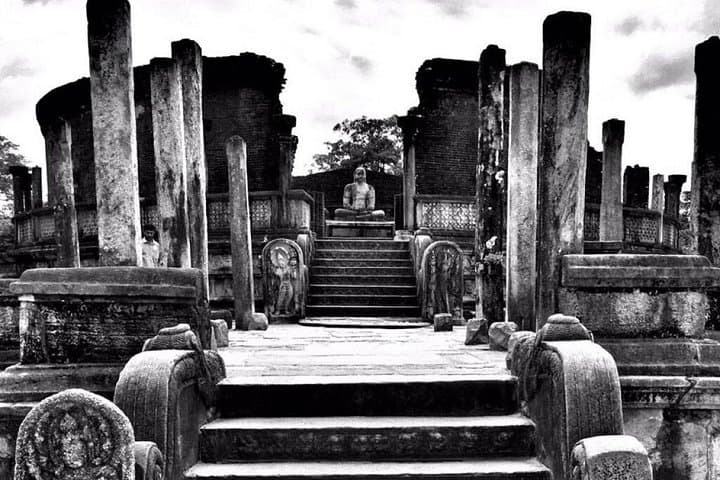
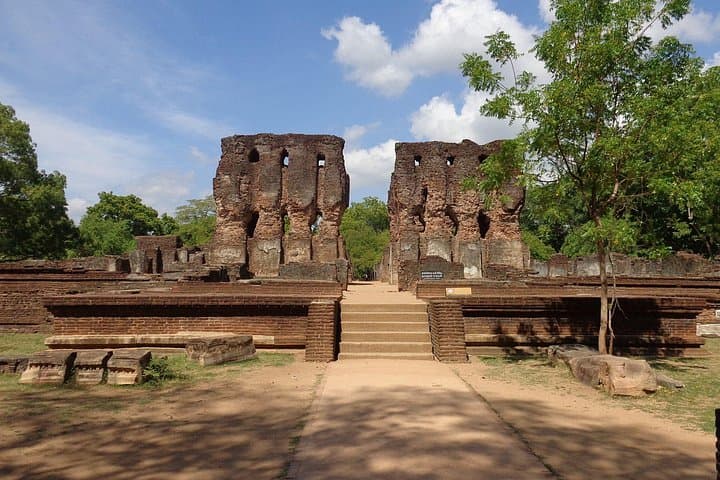
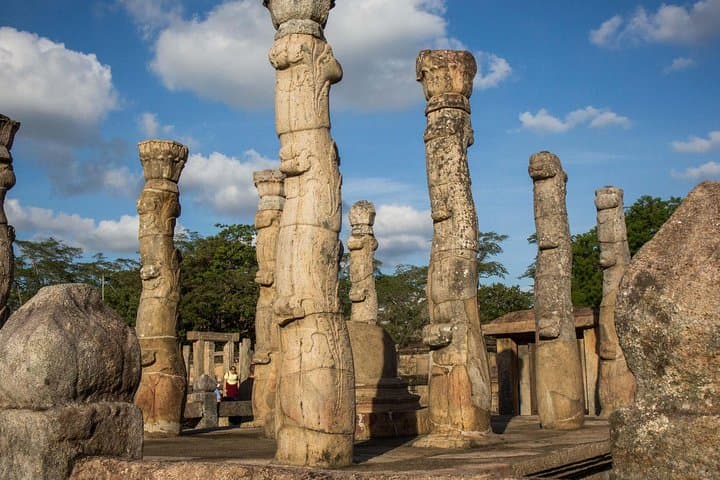
You step out of the air‑conditioned vehicle onto sun‑warmed stone, and the quiet of the ancient city feels deliberate—columns and carved Buddhas hold the heat like memory. Dust lifts from the path as your guide sketches the lay of the ruins: Vatadage’s concentric stones, the smooth reclining faces at Gal Vihara, and the broad curve of Parakrama Samudraya where water once buffered a kingdom.
You step out of the air‑conditioned vehicle onto sun‑warmed stone, and the quiet of the ancient city feels deliberate—columns and carved Buddhas hold the heat like memory. Dust lifts from the path as your guide sketches the lay of the ruins: Vatadage’s concentric stones, the smooth reclining faces at Gal Vihara, and the broad curve of Parakrama Samudraya where water once buffered a kingdom.
Polonnaruwa was Sri Lanka’s capital in the 11th–13th centuries under kings like Parakramabahu I; the masonry and irrigation engineering still read as practical declarations of statecraft. By afternoon the trip pivots from archaeology to wilderness—jeeps drive out toward Hurulu and Minneriya, where elephants congregate and grasslands push visitors to keep an eye on the horizon. The parks host seasonal gatherings of Asian elephants and a variety of waterbirds; the animals move with deliberate appetite, and sightings are common though never guaranteed.
Practical guidance: this is a long, full‑day tour (about 10–15 hours) with hotel pickup in Kandy, entry fees and a 4x4 jeep included. Expect short walks over uneven, sometimes sandy ground and bumpy jeep tracks on safari. Bring sun protection, plenty of water, sturdy walking shoes, a camera with zoom, and insect repellent. Morning is best for cooler light and quieter ruins; late afternoon improves chances for active elephant herds.
Respect park rules: stay in the jeep on safari, keep distance for wildlife, and support local conservation by avoiding single‑use plastics where possible. The day pairs engineered history with living wilderness—both ask for curiosity and quiet observation.