THE ADVENTURE COLLECTIVE® · Independent discovery and booking for outdoor travel

Walk among 11th–13th century brick stupas, rock-carved Buddhas and an 850-year-old reservoir with a licensed guide. This full-day tour combines big-name monuments and quieter corners for a complete view of Polonnaruwa.
Walk among 11th–13th century brick stupas, rock-carved Buddhas and an 850-year-old reservoir with a licensed guide. This full-day tour combines big-name monuments and quieter corners for a complete view of Polonnaruwa.
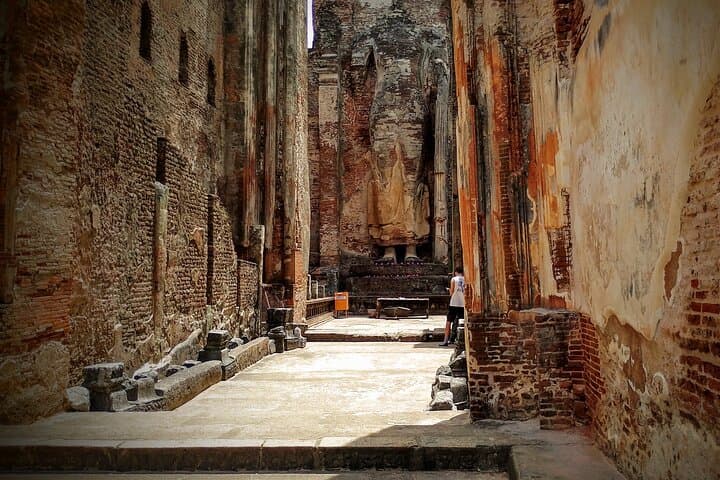
You arrive at sunrise and the low light throws long shadows across carved stone Buddhas and crumbling brick stupas. A licensed guide leads the way, voice low against the hiss of insects and the chatter of monkeys that treat the ruins like a neighborhood. The air smells of sun-warmed masonry and pond algae; the Parakrama Samudra reservoir meets the ruins with a flat, reflective edge that dares you to pause.
Verified experiences and guided adventures in the surrounding area.
Operated by Artistic Sojourns with Don Nuwan -Polonnaruwa Guide Services · Polonnaruwa, North Central Province
You arrive at sunrise and the low light throws long shadows across carved stone Buddhas and crumbling brick stupas. A licensed guide leads the way, voice low against the hiss of insects and the chatter of monkeys that treat the ruins like a neighborhood. The air smells of sun-warmed masonry and pond algae; the Parakrama Samudra reservoir meets the ruins with a flat, reflective edge that dares you to pause.
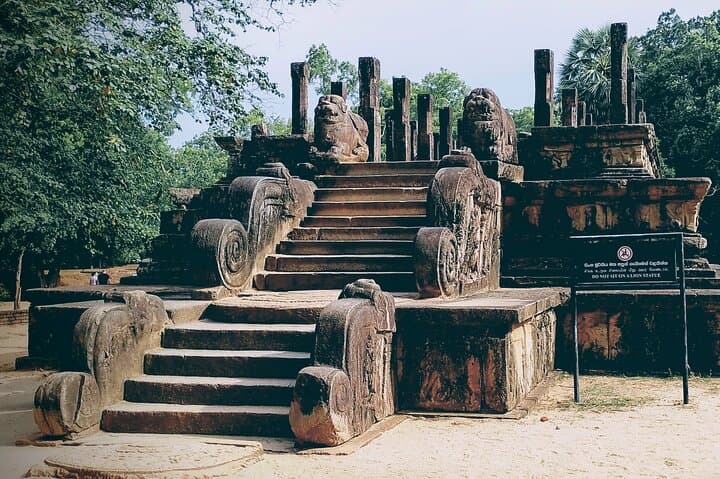
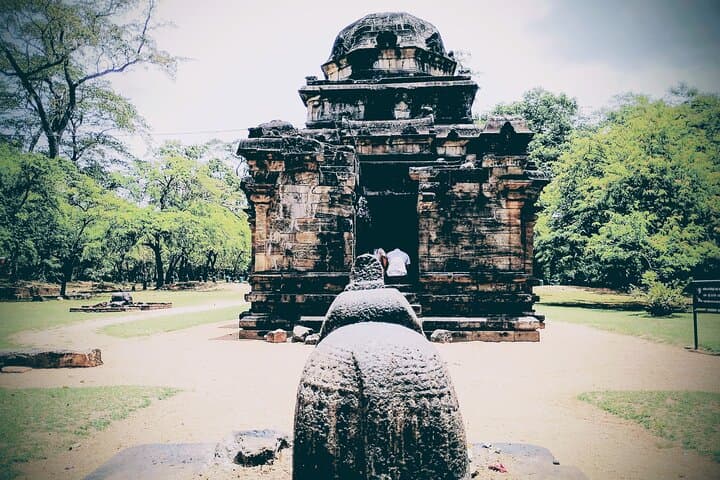
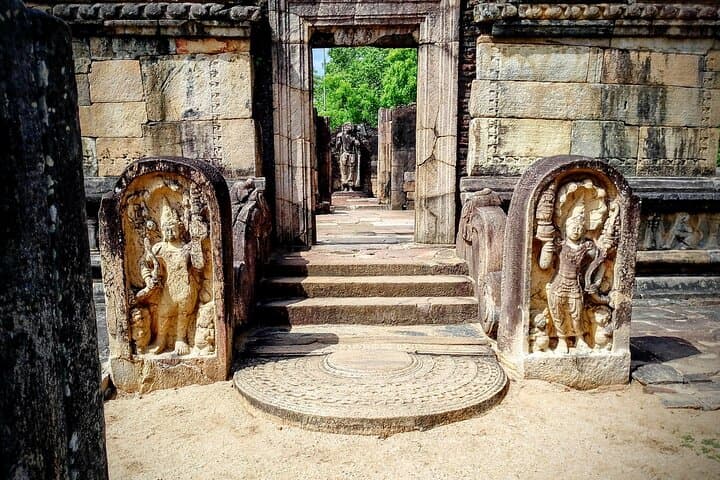
Polonnaruwa was Sri Lanka’s medieval capital from the 11th to 13th centuries. The site’s brick stupas, rock-cut Buddha figures and finely carved moonstones reflect sophisticated urban planning and hydraulic engineering—the 850-year-old reservoir is an engineering landmark. The mix of Buddhist monasteries and stone Hindu shrines shows the island’s layered cultural history.
Expect mostly flat walking on packed earth and stone platforms, with uneven steps at several temples and some shady groves around royal ponds. A guided 4–7 hour visit covers the Sacred Quadrangle, Gal Vihara’s rock temple, the Royal Palace precinct and quieter corners like the Island Park and library monastery; entrance fee and a professional guide are included. Monkeys are common—observe but don’t feed them.
Practical edge: start early to avoid mid-day heat, bring 2 liters of water, sun protection and comfortable walking shoes with good traction. Respect ropes and signs around fragile frescoes and carvings; photography is allowed in most places but be mindful of religious practice. With a knowledgeable guide, the city unfolds as architecture, ritual and landscape working together—an accessible day of history and outdoor exploration.
easy.
4–7 hours.
Suitable for most fitness levels—requires walking on uneven ground for several hours.
Yes; the tour price includes the entry fee to the ancient city as stated in the inclusions.
The guided visit runs about 4–7 hours and involves moderate walking over mostly flat but uneven stone and earthen surfaces.
The tour is family-friendly, but several sites have steps and uneven ground—strollers are not recommended.
Photography is allowed at most outdoor monuments; follow guide instructions and respect signs where photography is restricted for conservation or religious reasons.
Polonnaruwa served as Sri Lanka’s capital from the 11th–13th centuries and is a UNESCO World Heritage Site noted for its urban planning and hydraulic systems.
Visitors should stay on marked paths, avoid touching frescoes and stone carvings, and never feed wildlife to help protect fragile archaeology and local fauna.
Artistic Sojourns with Don Nuwan -Polonnaruwa Guide Services operates guided outdoor trips and adventures with an emphasis on safety, stewardship, and memorable experiences.
You arrive at sunrise and the low light throws long shadows across carved stone Buddhas and crumbling brick stupas. A licensed guide leads the way, voice low against the hiss of insects and the chatter of monkeys that treat the ruins like a neighborhood. The air smells of sun-warmed masonry and pond algae; the Parakrama Samudra reservoir meets the ruins with a flat, reflective edge that dares you to pause.
You arrive at sunrise and the low light throws long shadows across carved stone Buddhas and crumbling brick stupas. A licensed guide leads the way, voice low against the hiss of insects and the chatter of monkeys that treat the ruins like a neighborhood. The air smells of sun-warmed masonry and pond algae; the Parakrama Samudra reservoir meets the ruins with a flat, reflective edge that dares you to pause.
Polonnaruwa was Sri Lanka’s medieval capital from the 11th to 13th centuries. The site’s brick stupas, rock-cut Buddha figures and finely carved moonstones reflect sophisticated urban planning and hydraulic engineering—the 850-year-old reservoir is an engineering landmark. The mix of Buddhist monasteries and stone Hindu shrines shows the island’s layered cultural history.
Expect mostly flat walking on packed earth and stone platforms, with uneven steps at several temples and some shady groves around royal ponds. A guided 4–7 hour visit covers the Sacred Quadrangle, Gal Vihara’s rock temple, the Royal Palace precinct and quieter corners like the Island Park and library monastery; entrance fee and a professional guide are included. Monkeys are common—observe but don’t feed them.
Practical edge: start early to avoid mid-day heat, bring 2 liters of water, sun protection and comfortable walking shoes with good traction. Respect ropes and signs around fragile frescoes and carvings; photography is allowed in most places but be mindful of religious practice. With a knowledgeable guide, the city unfolds as architecture, ritual and landscape working together—an accessible day of history and outdoor exploration.