THE ADVENTURE COLLECTIVE® · Independent discovery and booking for outdoor travel

Walk the stone avenues of Sri Lanka’s second capital on a 6–8 hour day tour from Sigiriya. See Gal Vihara’s carved Buddhas, Rankoth Vehera, Lotus Pond and craft centers while learning how medieval engineering shaped the landscape.
Walk the stone avenues of Sri Lanka’s second capital on a 6–8 hour day tour from Sigiriya. See Gal Vihara’s carved Buddhas, Rankoth Vehera, Lotus Pond and craft centers while learning how medieval engineering shaped the landscape.
You step from an air‑conditioned vehicle into a wide, sunlit plain where stone steps and low brick walls map out an ancient capital. Palm trees lean against a blue sky while the distant curve of Parakrama Samudraya glints; the city’s carved Buddhas and lotus pond sit like measured breaths in the landscape, patient and exact.
Verified experiences and guided adventures in the surrounding area.
Operated by Classical Lanka Tours · Polonnaruwa, North Central Province
You step from an air‑conditioned vehicle into a wide, sunlit plain where stone steps and low brick walls map out an ancient capital. Palm trees lean against a blue sky while the distant curve of Parakrama Samudraya glints; the city’s carved Buddhas and lotus pond sit like measured breaths in the landscape, patient and exact.
Polonnaruwa rose to prominence in the 11th–12th centuries under rulers such as Parakramabahu I and Nissanka Malla. The site’s masonry—large dressed stone, sandakada pahana moonstones, and intricately carved image houses—reflects a society skilled in hydraulics and stonework; the nearby reservoirs once fed paddy fields across the region. Cultural layers are visible: Theravada Buddhist temples, royal palace foundations, and craft centers that still inspire today’s woodworkers and gem dealers.
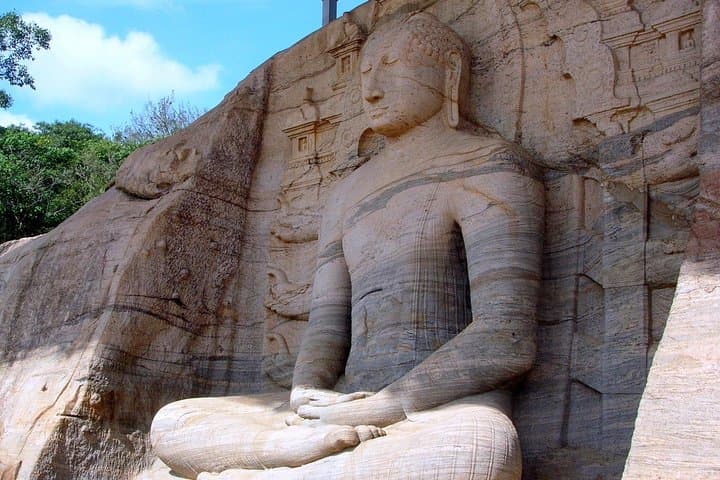
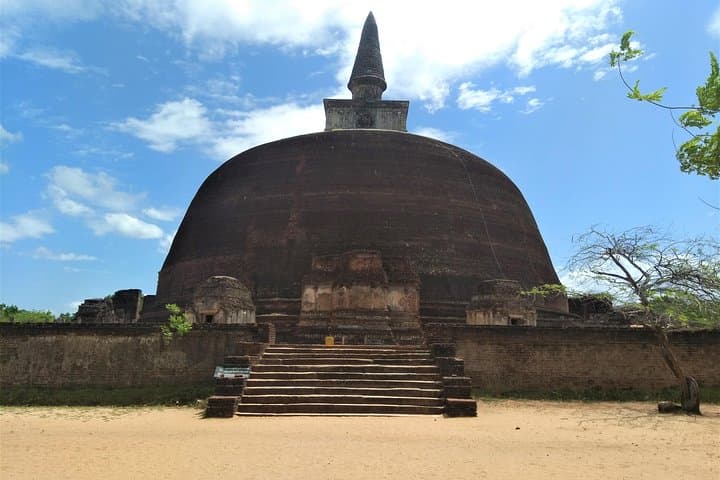
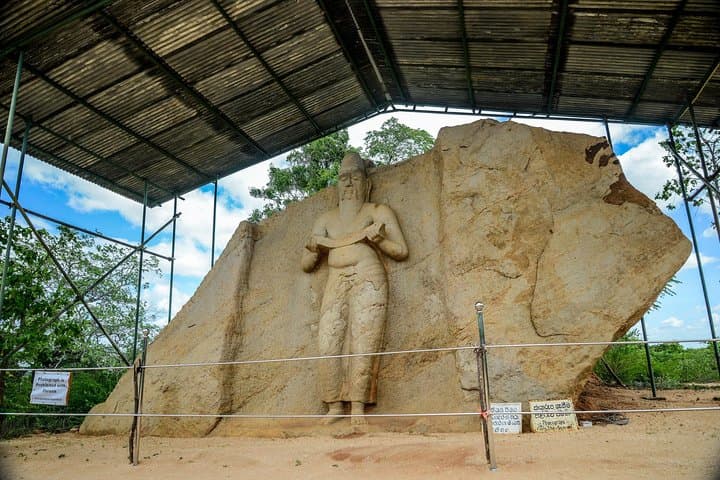
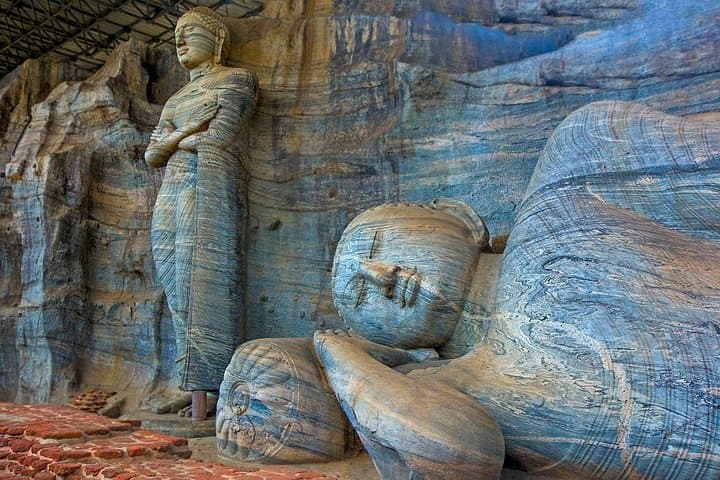
On a typical day tour from Sigiriya (6–8 hours) you’ll visit Gal Vihara’s three main Buddha statues, Rankoth Vehera stupa, Lankathilaka and Thivanka image houses, and the Lotus Pond, with short stops at local craft centers and a spice garden. Expect uneven stone surfaces, short stair sections inside shrines, open sun, and pockets of shade beneath banyans.
Practical tips: wear sturdy, closed shoes for walking, bring sun protection, carry modest clothing for temple visits, and keep small cash for souvenirs. The tour’s inclusions often cover admission and bottled water, and private transport makes the day efficient; plan for quiet observation at religious sites and leave extra time for photography and slower exploration of the less‑visited ruins.
easy.
6–8 hours.
Suitable for travelers comfortable with several hours of walking on flat to gently uneven ground; minimal elevation change.
The tour typically lasts 6–8 hours round trip, including travel time and guided visits to major monuments.
Most all‑inclusive tours include entry to key sites like Gal Vihara, Rankoth Vehera, and select museums—confirm with your operator for specifics.
Some areas and walkways are uneven; main road access and vehicle drop‑offs are possible but full accessibility is limited—check with the operator about precise arrangements.
Yes—stops at gem and woodcarving centers are common; haggle politely and inspect items carefully if purchasing.
Polonnaruwa was Sri Lanka’s capital during the 11th–13th centuries and showcases the island’s medieval advancements in irrigation and Buddhist architecture under kings such as Parakramabahu I.
The site is protected as a UNESCO World Heritage Site; visitors are asked to stay on designated paths, avoid littering, and refrain from touching ancient carvings to minimize erosion.
Classical Lanka Tours operates guided outdoor trips and adventures with an emphasis on safety, stewardship, and memorable experiences.
You step from an air‑conditioned vehicle into a wide, sunlit plain where stone steps and low brick walls map out an ancient capital. Palm trees lean against a blue sky while the distant curve of Parakrama Samudraya glints; the city’s carved Buddhas and lotus pond sit like measured breaths in the landscape, patient and exact.
You step from an air‑conditioned vehicle into a wide, sunlit plain where stone steps and low brick walls map out an ancient capital. Palm trees lean against a blue sky while the distant curve of Parakrama Samudraya glints; the city’s carved Buddhas and lotus pond sit like measured breaths in the landscape, patient and exact.
Polonnaruwa rose to prominence in the 11th–12th centuries under rulers such as Parakramabahu I and Nissanka Malla. The site’s masonry—large dressed stone, sandakada pahana moonstones, and intricately carved image houses—reflects a society skilled in hydraulics and stonework; the nearby reservoirs once fed paddy fields across the region. Cultural layers are visible: Theravada Buddhist temples, royal palace foundations, and craft centers that still inspire today’s woodworkers and gem dealers.
On a typical day tour from Sigiriya (6–8 hours) you’ll visit Gal Vihara’s three main Buddha statues, Rankoth Vehera stupa, Lankathilaka and Thivanka image houses, and the Lotus Pond, with short stops at local craft centers and a spice garden. Expect uneven stone surfaces, short stair sections inside shrines, open sun, and pockets of shade beneath banyans.
Practical tips: wear sturdy, closed shoes for walking, bring sun protection, carry modest clothing for temple visits, and keep small cash for souvenirs. The tour’s inclusions often cover admission and bottled water, and private transport makes the day efficient; plan for quiet observation at religious sites and leave extra time for photography and slower exploration of the less‑visited ruins.