THE ADVENTURE COLLECTIVE® · Independent discovery and booking for outdoor travel

Spend a half-day exploring Pollensa’s lively market, climb the famous 365 Calvary steps, then relax in the tranquil Lluc Monastery valley at 400m altitude. This guided tour pairs local history and coastal culture with the rugged limestone scenery of the Tramuntana.
Spend a half-day exploring Pollensa’s lively market, climb the famous 365 Calvary steps, then relax in the tranquil Lluc Monastery valley at 400m altitude. This guided tour pairs local history and coastal culture with the rugged limestone scenery of the Tramuntana.
You step off the bus into the wide, sunlit square of Pollensa and the market’s chatter grabs you—vendors calling, olives gleaming, and baskets of fresh produce lined like small altars. The guide steers you through narrow stone streets where shutters still carry hand-painted house numbers and the scent of frying ensaimadas drifts from a bakery.
Verified experiences and guided adventures in the surrounding area.
Operated by Nofrills Excursions · Pollença, Balearic Islands
You step off the bus into the wide, sunlit square of Pollensa and the market’s chatter grabs you—vendors calling, olives gleaming, and baskets of fresh produce lined like small altars. The guide steers you through narrow stone streets where shutters still carry hand-painted house numbers and the scent of frying ensaimadas drifts from a bakery.
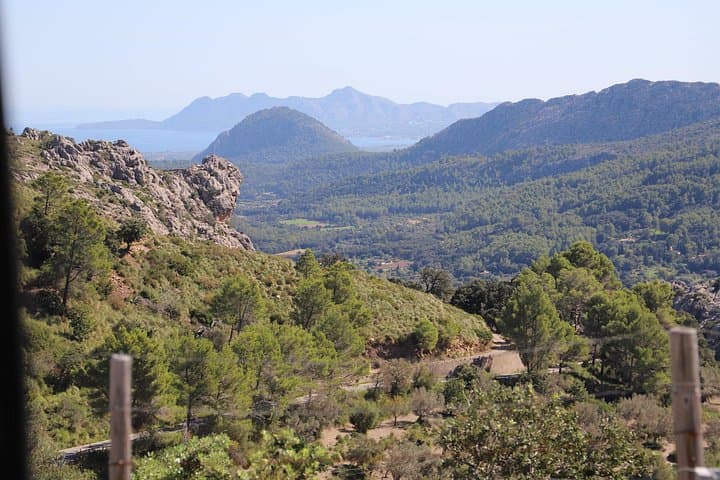
Pollensa’s history is visible in its Roman foundations and medieval grid; the town’s most visible ritual is the Calvary climb—365 stone steps that ascend to a chapel and deliver a terse, panoramic view of the valley below. From town you’ll board an air-conditioned coach and wind into the Serra de Tramuntana, a limestone spine shaped by tectonics and centuries of terracing.
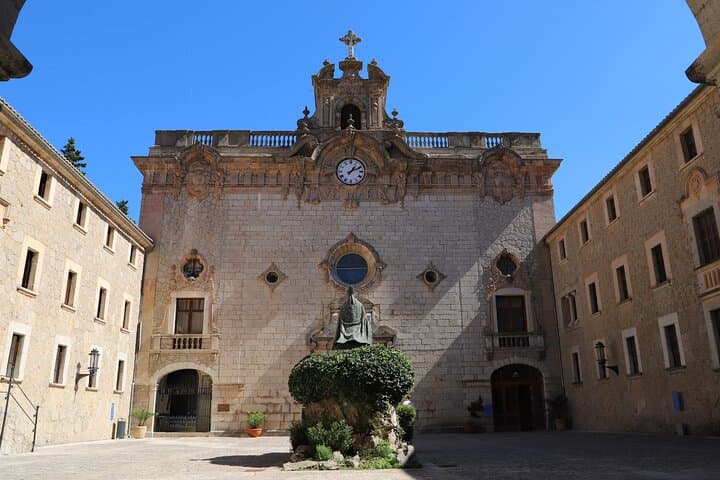
At 400 meters elevation, Lluc Monastery sits in a folded valley that’s been a pilgrimage site since the Middle Ages. The basilica’s simple cloister, the carved image of the Virgin of Lluc, and the herb-scented gardens offer a quiet counterpoint to Pollensa’s market energy. Guides usually point out the region’s olive oil tradition and the island’s UNESCO-listed Tramuntana cultural landscape as you drive through Caimari and Inca on the return.
Practical guidance: wear sturdy walking shoes for cobbled streets and the Calvary steps, bring a refillable water bottle and sun protection, and pack a light layer—the monastery valley can be cooler than the coast. Respect quiet areas in the monastery; certain rooms restrict photography. The full loop, including market time and Lluc, runs about 5–6 hours with photo stops and transport time included, making it an accessible half-day immersion into Mallorca’s mountain towns and spiritual history.
easy.
5–6 hours.
Light walking ability; able to climb a flight of stairs and stand during commentary.
This shared tour typically starts from the operator’s meeting point in Pollensa; the itinerary includes coach transfers but confirm your pickup point at booking.
The transport used is wheelchair accessible, but the Calvary steps and some monastery areas have stairs and uneven surfaces that may limit access.
No—snacks and meals are not included; there will be time at the market to buy local treats and cafés near Lluc for drinks.
Photography is allowed in many exterior and public courtyard areas, but certain chapel interiors may restrict flash or photography; please follow posted signs and guide instructions.
Pollensa grew from Roman and medieval roots; Lluc became Mallorca’s main pilgrimage site in the Middle Ages and houses the island’s revered Black Madonna statue.
The Serra de Tramuntana is a UNESCO Cultural Landscape—stay on paths, avoid trampling terraces, and support local producers to help preserve the rural economy.
Nofrills Excursions operates guided outdoor trips and adventures with an emphasis on safety, stewardship, and memorable experiences.
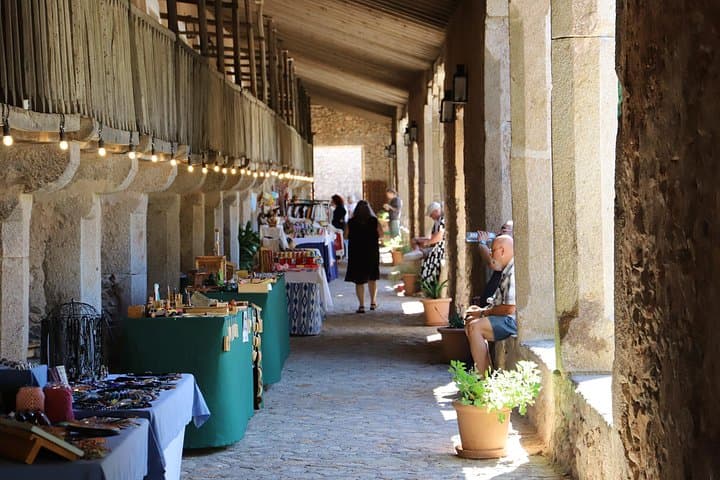
You step off the bus into the wide, sunlit square of Pollensa and the market’s chatter grabs you—vendors calling, olives gleaming, and baskets of fresh produce lined like small altars. The guide steers you through narrow stone streets where shutters still carry hand-painted house numbers and the scent of frying ensaimadas drifts from a bakery.
You step off the bus into the wide, sunlit square of Pollensa and the market’s chatter grabs you—vendors calling, olives gleaming, and baskets of fresh produce lined like small altars. The guide steers you through narrow stone streets where shutters still carry hand-painted house numbers and the scent of frying ensaimadas drifts from a bakery.
Pollensa’s history is visible in its Roman foundations and medieval grid; the town’s most visible ritual is the Calvary climb—365 stone steps that ascend to a chapel and deliver a terse, panoramic view of the valley below. From town you’ll board an air-conditioned coach and wind into the Serra de Tramuntana, a limestone spine shaped by tectonics and centuries of terracing.
At 400 meters elevation, Lluc Monastery sits in a folded valley that’s been a pilgrimage site since the Middle Ages. The basilica’s simple cloister, the carved image of the Virgin of Lluc, and the herb-scented gardens offer a quiet counterpoint to Pollensa’s market energy. Guides usually point out the region’s olive oil tradition and the island’s UNESCO-listed Tramuntana cultural landscape as you drive through Caimari and Inca on the return.
Practical guidance: wear sturdy walking shoes for cobbled streets and the Calvary steps, bring a refillable water bottle and sun protection, and pack a light layer—the monastery valley can be cooler than the coast. Respect quiet areas in the monastery; certain rooms restrict photography. The full loop, including market time and Lluc, runs about 5–6 hours with photo stops and transport time included, making it an accessible half-day immersion into Mallorca’s mountain towns and spiritual history.