THE ADVENTURE COLLECTIVE® · Independent discovery and booking for outdoor travel

Spend 1–2 hours at Polkura, a small Marchigüe vineyard in Colchagua Valley, tasting four focused wines and a small local pairing. This intimate tour emphasizes Syrah and small-lot vinifications in a coastal-influenced terroir.
Spend 1–2 hours at Polkura, a small Marchigüe vineyard in Colchagua Valley, tasting four focused wines and a small local pairing. This intimate tour emphasizes Syrah and small-lot vinifications in a coastal-influenced terroir.
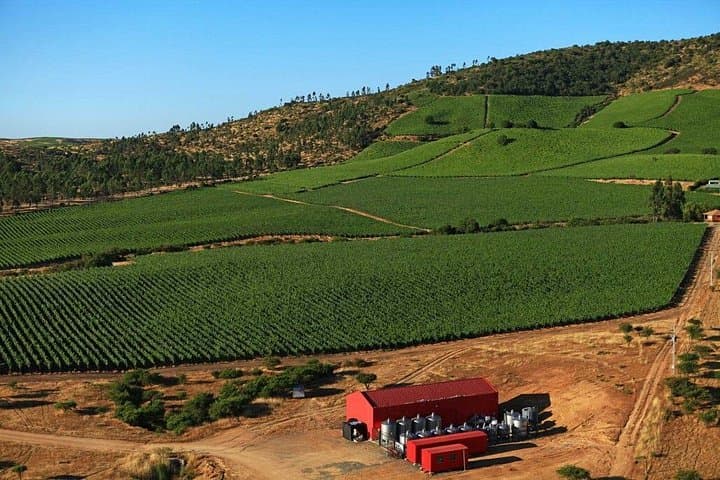
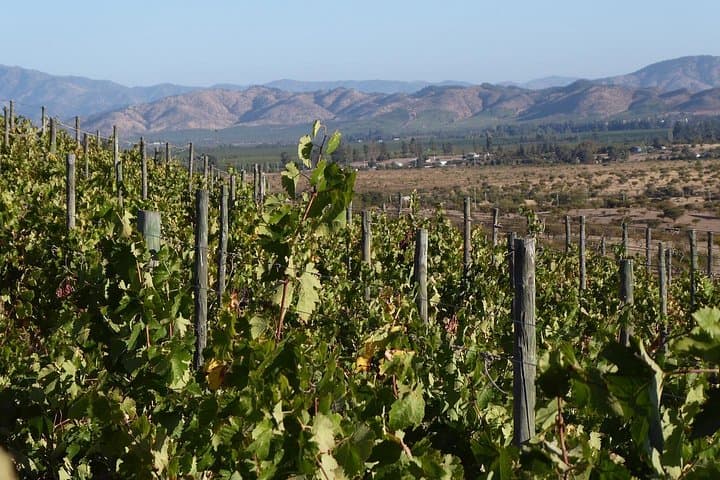
A late-afternoon sun slides along rows of Syrah and GSM at Polkura, where salty Pacific breezes still reach vines planted a short drive from the coast. You arrive on a compact property outside Marchigüe, stepping off parched dirt into a small cellar where wood, steel and glass frame bottles maturing at human scale. The guide leads you past trellises and into a shaded tasting room; the air carries the grape skins’ tannic promise and a faint ocean scent daring you to compare coastal-grown structure with inland warmth.
Verified experiences and guided adventures in the surrounding area.
Operated by Polkura Syrah, Colchagua · Marchigüe, O'Higgins
A late-afternoon sun slides along rows of Syrah and GSM at Polkura, where salty Pacific breezes still reach vines planted a short drive from the coast. You arrive on a compact property outside Marchigüe, stepping off parched dirt into a small cellar where wood, steel and glass frame bottles maturing at human scale. The guide leads you past trellises and into a shaded tasting room; the air carries the grape skins’ tannic promise and a faint ocean scent daring you to compare coastal-grown structure with inland warmth.
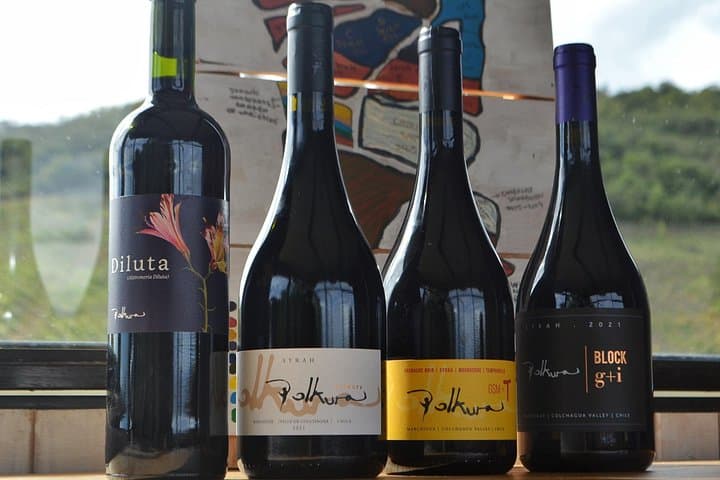
Colchagua Valley has been a serious winemaking region since the 19th century and surged in international reputation during the late 20th century, favoring robust reds—Syrah among them. Geologically, the area sits on alluvial soils with coastal influence that moderates summer heat; Marchigüe itself is low elevation and receives maritime breezes that shape acid and aromatic balance. Locally, small producers like Polkura emphasize parcel-driven fermentation and limited-production lots—expect names such as Polkura Diluta, Polkura Syrah, GSM+T and Block G+I Syrah during the tasting.
Practical side: the experience runs about 60–120 minutes in a small shared group (max six), and includes a light pairing of olives, cheese or crackers. Wear sturdy shoes for uneven ground, bring sun protection and a lightweight layer for coastal gusts. Note the tour isn’t recommended for pregnant travelers or those with serious spinal or cardiovascular issues. If you want to buy bottles, ask at the end; small vintners often sell direct. Aim for a late-afternoon slot when light softens the rows and tannins open in glass.
easy.
1–2 hours.
Suitable for most fitness levels; requires standing and short walks on uneven ground.
The tour includes a tasting of four Polkura wines, typically including Diluta, Syrah, a GSM blend plus Block G+I Syrah.
Transportation is not listed as included—arrange private transport or local transfer to Marchigüe; confirm pickup options with the operator.
Many small producers sell bottles on site—ask the host during or after the tasting about availability and shipping options.
The visit is geared to adults; infants are allowed but must sit on a lap, and tastings are intended for guests of legal drinking age.
Colchagua Valley developed as a prominent Chilean wine region in the 19th century and gained international attention in the late 20th century for robust reds and boutique estates.
Small vineyards in the region often practice measured irrigation and parcel-based farming to conserve water and maintain soil health amid central Chile’s dry climate.
Polkura Syrah, Colchagua operates guided outdoor trips and adventures with an emphasis on safety, stewardship, and memorable experiences.

A late-afternoon sun slides along rows of Syrah and GSM at Polkura, where salty Pacific breezes still reach vines planted a short drive from the coast. You arrive on a compact property outside Marchigüe, stepping off parched dirt into a small cellar where wood, steel and glass frame bottles maturing at human scale. The guide leads you past trellises and into a shaded tasting room; the air carries the grape skins’ tannic promise and a faint ocean scent daring you to compare coastal-grown structure with inland warmth.
A late-afternoon sun slides along rows of Syrah and GSM at Polkura, where salty Pacific breezes still reach vines planted a short drive from the coast. You arrive on a compact property outside Marchigüe, stepping off parched dirt into a small cellar where wood, steel and glass frame bottles maturing at human scale. The guide leads you past trellises and into a shaded tasting room; the air carries the grape skins’ tannic promise and a faint ocean scent daring you to compare coastal-grown structure with inland warmth.
Colchagua Valley has been a serious winemaking region since the 19th century and surged in international reputation during the late 20th century, favoring robust reds—Syrah among them. Geologically, the area sits on alluvial soils with coastal influence that moderates summer heat; Marchigüe itself is low elevation and receives maritime breezes that shape acid and aromatic balance. Locally, small producers like Polkura emphasize parcel-driven fermentation and limited-production lots—expect names such as Polkura Diluta, Polkura Syrah, GSM+T and Block G+I Syrah during the tasting.
Practical side: the experience runs about 60–120 minutes in a small shared group (max six), and includes a light pairing of olives, cheese or crackers. Wear sturdy shoes for uneven ground, bring sun protection and a lightweight layer for coastal gusts. Note the tour isn’t recommended for pregnant travelers or those with serious spinal or cardiovascular issues. If you want to buy bottles, ask at the end; small vintners often sell direct. Aim for a late-afternoon slot when light softens the rows and tannins open in glass.