THE ADVENTURE COLLECTIVE® · Independent discovery and booking for outdoor travel

Walk Polignano a Mare’s historic alleys, shop at local markets, then learn to make orecchiette and focaccia in a family kitchen. Expect a three-hour, small-group experience that pairs hands-on cooking with Apulian wine.
Walk Polignano a Mare’s historic alleys, shop at local markets, then learn to make orecchiette and focaccia in a family kitchen. Expect a three-hour, small-group experience that pairs hands-on cooking with Apulian wine.
You step from a narrow, sun-warmed alley into a piazza where laundry snaps in the sea breeze and the Adriatic presses bright against the town’s limestone edge. In Polignano a Mare the day begins with footsteps over ancient stone and the call of market vendors offering tomatoes still warm from the campo.
Verified experiences and guided adventures in the surrounding area.
Operated by Cesarine: Cooking Class · Polignano a Mare, Puglia
You step from a narrow, sun-warmed alley into a piazza where laundry snaps in the sea breeze and the Adriatic presses bright against the town’s limestone edge. In Polignano a Mare the day begins with footsteps over ancient stone and the call of market vendors offering tomatoes still warm from the campo.
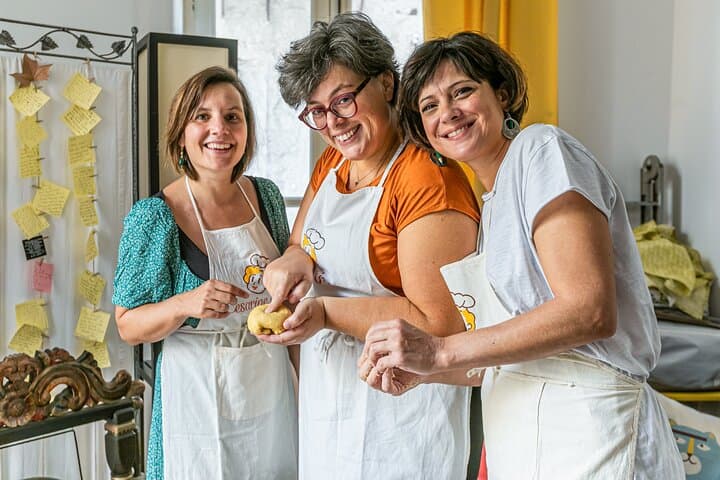
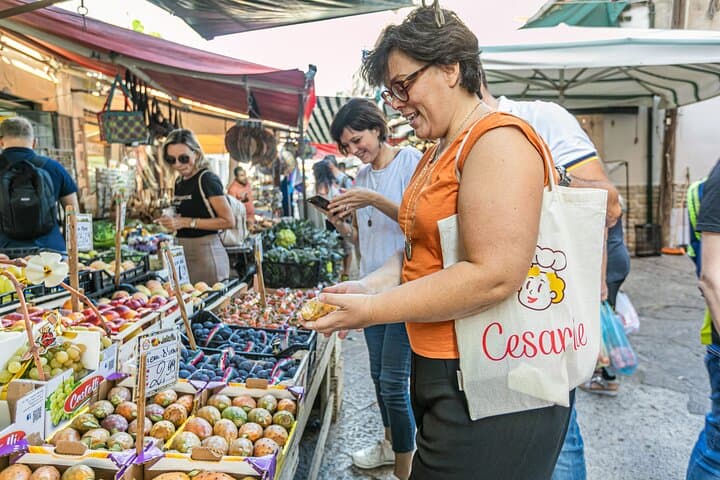
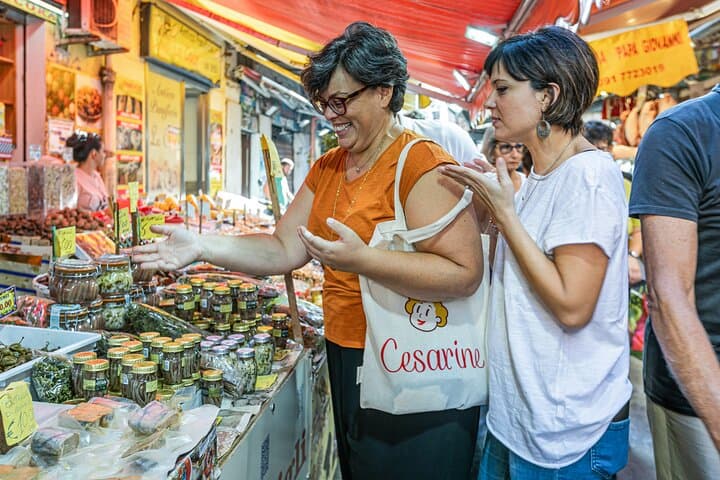
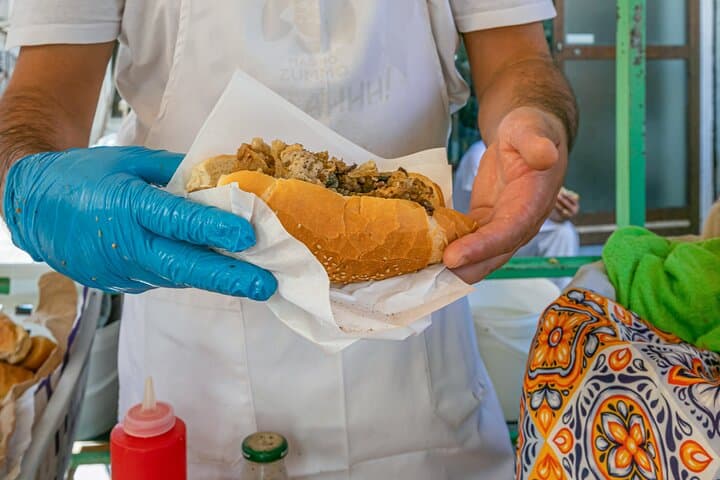
Polignano sits on karst cliffs carved by the Adriatic; its streets map layers of Roman, Medieval and Venetian influence. Food here is a cultural language — durum wheat, olive oil, red tomatoes and the shaped orecchiette that define Puglia. The walking portion guides you through neighborhood markets and family-run food shops where sellers explain provenance and seasonality. The class moves to a private home kitchen: expect hands-on instruction in making orecchiette or focaccia barese, simple seafood preparations when available, and finishing the meal with a glass or two of regional wine.
Practical notes: the tour runs about three hours and involves cobbled streets plus standing during cooking. Small groups and a home setting make the experience intimate — bring dietary notes in advance. Comfortable shoes matter; markets can be crowded and steps are steep. Water, sun protection and a light layer for coastal breezes will keep the focus on learning rather than discomfort.
This blend of street-level food culture and practical kitchen technique gives both a literal taste of Puglia and durable skills to recreate it at home. Arrive hungry and curious; you’ll leave with recipes, a fuller palate, and a clearer sense of why Puglian cuisine is so closely tied to place.
moderate.
3 hours.
Suitable for travelers who can stand and walk short distances on uneven surfaces; moderate stamina for active cooking.
Meeting is typically in Polignano a Mare’s historic center; exact meeting point is provided on booking confirmation and is near a central piazza accessible by foot from nearby parking or public transit.
Yes—hosts can usually adapt recipes for common allergies or preferences if informed at booking; specify details in the special requirements field.
Groups are small—up to about 12 travelers—so the cooking portion occurs in a family kitchen with hands-on participation.
Bring comfortable shoes, any necessary medications, and a small day bag; recipes and wine are provided but personal items like cameras or notebooks are recommended.
Polignano a Mare grew on limestone cliffs with roots in Roman and Medieval trade; its coastal position shaped both its architecture and seafood traditions.
Support hosts who use local, seasonal ingredients and minimize single-use plastics; respect tide pools and fishing areas to protect coastal biodiversity.
Cesarine: Cooking Class operates guided outdoor trips and adventures with an emphasis on safety, stewardship, and memorable experiences.
You step from a narrow, sun-warmed alley into a piazza where laundry snaps in the sea breeze and the Adriatic presses bright against the town’s limestone edge. In Polignano a Mare the day begins with footsteps over ancient stone and the call of market vendors offering tomatoes still warm from the campo.
You step from a narrow, sun-warmed alley into a piazza where laundry snaps in the sea breeze and the Adriatic presses bright against the town’s limestone edge. In Polignano a Mare the day begins with footsteps over ancient stone and the call of market vendors offering tomatoes still warm from the campo.
Polignano sits on karst cliffs carved by the Adriatic; its streets map layers of Roman, Medieval and Venetian influence. Food here is a cultural language — durum wheat, olive oil, red tomatoes and the shaped orecchiette that define Puglia. The walking portion guides you through neighborhood markets and family-run food shops where sellers explain provenance and seasonality. The class moves to a private home kitchen: expect hands-on instruction in making orecchiette or focaccia barese, simple seafood preparations when available, and finishing the meal with a glass or two of regional wine.
Practical notes: the tour runs about three hours and involves cobbled streets plus standing during cooking. Small groups and a home setting make the experience intimate — bring dietary notes in advance. Comfortable shoes matter; markets can be crowded and steps are steep. Water, sun protection and a light layer for coastal breezes will keep the focus on learning rather than discomfort.
This blend of street-level food culture and practical kitchen technique gives both a literal taste of Puglia and durable skills to recreate it at home. Arrive hungry and curious; you’ll leave with recipes, a fuller palate, and a clearer sense of why Puglian cuisine is so closely tied to place.