THE ADVENTURE COLLECTIVE® · Independent discovery and booking for outdoor travel

Slide into a restored Fiat 500 and let Rome unfold like a strip of instant film. This private 75-minute drive threads the city’s icons and secret corners—Colosseum to Aventine—perfect for photo-focused travelers.
Slide into a restored Fiat 500 and let Rome unfold like a strip of instant film. This private 75-minute drive threads the city’s icons and secret corners—Colosseum to Aventine—perfect for photo-focused travelers.
The engine purrs like a small animal as the Fiat 500 eases onto cobbled alleys, roof down and camera ready. Sunlight skips off travertine facades, the Roman breeze daring you to slow down; within minutes the Colosseum appears, enormous and weathered, a frame for a dozen quick Polaroids before the car threads toward Aventine’s quieter heights.
Verified experiences and guided adventures in the surrounding area.
Operated by Rome golf cart tours · Rome, Lazio
The engine purrs like a small animal as the Fiat 500 eases onto cobbled alleys, roof down and camera ready. Sunlight skips off travertine facades, the Roman breeze daring you to slow down; within minutes the Colosseum appears, enormous and weathered, a frame for a dozen quick Polaroids before the car threads toward Aventine’s quieter heights.
This compact drive stitches together Rome’s layers—ancient empire, Baroque flourish, 20th-century city life—around a microcar that became postwar Italy’s icon. The route typically covers central historic sites: Colosseum, Circo Massimo, Aventine Hill and its Keyhole, the Orange Garden, Terrazza del Gianicolo and the Pyramid of Cestius. Expect roughly 8–12 km of urban driving with short, flat climbs to hilltop viewpoints (Aventine ~50 m, Gianicolo ~80 m).
Geology here is visible in building stone: tufa and travertine quarried from nearby hills, volcanic deposits from the Alban Hills shaped the city’s footprint. Culture is tactile—espresso stops, market chatter, scooters weaving—and the car’s small scale fits Rome’s narrow streets better than larger tour buses.
Practical guidance: book a morning or late-afternoon slot for softer light and lighter traffic; be mindful of ZTL (restricted driving) zones and carry a valid driver’s license. Cobblestones demand attentive driving and reduced speed. Pack sunscreen, a power bank for photos and comfortable shoes for short walks at stopping points. This is a private, flexible experience—pause for an espresso, frame the Keyhole, and let a rescued classic car turn a city run into a curated, camera-ready hour in Rome.
easy.
1–1.5 hours.
Minimal physical exertion required; participants should be able to walk short distances (200–500 m) at stops.
No special permit is required for tourists with a valid license if the tour operator registers the vehicle for entry; confirm with the operator about ZTL areas before booking.
Inclusions vary by provider—check booking details; many private tours include fuel and basic insurance but confirm liability and excess terms.
Private format allows flexibility—most operators will accommodate reasonable changes within the scheduled time, weather and traffic permitting.
Child seat availability depends on the operator—request one at booking to ensure compliance with Italian child-safety regulations.
The Fiat 500 symbolizes post‑war Italian mobility and style; driving it through Rome connects 20th-century social history with ancient urban fabric.
Rome enforces ZTLs and low‑emission zones to reduce congestion and pollution—minimize idling, respect pedestrian areas, and follow local parking rules.
Rome golf cart tours operates guided outdoor trips and adventures with an emphasis on safety, stewardship, and memorable experiences.
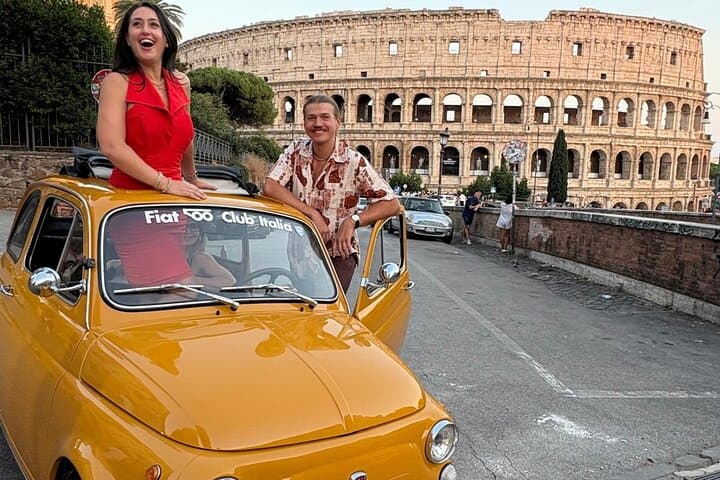
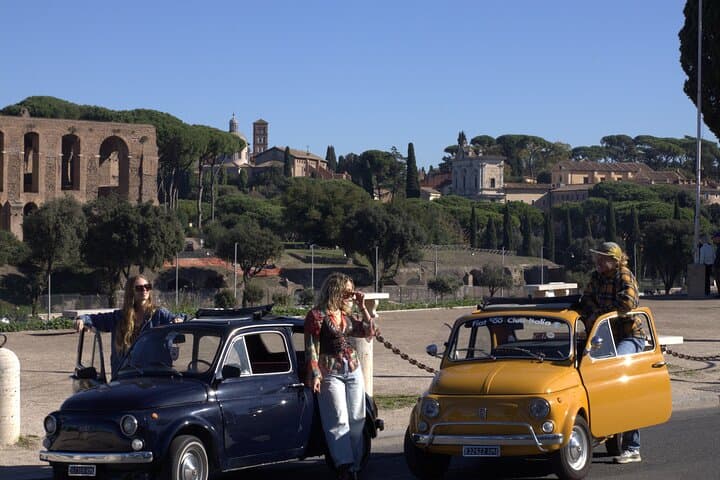
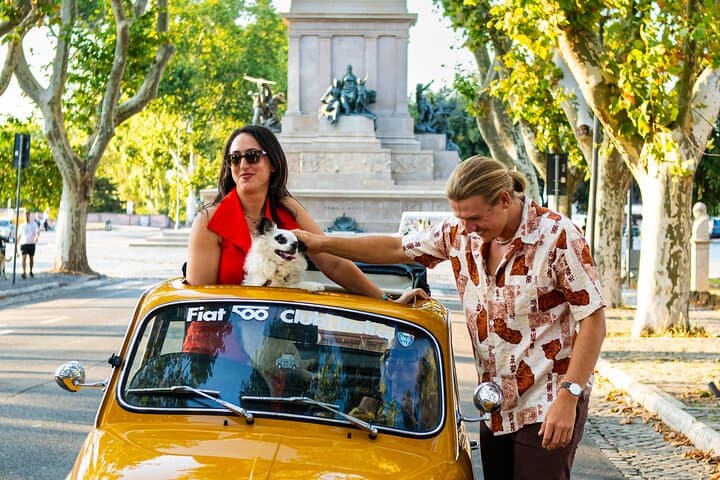
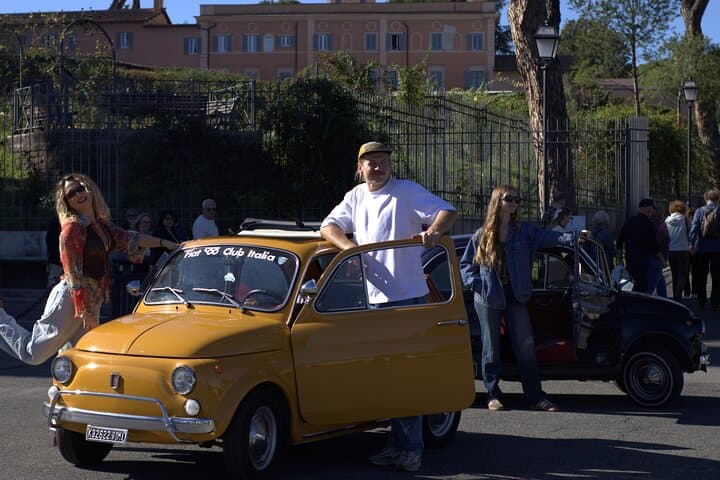
The engine purrs like a small animal as the Fiat 500 eases onto cobbled alleys, roof down and camera ready. Sunlight skips off travertine facades, the Roman breeze daring you to slow down; within minutes the Colosseum appears, enormous and weathered, a frame for a dozen quick Polaroids before the car threads toward Aventine’s quieter heights.
The engine purrs like a small animal as the Fiat 500 eases onto cobbled alleys, roof down and camera ready. Sunlight skips off travertine facades, the Roman breeze daring you to slow down; within minutes the Colosseum appears, enormous and weathered, a frame for a dozen quick Polaroids before the car threads toward Aventine’s quieter heights.
This compact drive stitches together Rome’s layers—ancient empire, Baroque flourish, 20th-century city life—around a microcar that became postwar Italy’s icon. The route typically covers central historic sites: Colosseum, Circo Massimo, Aventine Hill and its Keyhole, the Orange Garden, Terrazza del Gianicolo and the Pyramid of Cestius. Expect roughly 8–12 km of urban driving with short, flat climbs to hilltop viewpoints (Aventine ~50 m, Gianicolo ~80 m).
Geology here is visible in building stone: tufa and travertine quarried from nearby hills, volcanic deposits from the Alban Hills shaped the city’s footprint. Culture is tactile—espresso stops, market chatter, scooters weaving—and the car’s small scale fits Rome’s narrow streets better than larger tour buses.
Practical guidance: book a morning or late-afternoon slot for softer light and lighter traffic; be mindful of ZTL (restricted driving) zones and carry a valid driver’s license. Cobblestones demand attentive driving and reduced speed. Pack sunscreen, a power bank for photos and comfortable shoes for short walks at stopping points. This is a private, flexible experience—pause for an espresso, frame the Keyhole, and let a rescued classic car turn a city run into a curated, camera-ready hour in Rome.