THE ADVENTURE COLLECTIVE® · Independent discovery and booking for outdoor travel

A full-day scenic loop from Pokhara that pairs a Sarangkot sunrise with ridge-top views at the World Peace Stupa and a lakeside stop at Begnas. Expect a 7–8 hour private drive with short walks, excellent photo opportunities, and a mixture of paved and narrow rural roads.
A full-day scenic loop from Pokhara that pairs a Sarangkot sunrise with ridge-top views at the World Peace Stupa and a lakeside stop at Begnas. Expect a 7–8 hour private drive with short walks, excellent photo opportunities, and a mixture of paved and narrow rural roads.
Morning light spills over the Annapurna range as your vehicle curls up the green ridgeline above Pokhara, and the valley opens like a map you can walk into. The drive moves between planted terraces, roadside tea shops and sudden pullouts where the Himalaya assert themselves in white. Sarangkot’s viewpoint is the high point — a compact climb from the road rewards you with a classic sunrise over Annapurna and fishtail peaks — and the World Peace Stupa offers a quieter, windswept panorama across Phewa and the valley.
Verified experiences and guided adventures in the surrounding area.
Operated by Swami Narayan Travels Pvt Ltd · Pokhara, Gandaki Province
Morning light spills over the Annapurna range as your vehicle curls up the green ridgeline above Pokhara, and the valley opens like a map you can walk into. The drive moves between planted terraces, roadside tea shops and sudden pullouts where the Himalaya assert themselves in white. Sarangkot’s viewpoint is the high point — a compact climb from the road rewards you with a classic sunrise over Annapurna and fishtail peaks — and the World Peace Stupa offers a quieter, windswept panorama across Phewa and the valley.
This route threads modern Pokhara history — a lakeside town that grew with tourism and trekking — with older rural patterns: stone terraces, small hamlets, and Buddhist prayer flags at hilltop stupas. Geologically, the drive follows foothills carved from weathered sedimentary and metamorphic rocks; rain channels visible in gullies and the broad basin of Pokhara reflect the forces that shaped the landscape. Cultural touches are immediate: farmers, temples, and teahouses that fuel a day of short stops.
Practical guidance: plan a full day (7–8 hours) for relaxed photography and short walks; roads are paved and narrow with occasional gravel stretches. Wear sturdy shoes for viewpoint approaches, bring layered clothing for temperature swings between the valley and ridge, and carry water — mountain sun can be strong. Expect light traffic at sunrise and more local vehicles later; a private vehicle and driver maximize flexibility for stops at Sarangkot, World Peace Stupa and Begnas Lake.
easy.
7–8 hours.
Minimal fitness required—short walks at viewpoints and flat lakeside strolls; suitable for most travelers.
The full experience is a full day—about 7–8 hours—allowing time for multiple viewpoints, a sunrise stop, and lakeside visits.
A private vehicle with a local driver is recommended for flexibility and comfort on narrow rural roads and timed sunrise stops.
Yes—Sarangkot is a classic vantage for sunrise views over the Annapurna range when visibility is good, especially in autumn and winter.
Yes—expect short walks (5–20 minutes) from parking to viewpoints like Sarangkot and the World Peace Stupa; paths may be uneven.
Pokhara grew as a trade and pilgrimage crossroads and later as a gateway for Annapurna trekking; hilltop stupas reflect local Buddhist practice and offer cultural viewpoints.
Drive responsibly: keep to roads and parking areas, avoid littering at viewpoints, and support local businesses to benefit communities that steward the landscape.
Swami Narayan Travels Pvt Ltd operates guided outdoor trips and adventures with an emphasis on safety, stewardship, and memorable experiences.
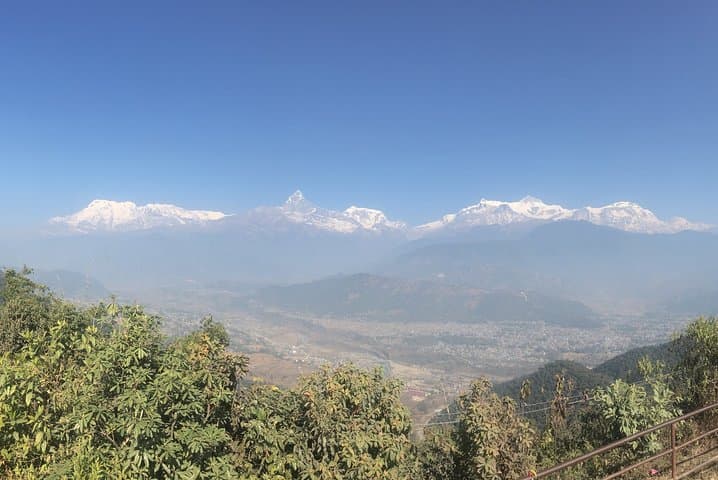
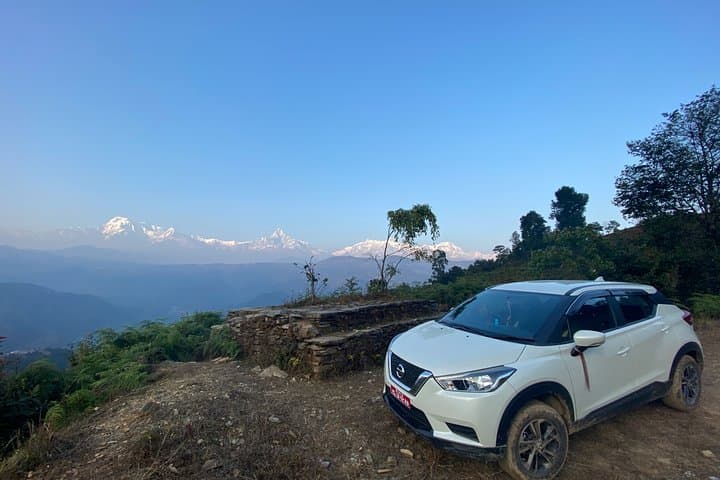
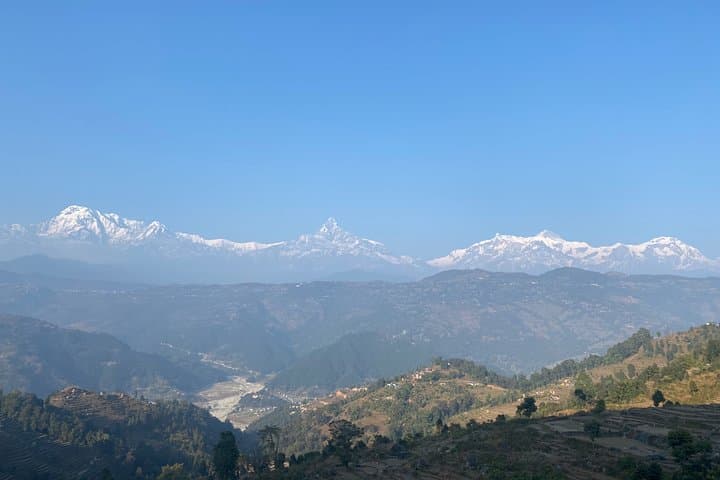
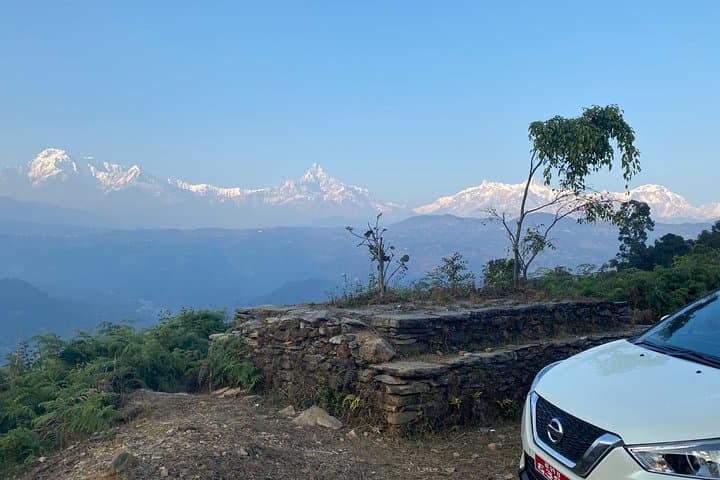
Morning light spills over the Annapurna range as your vehicle curls up the green ridgeline above Pokhara, and the valley opens like a map you can walk into. The drive moves between planted terraces, roadside tea shops and sudden pullouts where the Himalaya assert themselves in white. Sarangkot’s viewpoint is the high point — a compact climb from the road rewards you with a classic sunrise over Annapurna and fishtail peaks — and the World Peace Stupa offers a quieter, windswept panorama across Phewa and the valley.
Morning light spills over the Annapurna range as your vehicle curls up the green ridgeline above Pokhara, and the valley opens like a map you can walk into. The drive moves between planted terraces, roadside tea shops and sudden pullouts where the Himalaya assert themselves in white. Sarangkot’s viewpoint is the high point — a compact climb from the road rewards you with a classic sunrise over Annapurna and fishtail peaks — and the World Peace Stupa offers a quieter, windswept panorama across Phewa and the valley.
This route threads modern Pokhara history — a lakeside town that grew with tourism and trekking — with older rural patterns: stone terraces, small hamlets, and Buddhist prayer flags at hilltop stupas. Geologically, the drive follows foothills carved from weathered sedimentary and metamorphic rocks; rain channels visible in gullies and the broad basin of Pokhara reflect the forces that shaped the landscape. Cultural touches are immediate: farmers, temples, and teahouses that fuel a day of short stops.
Practical guidance: plan a full day (7–8 hours) for relaxed photography and short walks; roads are paved and narrow with occasional gravel stretches. Wear sturdy shoes for viewpoint approaches, bring layered clothing for temperature swings between the valley and ridge, and carry water — mountain sun can be strong. Expect light traffic at sunrise and more local vehicles later; a private vehicle and driver maximize flexibility for stops at Sarangkot, World Peace Stupa and Begnas Lake.